What Nobody Tells You About Adopting a Rescue Dog (The Honest Truth)

The hopeful gaze of a rescue dog - where vulnerability meets resilience at the start of your journey
The Brutal Truth About Adopting a Rescue Dog: 11 Facts Nobody Tells You
Rescue dog adoption is often romanticized on social media as a perfect fairy tale, but the reality involves unspoken challenges, emotional rollercoasters, and profound rewards. This article reveals the unfiltered truth about rescue dog adoption, helping you make an informed decision and prepare thoroughly for the journey ahead.
"Adopting a rescue dog isn't like bringing home a puppy. It's a journey of healing broken hearts and rebuilding trust - heartbreakingly difficult and incredibly beautiful at the same time."
— Maria Thompson, Rescue Dog Behavior Rehabilitation Specialist, 15 years experience
Truth 1: The Real Test Comes After the Honeymoon Period
| Phase | Duration | Typical Behavior | Common Challenges | Coping Strategies |
|---|---|---|---|---|
| Honeymoon Phase | Days 1-14 | Quiet, withdrawn, "perfect" behavior | False sense of security | Establish routines immediately |
| Testing Boundaries | Weeks 3-8 | Anxiety emerges, testing limits | Destructive behavior, accidents | Consistent training, patience |
| Adjustment Period | Months 2-6 | True personality emerges | Separation anxiety, fear triggers | Professional help if needed |
| Bonding Phase | 6+ months | Deep trust develops | May regress occasionally | Celebrate small victories |
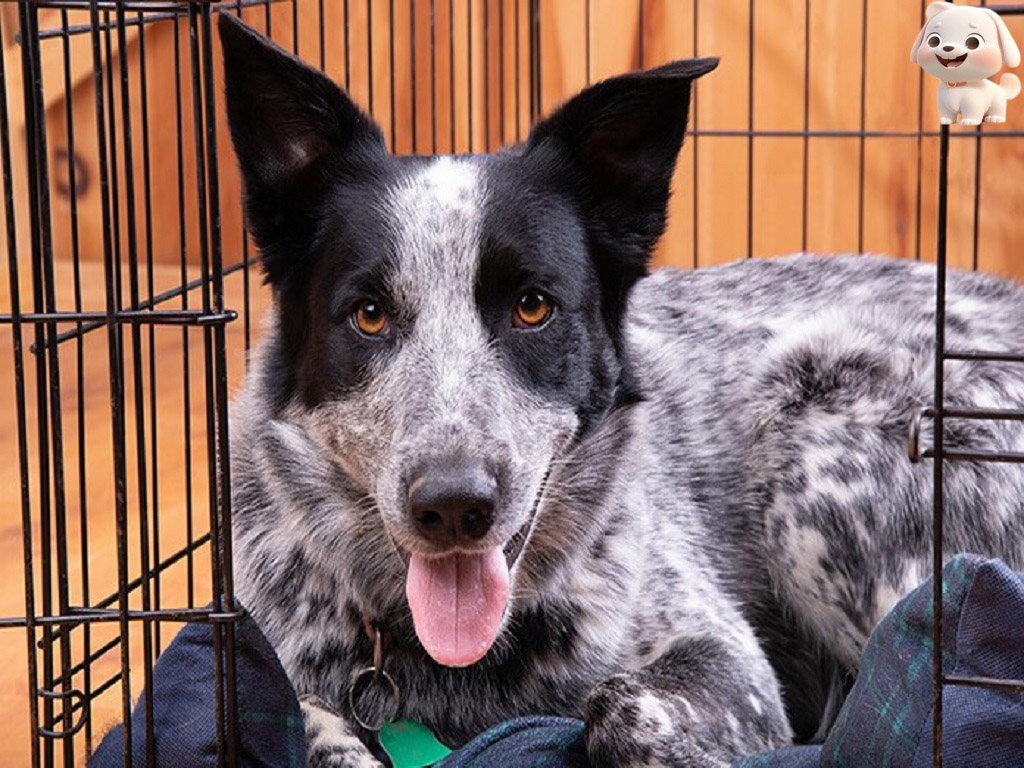
Typical timeline of rescue dog adjustment - the honeymoon period usually lasts only 2-4 weeks
Truth 2: You're Inheriting Someone Else's Problems (And Trauma)
Common Trauma Indicators:
- Fear of men/brooms/cars: Specific phobias indicating past abuse
- Resource guarding: Food aggression from starvation history
- Submissive urination: Learned response to punishment
- Flight response: Bolting at loud noises
- Hyper-vigilance: Never truly resting, always on alert
Rehabilitation Timeline:
- Physical healing: 1-3 months for medical issues
- Basic trust: 3-6 months for anxious dogs
- Behavior modification: 6-12 months for severe trauma
- Complete adjustment: 1-2 years for deeply affected dogs
- Important: Some issues may never fully disappear

Trauma responses in rescue dogs - understanding triggers is crucial for rehabilitation
Truth 3: The Adoption Process Is More Invasive Than You Expect
| Screening Step | What It Involves | Why Rescues Do This | How to Prepare | Rejection Rates |
|---|---|---|---|---|
| Application Form | 10-20 page questionnaire | Filter unsuitable applicants | Be honest, detailed | 30% at this stage |
| Home Visit | Volunteer inspects your home | Ensure safe environment | Dog-proof, clean, safe yard | 15% at this stage |
| Reference Checks | Vet, personal references | Verify responsible ownership | Warn references in advance | 10% at this stage |
| Meet & Greet | Multiple meetings with dog | Assess compatibility | Bring family, other pets | 20% at this stage |
| Trial Period | 2-4 week foster-to-adopt | Final compatibility test | Prepare for adjustment | 5% at this stage |

The comprehensive rescue adoption screening process - designed to ensure perfect matches
Truth 4: Hidden Medical Costs Are Almost Guaranteed
Common Undisclosed Medical Issues:
- Dental disease: $300-800 for extractions
- Ear infections: Chronic issues requiring lifelong care
- Allergies: Food/environmental, $100+/month for medication
- Orthopedic problems: Early arthritis, hip dysplasia
- Parasites: Heartworm treatment can cost $1,000+
First Year Budget Realities:
- Adoption fee: $250-500
- Initial vet visit: $200-400
- Unexpected medical: $500-2,000 (very common)
- Training/behaviorist: $500-3,000 if needed
- Supplies/gear: $300-800
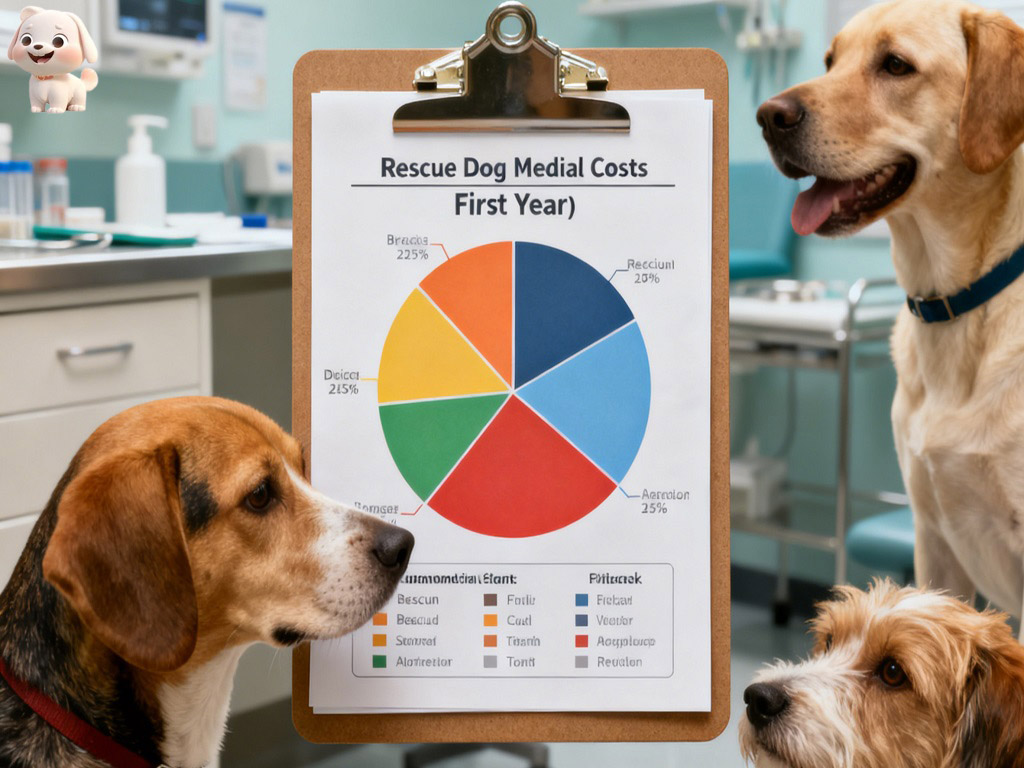
Average first-year costs for a rescue dog often exceed $3,000
Insurance Considerations:
- Get insurance immediately: Pre-existing conditions won't be covered
- Read exclusions carefully: Many rescues have breed-specific exclusions
- Consider wellness plans: For routine care coverage
- Set aside emergency fund: $2,000 minimum recommended
- Budget for ongoing care: Chronic conditions mean lifetime expenses
- Most common insurance claims for rescues:
- Skin allergies: 35% of rescue dogs
- Ear infections: 28% require ongoing treatment
- Dental disease: 40% need dental work within first year
- Behavioral medications: 20% require anxiety medication
- Orthopedic issues: 25% show early joint problems
Truth 5: You May Never Know Their Real History
| Unknown Factor | Common Scenario | Impact on Dog | How to Cope | Success Rate |
|---|---|---|---|---|
| True Age | Estimated ± 2 years | Unexpected aging, health issues | Regular senior screenings | 85% adjust well regardless |
| Breed Mix | Visual guess often wrong | Unexpected size, temperament | DNA test if curious | 70% surprise owners |
| Trauma History | Often undisclosed or unknown | Sudden fear triggers emerge | Professional behaviorist | 60% fully overcome with time |
| Training History | May know commands you don't use | Communication barriers | Try different command words | 90% learn new commands |
| Previous Name | May respond to unknown name | Slow to learn new name | Use similar-sounding name | 95% adapt within weeks |

The mystery of rescue dogs - often, significant parts of their history remain unknown
Truth 6: Other Pets May NOT Welcome the Newcomer
Introduction Protocol:
- Neutral territory first: Park, not home
- Parallel walking: Walk together before face-to-face
- Separate spaces: Each pet needs own safe zone
- Supervised interaction: No unsupervised time initially
- Resource management: Separate feeding areas
Warning Signs of Trouble:
- Stiff body language: Frozen posture, staring
- Resource guarding: Food, toys, beds, or people
- Excessive hiding: One pet avoids common areas
- Marking territory: Indoor accidents by resident pet
- Changes in appetite: Stress affects eating habits
Success Rates by Pet Type:
- Dog + Cat: 65% eventually peaceful coexistence
- Dog + Resident Dog: 75% become friends
- Multiple rescue dogs: 60% successful integration
- With small animals: 40% safe cohabitation
- Timeframe: 1-6 months for stable relationships
When to Seek Professional Help:
- Aggression lasting more than 2 weeks
- Injuries to any animal
- One pet stops eating/drinking
- Constant fear/avoidance behavior
- Your safety is compromised
Truth 7: The "Failed Foster" Phenomenon Is Real
| Stage of Attachment | Timeframe | Emotional Signs | Practical Considerations | Decision Factors |
|---|---|---|---|---|
| Initial Resistance | First 2 weeks | "This is temporary" mindset | Keep adoption paperwork handy | Financial readiness |
| Bonding Begins | Weeks 3-4 | Routine established, trust builds | Notice how dog fits your life | Compatibility with lifestyle |
| The Turning Point | Month 1-2 | Can't imagine them leaving | Assess long-term commitment | Emotional attachment vs logic |
| Failed Foster | Month 2+ | They're already "yours" | Formalize adoption | Worth disrupting foster system? |

The moment of surrender - when foster families realize they can't part with their temporary charge
Truth 8: Breed Labels Are Often Wrong (And Problematic)
Why Breed Guesses Are Inaccurate:
- Visual identification: Only 25% accurate
- Shelter pressure: Label for marketing/adoptability
- Mixed breed complexity: 3+ breeds common
- Phenotype vs genotype: Looks can deceive
- Bias: "Pit bull" label often misapplied
Consequences of Mislabeling:
- Breed restrictions: Housing, insurance limitations
- Unrealistic expectations: Wrong temperament assumptions
- Training challenges: Breed-specific methods may not work
- Health surprises: Unexpected breed-related conditions
- Social stigma: Discrimination based on label
DNA Testing Reality Check:
- Surprise results: 85% of owners discover unexpected breeds
- Health screening: Many tests include genetic disease markers
- Trait analysis: Predict size, coat type, potential health issues
- Relative finder: Some services connect genetic relatives
- Cost vs value: $80-200, worth it for many owners
- Most common shelter label inaccuracies:
- "Lab mix": Often contains no Labrador
- "Shepherd mix": Rarely pure German Shepherd
- "Terrier mix": Usually multiple breeds
- "Hound mix": Frequently mislabeled
- "Designer breed guesses": Often completely wrong
Truth 9: The Adjustment Period Affects YOUR Mental Health
| Mental Health Impact | Symptoms | Timeframe | Coping Strategies | Professional Help Needed When |
|---|---|---|---|---|
| Adoption Remorse | Regret, anxiety, "what have I done?" | Days 3-10 | Talk to other rescue owners, give it time | Lasts beyond 2 weeks |
| Caregiver Burnout | Exhaustion, frustration, resentment | Weeks 4-8 | Take breaks, hire help, join support groups | Affects daily functioning |
| Social Isolation | Can't leave dog alone, miss social events | Months 1-3 | Find pet-friendly activities, dog sitters | Leads to depression |
| Financial Stress | Unexpected costs cause anxiety | Anytime, especially first year | Budget, insurance, emergency fund | Causes significant debt |
| Relationship Strain | Arguments about dog care, training | First 6 months | Unified training approach, shared responsibilities | Threatens relationship stability |

The emotional journey affects both dog and owner - prepare for the mental health impact
Truth 10: Some Dogs Never Fully "Recover" - And That's OK
Realistic Expectations:
- Not every dog becomes "normal": Trauma leaves permanent marks
- Management vs cure: Some behaviors are managed, not fixed
- Progress, not perfection: Celebrate small improvements
- Adapt your lifestyle: May need to adjust expectations
- Quality of life matters: Happy doesn't always mean "fixed"
Signs of Successful Adaptation:
- Trust in family: Feels safe with you, even if fearful elsewhere
- Predictable routines: Understands household rhythms
- Safe expression: Can show fear/anxiety without aggression
- Bond formation: Seeks comfort from you when scared
- Good days outweigh bad: Overall trend is positive
Lifelong Management Strategies:
- Medication: Anti-anxiety drugs can dramatically improve quality of life
- Routine: Predictability reduces anxiety
- Safe spaces: Crate or room where dog feels secure
- Trigger avoidance: Manage environment to avoid known triggers
- Continued training: Lifelong reinforcement of positive behaviors
When to Accept Limitations:
- Dog is happy despite quirks
- No danger to self or others
- Good quality of life maintained
- You can manage the challenges
- Progress has plateaued but dog is content
Truth 11: The Reward Is Deeper Than You Can Imagine
| Reward Type | Description | When It Happens | Impact on Owner | Long-Term Value |
|---|---|---|---|---|
| First Trust Moment | Dog seeks comfort from you voluntarily | Weeks 2-12 | Profound emotional connection | Foundation of lifelong bond |
| Personality Emergence | True self starts to show | Months 2-6 | Discovery and delight | Relationship depth increases |
| Overcoming a Fear | Conquers a specific trigger | Months 3-12 | Pride and accomplishment | Builds confidence for both |
| Unconditional Love | Deep, grateful bond forms | 6+ months | Sense of purpose and meaning | Life-changing relationship |
| Seeing Transformation | Compare to early photos/behavior | 1+ year | Pride in your role in healing | Proof of resilience and love |
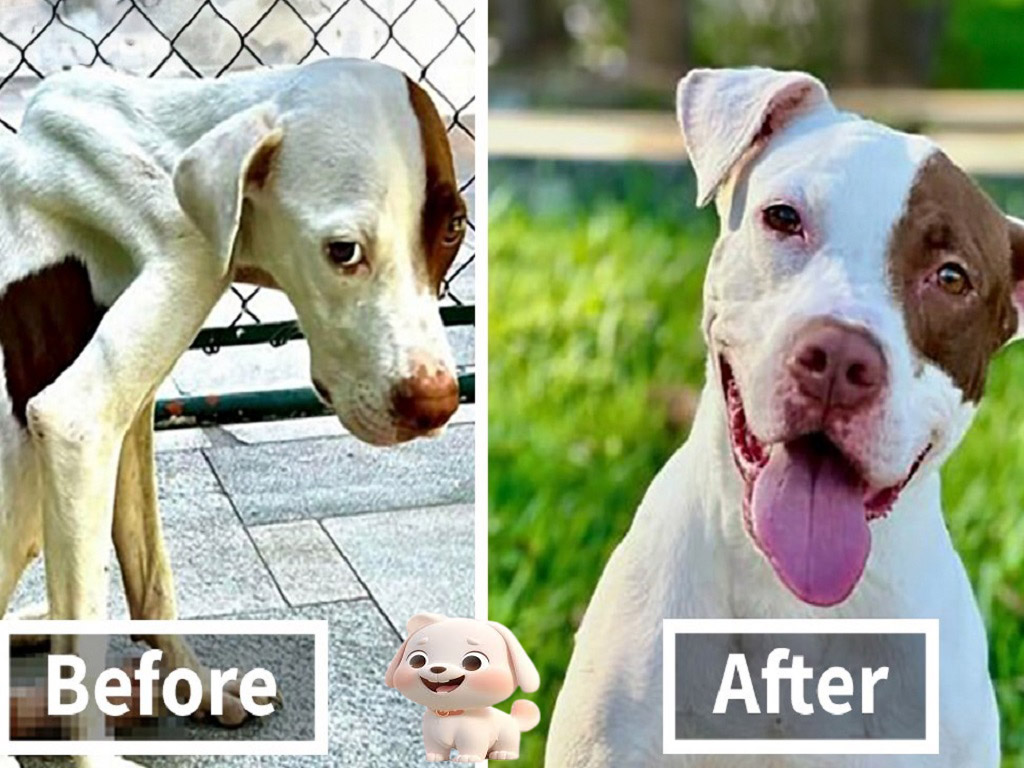
The transformation journey - from broken to beloved, the most rewarding experience imaginable
Practical Checklist Before You Adopt
Financial Preparation:
- ✓ $2,000 emergency vet fund
- ✓ Pet insurance researched/quoted
- ✓ Monthly budget for food/supplies ($100-300)
- ✓ Training budget ($500-2,000 if needed)
- ✓ Pet deposit for rental (if applicable)
Home Preparation:
- ✓ Secure fencing/containment system
- ✓ Dog-proofed home (chewables removed)
- ✓ Designated safe space (crate/room)
- ✓ Supplies ready (bed, bowls, leash, etc.)
- ✓ Veterinarian selected and contacted
Lifestyle Assessment:
- ✓ Work schedule allows for adjustment period
- ✓ Family/housemates all committed
- ✓ Other pets prepared/introduction plan
- ✓ Support system in place (help when needed)
- ✓ Realistic expectations about time commitment
Mental Preparation:
- ✓ Read about 3-3-3 rule (3 days, 3 weeks, 3 months)
- ✓ Joined local rescue support groups
- ✓ Identified trainers/behaviorists in advance
- ✓ Prepared for adoption remorse/common challenges
- ✓ Commitment to patience and consistency
Conclusion: The Unvarnished Truth Leads to Greater Success
Adopting a rescue dog with your eyes wide open to these truths doesn't diminish the beauty of the experience—it enhances it. When you know what to expect, you can prepare properly, respond effectively, and appreciate the journey more deeply.
The challenges are real, but so are the rewards. The dog that hides under the bed for a month might become your most devoted companion. The fearful animal that startles at loud noises might teach you about quiet courage. The "problem" dog with a troubled past might show you the depth of resilience and capacity for love that exists in all beings.
"Rescue dogs don't come with instruction manuals, but they do come with something better: the capacity to transform not just their own lives, but yours as well. The messy, difficult, beautiful truth is that you don't just save them—they save you right back."
If, after reading these truths, you still feel called to adopt, then you're exactly the kind of person rescue dogs need. You're going in with realistic expectations, practical preparation, and emotional readiness. And that makes all the difference between a failed adoption and a successful forever home.
About the Author
Michael Rodriguez is a certified dog behavior consultant with 12 years of experience specializing in rescue dog rehabilitation. Having fostered over 50 rescue dogs and adopted 4 "unadoptable" cases, he combines professional expertise with hard-won personal experience. His work has been featured in major pet publications and he regularly consults with rescue organizations nationwide.