Complete Guide to Healthy Dog Weight Management

Visual body condition scoring helps owners accurately assess their dog's weight status
Complete Guide to Healthy Dog Weight Management
Maintaining an ideal weight is crucial for your dog's longevity and quality of life, yet over 50% of dogs are overweight or obese. This comprehensive guide provides practical strategies for weight loss, maintenance, and prevention, helping you ensure your canine companion stays healthy, active, and happy throughout their life.
"Every extra pound on a dog puts stress on their joints and organs. Achieving and maintaining a healthy weight can add years to your dog's life and life to your dog's years."
— Dr. Sarah Johnson, Veterinary Nutrition Specialist
Assessing Your Dog's Weight: Body Condition Scoring System
| Score (1-9) | Visual Indicators | Physical Check | Health Risks | Action Required |
|---|---|---|---|---|
| 1-3: Underweight | Ribs, spine, hip bones prominently visible | No palpable fat, obvious muscle loss | Weakened immunity, nutritional deficiencies | Veterinary consultation, increase calories 10-20% |
| 4-5: Ideal Weight | Visible waist from above, abdomen tucked from side | Ribs palpable with light fat cover | Optimal health, energy, longevity | Maintain current regimen with monitoring |
| 6-7: Overweight | Waist barely visible, rounded abdomen | Ribs palpable with difficulty, fat deposits | Early arthritis, breathing issues, diabetes risk | Weight loss plan needed (reduce calories 15-20%) |
| 8-9: Obese | No waist, distended abdomen, fat deposits on neck/limbs | Ribs not palpable under thick fat | Severe joint damage, heart disease, reduced lifespan | Veterinary-supervised weight loss program |
Calculating Your Dog's Calorie Needs

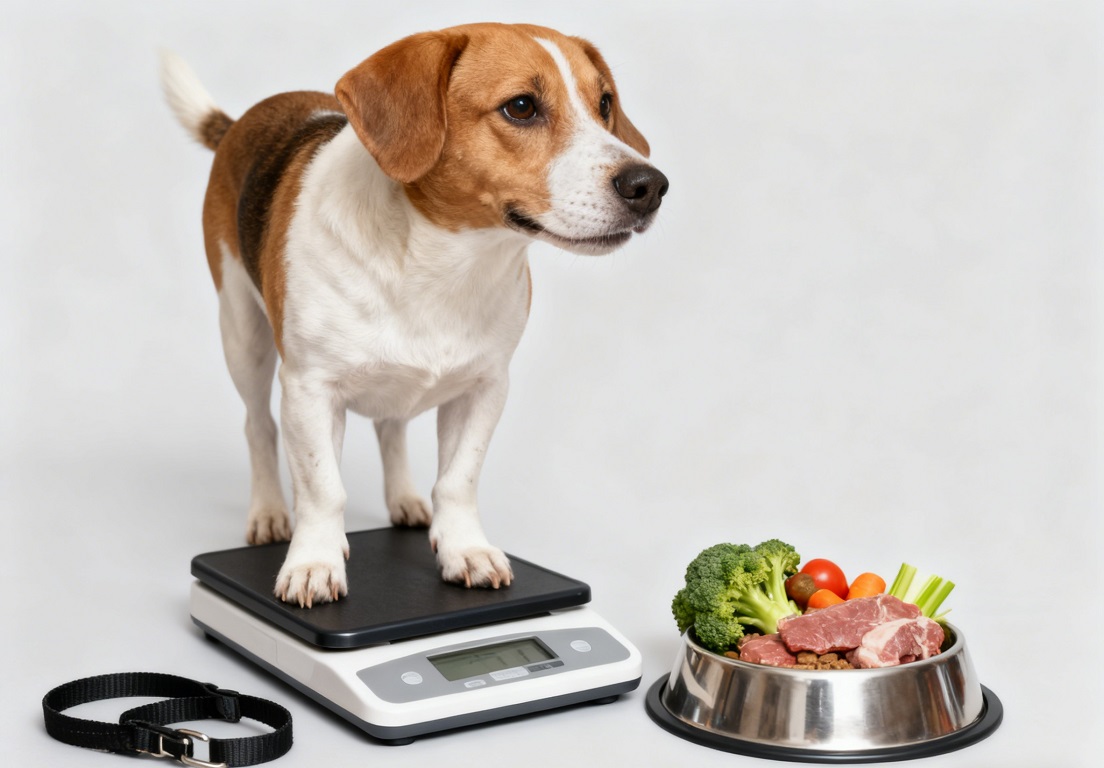
Accurate measuring tools ensure precise portion control for effective weight management
Resting Energy Requirement (RER) Formula:
Basic Calculation:
- Formula: RER = 70 × (body weight in kg)0.75
- Simplified: 30 × (body weight in kg) + 70
- Example: 20kg dog = 30 × 20 + 70 = 670 kcal/day at rest
- Maintenance: RER × 1.6 for typical adult dog
- Weight loss: RER × 1.0 (or 80% of maintenance)
Lifestyle Multipliers:
- Sedentary/older: RER × 1.2-1.4
- Normal activity: RER × 1.6
- Active/working dogs: RER × 2.0-5.0
- Puppies: RER × 2.0-3.0 (age dependent)
- Important: Adjust based on weight loss/gain progress
Safe Weight Loss Protocol: Step-by-Step Plan

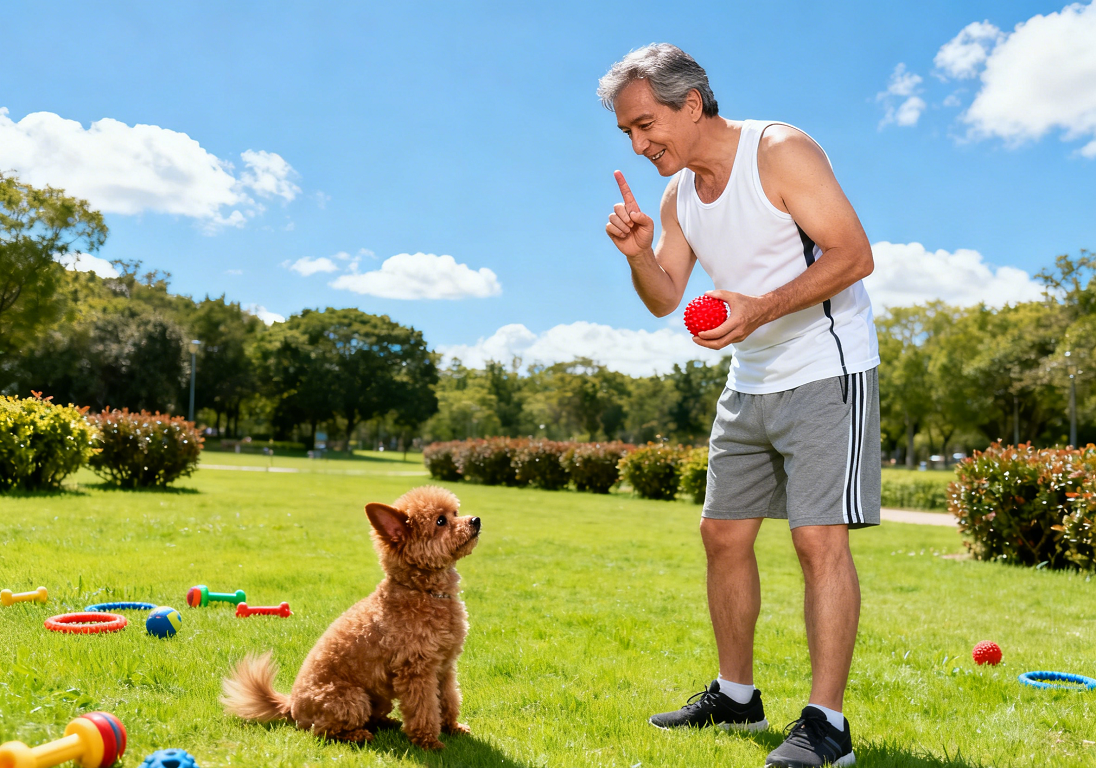
Consistent exercise combined with proper diet leads to successful, healthy weight loss transformations
| Phase | Duration | Goal Weight Loss | Dietary Strategy | Exercise Plan |
|---|---|---|---|---|
| Phase 1: Assessment | 1-2 weeks | Establish baseline | Measure current intake, switch to weight management food | Establish baseline activity level |
| Phase 2: Active Loss | Weeks 3-12 | 1-2% body weight weekly | Reduce calories 20-30%, increase fiber/protein | Increase gradually to 30+ minutes daily |
| Phase 3: Plateau Management | As needed | Overcome stalls | Adjust calories 5-10%, vary protein sources | Change exercise type/intensity |
| Phase 4: Maintenance | Lifelong | Maintain ideal weight ± 2% | Increase to maintenance calories, continue measuring | 30-60 minutes daily minimum |
Portion Control and Feeding Strategies
Accurate Measuring Methods:
- Use a scale: Most accurate - measure in grams
- Standard measuring cups: Level off, don't scoop
- Check bag guidelines: Use as starting point only
- Account for ALL food: Treats, table scraps, training rewards
- Regular adjustments: Change portions as weight changes
Feeding Schedule Tips:
- Multiple small meals: 2-3 daily vs. one large meal
- Scheduled feeding: Not free-choice grazing
- Puzzle feeders: Slow eating, mental stimulation
- Separate from human meals: Reduce begging behavior
- Consistent timing: Regulates metabolism
Treat Management Strategies:
- Count treats in daily total: Treats should be <10% of daily calories
- Low-calorie options: Carrots, green beans, apple slices
- Use kibble as treats: Deduct from meal portions
- Break treats small: Pea-sized pieces sufficient
- Non-food rewards: Praise, play, affection
- Sample low-calorie treats:
- Frozen green beans
- Air-popped popcorn (no butter/salt)
- Small pieces of watermelon (seedless)
- Commercial training treats (3-5 calories each)
- Ice cubes (especially in summer)
Exercise Plans by Fitness Level
| Current Condition | Starting Point | Progression Plan | Recommended Activities | Safety Considerations |
|---|---|---|---|---|
| Sedentary/Obese | 5-10 min walks 2x daily | Add 5 min weekly, up to 30 min sessions | Leisurely walking, indoor obstacle courses | Vet clearance, watch for overheating, joint stress |
| Overweight | 15-20 min walks 2x daily | Increase duration, add gentle inclines | Brisk walking, fetch (short distances) | Monitor breathing, provide water breaks |
| Moderately Active | 25-30 min exercise daily | Add intensity, not just duration | Jogging intervals, swimming, agility basics | Proper warm-up/cool-down, joint supplements if needed |
| Active Dogs | 60+ min total exercise daily | Variety to prevent boredom | Running, hiking, advanced training sports | Cross-training to avoid overuse injuries |
Choosing the Right Food for Weight Management
Weight Management Formulas:
- Higher protein: 25-30% to preserve muscle mass
- Increased fiber: 8-15% for satiety
- Lower fat: 8-12% for calorie reduction
- Added L-carnitine: Supports fat metabolism
- Controlled carbs: Avoid high-glycemic ingredients
Reading Labels:
- Calorie content: Look for kcal/cup or kcal/kg
- Guaranteed analysis: Check protein/fat/fiber percentages
- AAFCO statement: "Weight management" or "light"
- Ingredient quality: Whole protein sources first
- Special formulations: Senior, large breed, etc.

Understanding food labels is essential for selecting appropriate weight management formulas
Transitioning to Weight Management Food:
- Week 1: 75% old food, 25% new food
- Week 2: 50% old food, 50% new food
- Week 3: 25% old food, 75% new food
- Week 4: 100% new food
- Monitor: Stool consistency, appetite, energy
- Common issues and solutions:
- Refusal to eat: Mix with warm water or low-sodium broth
- Digestive upset: Slow transition further, add probiotics
- Increased hunger: Add fibrous vegetables to bulk meals
- No weight loss: Recalculate portions, ensure accurate measuring
Common Weight Loss Mistakes and Corrections
| Common Mistake | Why It Fails | Better Approach | Expected Results |
|---|---|---|---|
| Drastic calorie restriction | Slows metabolism, causes muscle loss, creates hunger | Gradual 20-30% reduction, high protein | Steady loss, preserved muscle, sustainable |
| Only reducing food, no exercise | Loses muscle not fat, slows metabolism further | Combination of diet + graduated exercise | Higher fat loss, improved fitness, faster metabolism |
| Not counting treats/table scraps | Treats can add 25%+ to daily calories unnoticed | Measure all food, use low-calorie alternatives | Accurate calorie control, consistent progress |
| Feeding "lite" food free-choice | Dogs overeat even diet food if unlimited | Measure portions, feed scheduled meals | Controlled intake, predictable weight loss |
| Giving up after 2-3 weeks | Healthy weight loss takes 3-6+ months | Set realistic timeline, celebrate small victories | Long-term success, established healthy habits |
Monitoring Progress and Adjusting Plans
Tracking Tools:
- Weekly weigh-ins: Same scale, same time of day
- Body measurements: Chest, waist, neck (monthly)
- Progress photos: Same angle/lighting monthly
- Food diary: Record all intake including treats
- Activity log: Duration and type of exercise
When to Adjust Your Plan:
- No weight loss after 3-4 consistent weeks
- Excessive hunger or lethargy
- Weight loss too rapid (>2% weekly)
- Plateau lasting 3+ weeks
- Any health concerns arise
Success Indicators Beyond Scale:
- Visible waist from above
- Ribs palpable with light pressure
- Increased energy and mobility
- Improved coat quality
- Better breathing during activity
- More enthusiasm for walks/play
Plateau Breaking Strategies:
- Reduce calories by 5-10%
- Change exercise routine (type/duration/intensity)
- Vary protein sources
- Ensure accurate measuring
- Check for medical issues (thyroid, etc.)

Consistent tracking helps identify trends, celebrate progress, and make necessary adjustments
Special Considerations by Life Stage
Puppies:
- Goal: Slow, steady growth, not rapid weight gain
- Monitoring: Use breed-specific growth charts
- Risk: Overfeeding leads to obesity, joint problems
- Strategy: Feed for ideal adult weight, adjust monthly
- Exercise: Appropriate for development, not excessive
Adult Dogs (1-7 years):
- Goal: Maintain ideal weight
- Challenge: "Middle-age spread" common at 5-7 years
- Adjustment: Reduce calories 10-20% as metabolism slows
- Exercise: Consistent daily activity essential
- Monitoring: Quarterly weight checks
Senior Dogs (7+ years):
- Goal: Maintain lean muscle, manage health conditions
- Challenge: Decreased activity, medical issues, slower metabolism
- Diet: Senior formulas, higher protein, joint supplements
- Exercise: Low-impact, consistent, appropriate for ability
- Monitoring: Monthly checks, vet consultations regularly
When to Seek Veterinary Guidance
Medical Causes of Weight Gain:
- Hypothyroidism: Blood test required for diagnosis
- Cushing's disease: Excessive cortisol production
- Insulin resistance/diabetes: Requires medical management
- Medication side effects: Steroids, some seizure meds
- Arthritis pain: Reduces activity, requires treatment
Veterinary Support Options:
- Prescription weight loss diets
- Metabolic testing and assessment
- Customized exercise recommendations
- Medication for underlying conditions
- Regular progress monitoring
- Nutritional counseling services
Red Flags Requiring Vet Visit:
- Sudden weight gain or loss
- No weight loss despite calorie restriction
- Excessive hunger or thirst
- Lethargy or exercise intolerance
- Difficulty breathing
- Any new medical symptoms
What Your Vet Will Do:
- Complete physical exam
- Blood work to rule out medical issues
- Calculate precise calorie needs
- Recommend appropriate diet
- Set safe weight loss goals
- Schedule follow-up visits
Conclusion: A Lifelong Commitment to Health
Weight management is not a short-term diet but a lifelong approach to your dog's health and wellbeing. By understanding your dog's unique needs, implementing consistent feeding practices, providing regular appropriate exercise, and monitoring progress diligently, you can help your canine companion achieve and maintain an optimal weight.
Remember that every dog is different, and what works for one may need adjustment for another. Be patient with the process, celebrate non-scale victories like increased energy and improved mobility, and maintain open communication with your veterinarian. The effort you invest in your dog's weight management today will pay dividends in their quality of life and longevity for years to come.
"The journey to a healthy weight is a marathon, not a sprint. Consistency, patience, and partnership with your veterinarian are the keys to long-term success and a happier, healthier dog."
About the Author
Dr. James Wilson, DVM, DACVN is a board-certified veterinary nutritionist with 18 years of clinical experience specializing in canine obesity management. He has published numerous research papers on canine metabolism and developed weight management protocols used by veterinary practices nationwide.