Top 10 Questions to Ask When Adopting a Dog from a Shelter

Asking the right questions ensures a successful adoption and perfect match for your family
Top 10 Questions to Ask When Adopting a Dog from a Shelter
Adopting a shelter dog is one of the most rewarding decisions you can make, but asking the right questions is crucial for a successful adoption. This comprehensive guide covers the top 10 essential questions every prospective adopter should ask when visiting a shelter.
Why These Questions Matter
Before you're captivated by those soulful eyes, remember: every shelter dog has a unique history, personality, and needs. Asking the right questions helps you:
- Understand the dog's background and behavior patterns
- Prepare for any special needs or challenges
- Ensure compatibility with your lifestyle and family
- Budget appropriately for future care
- Set realistic expectations for the adjustment period
"The most successful adoptions happen when families ask questions first and fall in love second."
— Sarah Johnson, Animal Shelter Director
The Complete Question List
This comprehensive checklist covers all essential questions for a successful shelter adoption
1. What Is the Dog's Complete Medical History?
Why ask: Understanding health issues helps you prepare for future veterinary care and costs.
Specific questions to ask:
- What vaccinations has the dog received, and when are boosters due?
- Is the dog spayed/neutered? If not, does the shelter cover this cost?
- Are there any known chronic health conditions (arthritis, allergies, etc.)?
- Has the dog been tested for heartworm and parasites?
- What medications, if any, is the dog currently taking?
- When was the last veterinary examination?
Understanding medical history helps plan for future care and budget appropriately
2. What Do You Know About the Dog's Background?
Why ask: Background information helps you understand potential triggers and adjustment needs.
- Why was the dog surrendered to the shelter?
- How long has the dog been at the shelter or in foster care?
- What was the dog's previous living situation (apartment, house with yard, etc.)?
- Is there any known history of abuse or neglect?
- Was the dog an owner surrender or a stray?
3. What Behavioral Assessments Have Been Completed?
Why ask: Behavioral assessments predict how the dog will fit into your home environment.
| Assessment Area | What to Ask |
|---|---|
| Socialization | How does the dog react to other dogs? Cats? Small animals? |
| Children | Has the dog been around children? What ages? |
| Strangers | How does the dog react to new people? |
| Resource Guarding | Has food or toy aggression been observed? |
| Separation Anxiety | How does the dog handle being alone? |
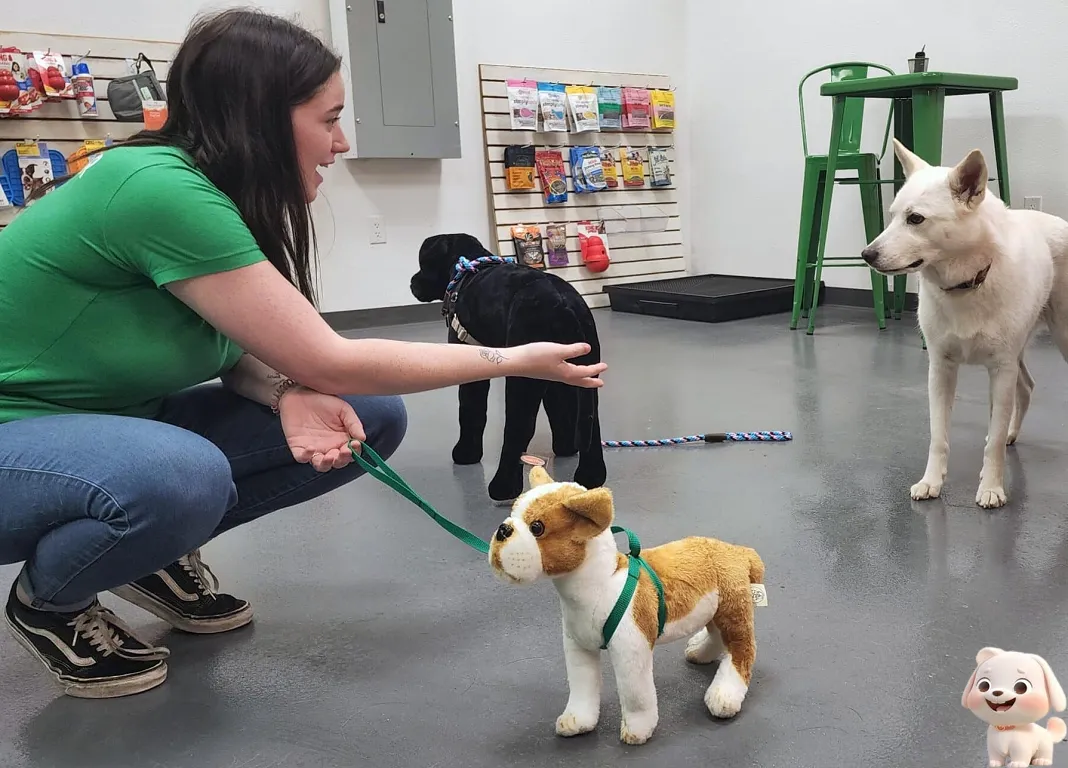
Behavioral assessments predict how the dog will adapt to your home environment
4. What Is the Dog's Energy Level and Exercise Needs?
Why ask: Matching energy levels prevents frustration for both you and the dog.
- How much daily exercise does the dog typically need?
- Does the dog enjoy walks, runs, or more gentle activities?
- What's the dog's play style (fetch, tug, chase)?
- How does the dog behave after exercise (calms down or remains hyper)?
5. Is the Dog House-Trained?
Why ask: Even adult dogs may need refresher training in a new environment.
Questions about house training:
- Is the dog fully house-trained?
- What signals does the dog give when needing to go out?
- How frequently does the dog need bathroom breaks?
- Has the dog had any accidents at the shelter?
If not house-trained:
- What training methods has the shelter been using?
- Are there specific times the dog typically needs to go out?
- Does the dog use pee pads or only go outside?
6. What Commands Does the Dog Know?
Why ask: Understanding training level helps you plan future training sessions.
- Does the dog respond to basic commands (sit, stay, come)?
- Is the dog leash-trained? Does it pull on the leash?
- Does the dog have any unusual behaviors that need addressing?
- What training methods have been most effective?
7. What Is the Dog's Daily Routine at the Shelter?
Why ask: Maintaining some consistency helps with the transition to your home.
Routine details to ask about:
- Feeding schedule and portion sizes
- Exercise and playtime schedule
- Sleeping arrangements and preferences
- Favorite toys or activities
- Any special handling requirements
8. Are There Any Known Fears or Triggers?
Why ask: Knowing triggers helps you create a safe environment.
- Is the dog afraid of loud noises (thunder, fireworks, vacuum)?
- Does the dog have fear of specific objects (brooms, umbrellas)?
- How does the dog react to car rides?
- Are there specific situations that make the dog anxious?
9. What Ongoing Support Does the Shelter Provide?
Why ask: Good shelters offer support during the transition period.
| Support Type | Questions to Ask |
|---|---|
| Medical Support | Is there a health guarantee? What's covered? |
| Training Support | Do you offer post-adoption training resources? |
| Behavioral Support | What if we encounter unexpected behavioral issues? |
| Return Policy | What's your return policy if it doesn't work out? |
10. Can We Have a Trial Period or Foster-to-Adopt?
Why ask: A trial period allows both you and the dog to ensure it's a good fit.
- Does the shelter offer foster-to-adopt programs?
- Is there a trial period before finalizing adoption?
- What's involved in a trial period?
- What support is provided during the trial?
Additional Questions Based on Your Situation
For Families with Children:
- Has the dog been child-tested?
- What ages of children has the dog been around?
- How does the dog react to sudden movements or loud noises?
- Is the dog gentle with taking treats?
For Homes with Other Pets:
- Has the dog been around other animals?
- How does the dog react to cats/small animals?
- Is there a history of aggression with other pets?
- Would a meet-and-greet with existing pets be possible?
For Apartment/Condominium Living:
- How much does the dog bark?
- Is the dog comfortable in smaller spaces?
- How does the dog handle elevator rides?
- Is the dog comfortable with hallway noises?

Customize your questions based on your specific living situation and family needs
Questions to Ask Yourself
While gathering information from the shelter, also consider:
- Lifestyle Fit: Does this dog's energy level match your daily routine?
- Financial Commitment: Can you afford potential medical treatments this breed may need?
- Time Commitment: Do you have enough time for training, exercise, and bonding?
- Home Environment: Is your living space suitable for this dog's size and needs?
- Long-Term Planning: Are you prepared for a 10-15 year commitment?
Red Flags to Watch For
While most shelters are transparent, be aware of these warning signs:
- Staff who seem unwilling to answer detailed questions
- Missing or incomplete medical records
- Pressure to make an immediate decision
- Inability to provide behavioral assessment information
- Refusal to allow interaction with the dog in different settings
"A reputable shelter wants you to ask questions. They understand that informed adopters make the best pet parents."
— Dr. Michael Chen, Veterinary Behaviorist
Creating Your Adoption Question Checklist
Before visiting shelters, create your personalized checklist:
Essential Documents to Review:
- Complete medical records and vaccination history
- Behavioral assessment reports
- Any known background information
- Adoption contract and return policy
- List of included services (spay/neuter, microchip, etc.)
What to Do After Getting Answers
Evaluate the Information:
- Compare answers with your lifestyle and capabilities
- Discuss with all family members
- Consider consulting with a trainer if you have concerns
- Sleep on the decision before committing
Next Steps if It's a Good Fit:
- Request additional visits with the dog
- Ask about a trial period if available
- Begin preparing your home
- Schedule a vet appointment for shortly after adoption
Common Adoption Scenarios and Questions
Adopting a Senior Dog:
- What age-related health issues should we anticipate?
- How mobile is the dog? Any arthritis or joint issues?
- What's the dog's expected lifespan given current health?
- Are there special dietary needs?
Adopting a Puppy:
- What socialization has the puppy received?
- Has crate training begun?
- What's the vaccination schedule?
- Any information about the litter or parents?
Adopting a Special Needs Dog:
- What specific care does the dog require?
- What medications or treatments are needed?
- What's the estimated monthly cost of care?
- What training has been provided for the disability?
Post-Adoption Questions to Keep Asking
Your questions shouldn't stop at adoption. Continue asking:
- How is the dog adjusting to our routine?
- What new behaviors are emerging?
- Are there signs of stress or anxiety?
- How can we strengthen our bond?
- When should we seek professional help?
Final Checklist Before Signing Papers
- ✓ All health questions answered satisfactorily
- ✓ Behavioral assessment reviewed and understood
- ✓ Background information provided
- ✓ Meet-and-greet with all family members completed
- ✓ Trial period or additional visits conducted
- ✓ Financial planning for ongoing care completed
- ✓ Home preparations made
- ✓ Post-adoption support confirmed
- ✓ Emergency contact information exchanged
- ✓ Everyone in the household fully committed
Conclusion: The Power of Prepared Questions
Asking thorough questions when adopting a shelter dog isn't about being skeptical—it's about being responsible. The more information you gather, the better prepared you'll be to provide a loving, permanent home for your new companion.
Remember that shelter staff want successful adoptions as much as you do. They've cared for these animals and want to see them thrive in the right homes. Your questions show that you're serious about providing a forever home.
Ready to adopt? Print this question list, visit your local shelter, and start asking. The perfect companion is waiting for someone who cares enough to ask the right questions.
"Every question you ask brings you one step closer to finding the dog who will complete your family. Don't be afraid to ask—the answers will guide you to the right choice."
Note: This article is for informational purposes only. Always consult with shelter staff, veterinarians, and professional trainers for advice specific to your situation.
About the Author
Jane Wilson is a certified dog trainer and adoption counselor with over 15 years of experience working with shelter dogs. She has helped hundreds of families find their perfect canine companions through careful matching and thorough education.