Raw Diet vs. Kibble: What's Best for Your Dog?

Understanding the differences between raw and commercial diets helps you make informed choices for your dog's health
The Great Dog Food Debate: Raw vs. Kibble
Choosing the right food for your dog is one of the most important decisions you'll make as a pet owner. The debate between raw diets and commercial kibble has passionate advocates on both sides. This comprehensive guide examines both options objectively, helping you make an informed decision based on your dog's needs, your lifestyle, and scientific evidence.
"Nutrition isn't one-size-fits-all. The best diet for your dog depends on their health, age, lifestyle, and your ability to provide balanced nutrition consistently."
— Dr. Amanda Chen, Veterinary Nutritionist
Understanding the Raw Food Diet (BARF/Prey Model)
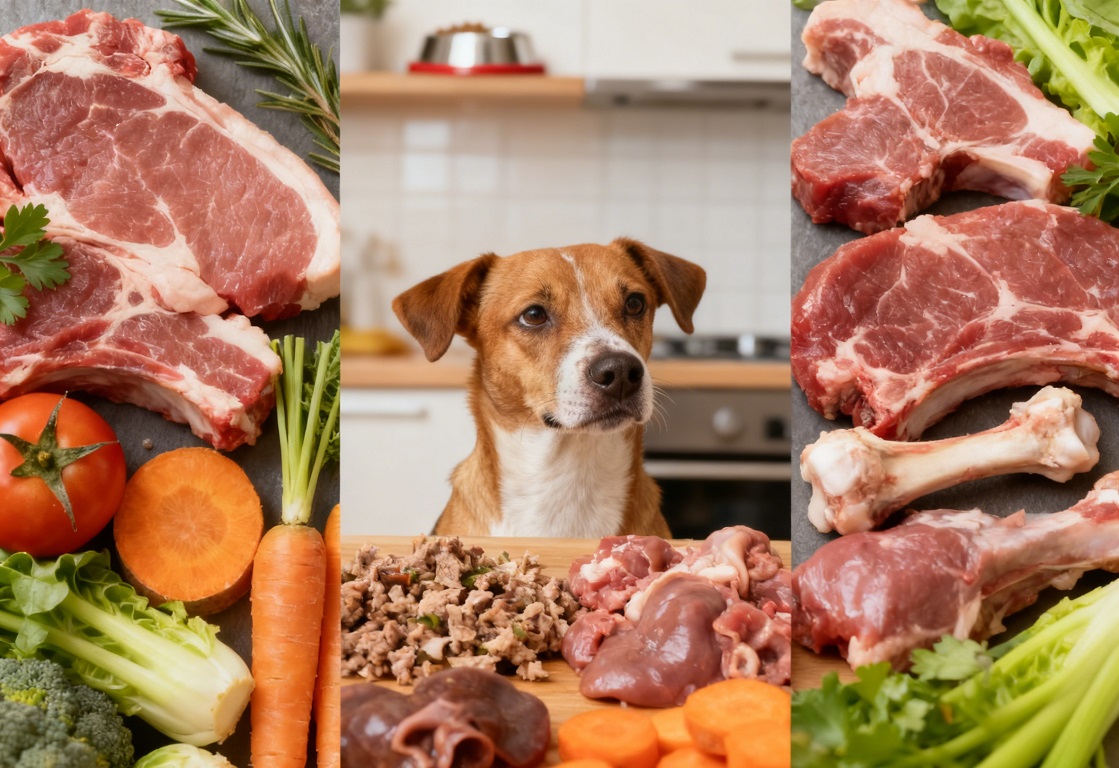
A balanced raw diet requires careful proportioning of muscle meat, bones, organs, and vegetables for complete nutrition
What is a Raw Diet?
Raw feeding typically follows one of two models:
BARF Diet (Biologically Appropriate Raw Food):
- 70% muscle meat
- 10% raw edible bone
- 10% vegetables and fruits
- 5% liver
- 5% other secreting organs
Prey Model Diet:
- 80% meat
- 10% bone
- 5% liver
- 5% other organs
- No plant matter included
Understanding Commercial Kibble
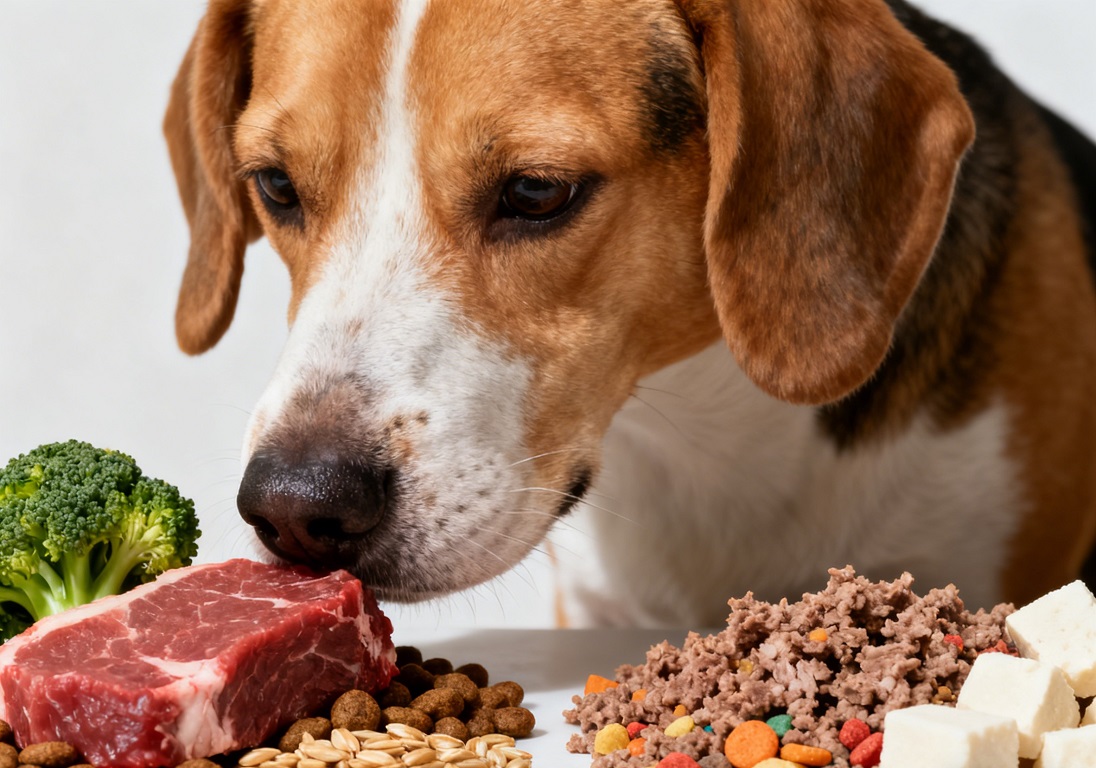
Not all kibble is created equal - quality varies greatly between economy, premium, and prescription formulas
Types of Commercial Dog Food:
| Type | Description | AAFCO Statement |
|---|---|---|
| Grocery Store Brands | Budget-friendly, widely available | "Complete and balanced" |
| Premium Kibble | Higher quality ingredients, specialized formulas | "Complete and balanced" |
| Prescription Diets | Veterinary-formulated for specific health conditions | "Complete and balanced" |
| Limited Ingredient | For dogs with food sensitivities or allergies | "Complete and balanced" |
Raw Diet: Benefits and Advantages
Reported Benefits:
- Improved Coat and Skin: Higher fat content and natural oils
- Better Dental Health: Chewing raw bones may reduce tartar
- Smaller, Firmer Stools: Higher digestibility of natural ingredients
- Increased Energy: Some owners report more vitality
- Weight Management: Natural portion control and higher protein
- No Artificial Additives: No preservatives, colors, or fillers
Raw Diet: Risks and Challenges
| Risk Factor | Description | Prevention/Mitigation |
|---|---|---|
| Bacterial Contamination | Salmonella, E. coli, Listeria risks for pets and humans | Proper handling, freezing, sanitation |
| Nutritional Imbalance | Incorrect ratios can cause deficiencies or excesses | Consult veterinary nutritionist, use balanced recipes |
| Bone Hazards | Choking, intestinal blockage, tooth fractures | Appropriate bone size, supervision while eating |
| Parasites | Risk from uncooked meat | Freeze meat before feeding, source from reputable suppliers |
| Cost and Convenience | More expensive and time-consuming | Budgeting, meal prep planning |
Kibble: Benefits and Advantages
Key Advantages:
- Nutritionally Complete: Formulated to meet AAFCO standards
- Convenience: Easy storage, no preparation needed
- Cost-Effective: Generally less expensive than raw feeding
- Consistency: Same nutritional profile in every batch
- Dental Health Options: Special kibble shapes for dental care
- Long Shelf Life: No refrigeration required
- Specialized Formulas: Available for various health conditions
Kibble: Concerns and Limitations
Common Concerns:
- Processing: High heat may destroy some nutrients
- Fillers: Some brands use corn, wheat, soy as cheap fillers
- Preservatives: Chemical preservatives in some formulas
- Moisture Content: Very low (10% vs. 70% in raw food)
- Allergens: Common ingredients may trigger allergies
- Palatability: Some dogs find kibble less appealing
Quality Variations:
- Economy Brands: Lower quality ingredients, more fillers
- Mid-Range: Better quality, some specialized options
- Premium/Holistic: Higher quality ingredients, fewer additives
- Prescription: Veterinary-formulated for specific needs
Cost Comparison: Raw vs. Kibble
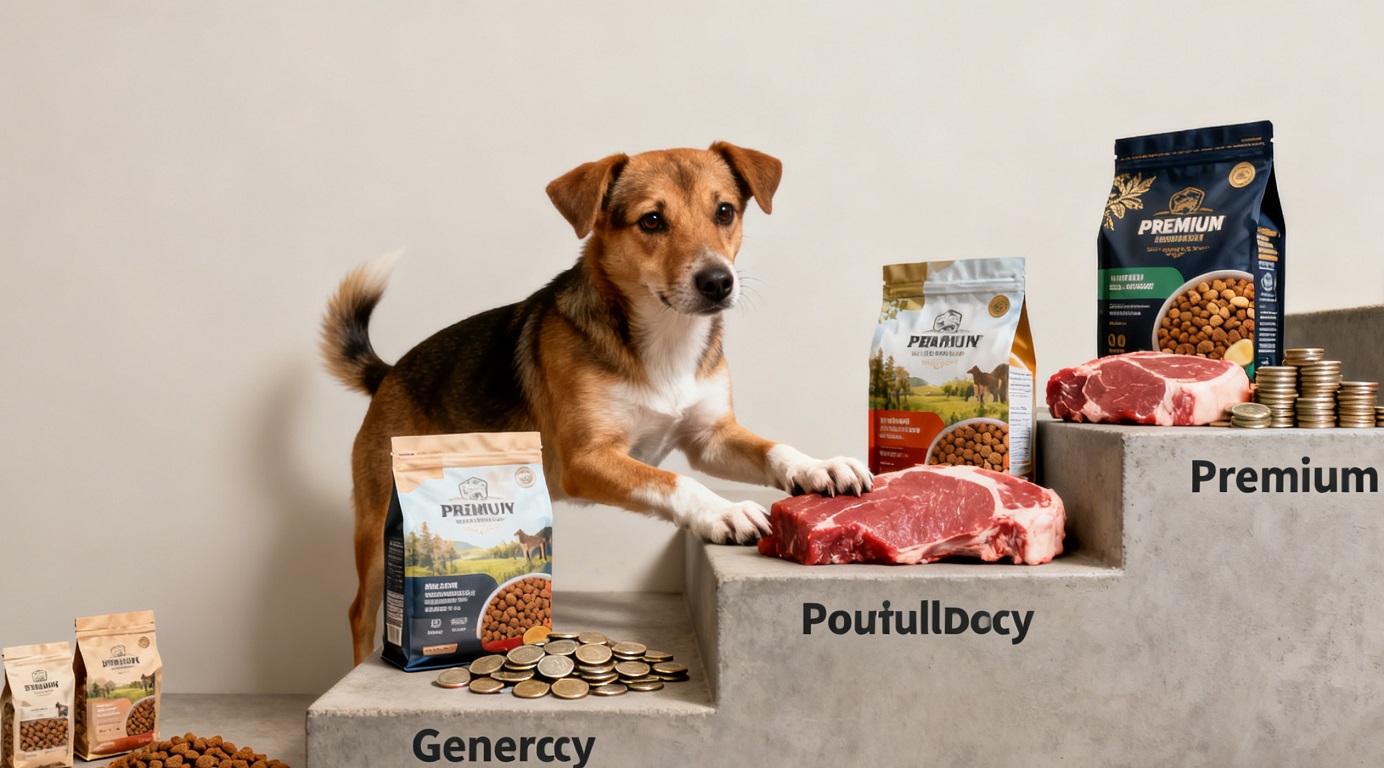
Budget considerations play a significant role in choosing the right feeding approach for your dog
| Diet Type | Monthly Cost (30lb dog) | Initial Setup | Time Commitment |
|---|---|---|---|
| Commercial Raw (Pre-made) | $150-$300 | Freezer space, containers | Low (just thaw and serve) |
| Homemade Raw | $100-$200 | Freezer, scale, supplements | High (shopping, prep, balancing) |
| Premium Kibble | $60-$120 | Storage container | Very low (measure and serve) |
| Prescription Kibble | $80-$150 | None | Very low |
Scientific Research: What Do Studies Say?
Key Research Findings:
- Digestibility: Some studies show raw diets may be more digestible
- Dental Health: Evidence mixed; raw bones may help but also risk damage
- Microbiome: Raw-fed dogs may have different gut bacteria profiles
- Pathogen Risk: Multiple studies confirm higher bacterial risk in raw diets
- Nutritional Balance: Studies show many homemade raw diets are unbalanced
- Long-term Health: No conclusive long-term studies comparing outcomes
Which Dogs Might Benefit from Raw?
Good Candidates for Raw:
- Dogs with food allergies to common kibble ingredients
- Healthy adult dogs with no immune compromises
- Working or highly active dogs needing high protein
- Dogs prone to obesity (higher protein can aid weight loss)
- Owners committed to proper food handling and balancing
Poor Candidates for Raw:
- Puppies (risk of nutritional imbalance during growth)
- Senior dogs with dental issues or weakened immune systems
- Dogs with cancer or on immunosuppressive drugs
- Households with young children, elderly, or immunocompromised people
- Owners unwilling to follow strict food safety protocols
How to Choose Quality Kibble
Kibble Selection Checklist:
- AAFCO Statement: Look for "complete and balanced for [life stage]"
- Ingredient Quality: Named meat sources first (chicken, beef, fish)
- Protein Content: Minimum 18% for adults, 22% for puppies
- Fat Content: Appropriate for your dog's activity level
- Limited Fillers: Avoid corn, wheat, soy as primary ingredients
- Reputable Brand: Companies with veterinary nutritionists on staff
- Appropriate Life Stage: Puppy, adult, senior formulations
Transitioning Between Diets Safely
| Transition Type | Recommended Timeline | Key Considerations |
|---|---|---|
| Kibble to Raw | 2-4 weeks minimum | Start with single protein, monitor stools closely |
| Raw to Kibble | 1-2 weeks | May cause temporary digestive upset |
| Between Kibble Brands | 7-10 days | 25/75, 50/50, 75/25 ratio progression |
Hybrid Approaches and Alternatives
Combination Feeding:
- Toppers: Add raw or cooked meat to kibble
- Rotation: Alternate between raw and kibble meals
- Supplementation: Add fresh foods to balanced kibble
- Home-cooked: Cooked meat and vegetables with balanced supplements
Alternative Diets:
- Freeze-dried Raw: Convenient, lower pathogen risk
- Dehydrated: Lightweight, rehydrate before feeding
- Gently Cooked: Commercial fresh food delivery services
- Home-cooked Balanced: With veterinary guidance
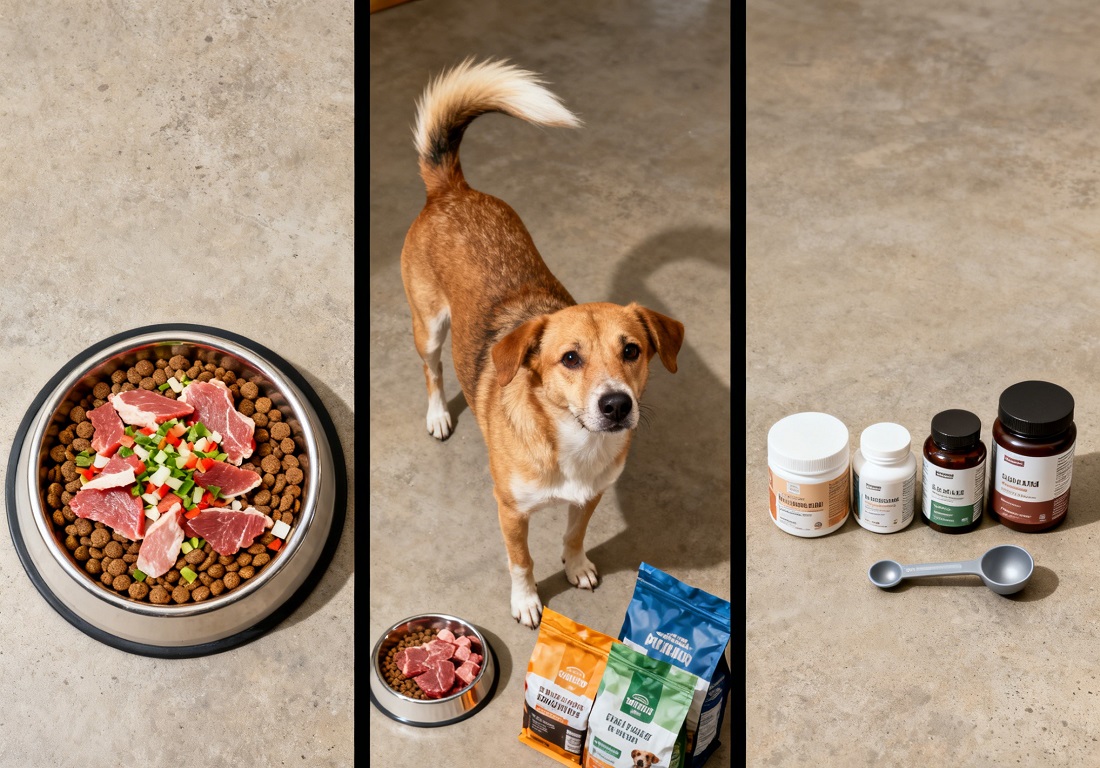
Many owners find success with balanced hybrid approaches that combine the benefits of multiple feeding methods
Consulting Professionals: When to Seek Help
"Never make significant dietary changes without consulting your veterinarian, especially if your dog has health issues. What works for one dog may be dangerous for another."
— Dr. Robert Kim, Board-Certified Veterinary Nutritionist
Seek Professional Guidance If:
- Your dog has chronic health conditions (kidney disease, pancreatitis, etc.)
- Planning a homemade diet (raw or cooked)
- Your dog is pregnant, nursing, or a growing puppy
- You notice adverse reactions to diet changes
- Your dog has a history of food allergies or sensitivities
- You're considering a drastic dietary change
Making Your Decision: Key Questions to Ask
Decision-Making Checklist:
- Your Dog's Health: Any medical conditions? Age? Activity level?
- Your Lifestyle: Time for meal prep? Budget constraints?
- Household Safety: Young children? Immunocompromised family members?
- Storage: Freezer space for raw? Dry storage for kibble?
- Knowledge: Willing to learn about nutritional balancing?
- Veterinary Support: Access to nutrition-savvy veterinarian?
- Your Dog's Preference: What does your dog enjoy eating?
Final Recommendations
Choose Raw If:
- You're committed to proper food safety and balancing
- Your dog has specific health issues that may benefit
- You have the budget and time for preparation
- Your household can safely handle raw meat
- You'll work with a veterinary nutritionist
Choose Kibble If:
- You need convenience and consistency
- Budget is a primary concern
- Your dog has no issues with commercial food
- You have safety concerns about raw feeding
- You want guaranteed nutritional completeness
Conclusion: There's No One Right Answer
The raw vs. kibble debate doesn't have a universal winner. Both approaches can provide healthy nutrition when done correctly, and both have potential pitfalls when done poorly. The best diet for your dog depends on numerous factors unique to your situation.
Whether you choose raw, kibble, or a combination approach, the most important factors are:
- Nutritional Balance: Ensuring complete and appropriate nutrition
- Safety: Protecting both your dog and your family from risks
- Sustainability: Choosing an approach you can maintain long-term
- Monitoring: Regular weight checks, vet visits, and observation
- Flexibility: Being willing to adjust as your dog's needs change
"The perfect diet is one that keeps your dog healthy, fits your lifestyle, and brings you both joy at mealtime. Don't let perfection be the enemy of good nutrition."
About the Author
Michael Thompson is a certified canine nutrition consultant with 15 years of experience working with both raw and commercial feeding approaches. He holds a Master's degree in Animal Nutrition and regularly conducts workshops helping pet owners make informed dietary choices for their dogs.