Puppy Vaccination Schedule: A Complete Guide for New Owners
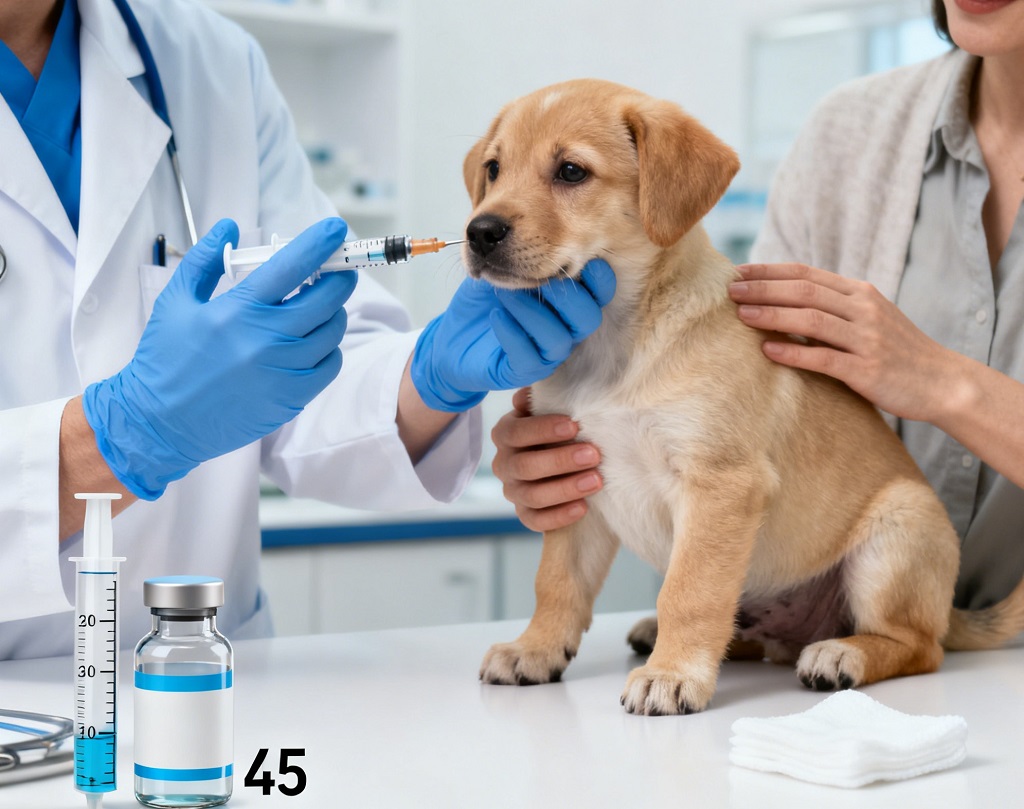
Proper vaccination is the foundation of your puppy's lifelong health and well-being
The Ultimate Puppy Vaccination Guide: Protecting Your New Best Friend
Vaccinating your new puppy is one of the most important responsibilities of pet ownership. This comprehensive guide provides detailed vaccination schedules, cost breakdowns, safety tips, and expert advice to ensure your puppy grows into a healthy, protected dog.
"Vaccinations are not optional—they're essential preventive medicine. Following the recommended schedule is the single most effective way to protect puppies from deadly, preventable diseases."
— Dr. Sarah Johnson, Veterinary Immunologist with 15 years experience
Understanding the Science: Why Puppies Need Multiple Vaccines
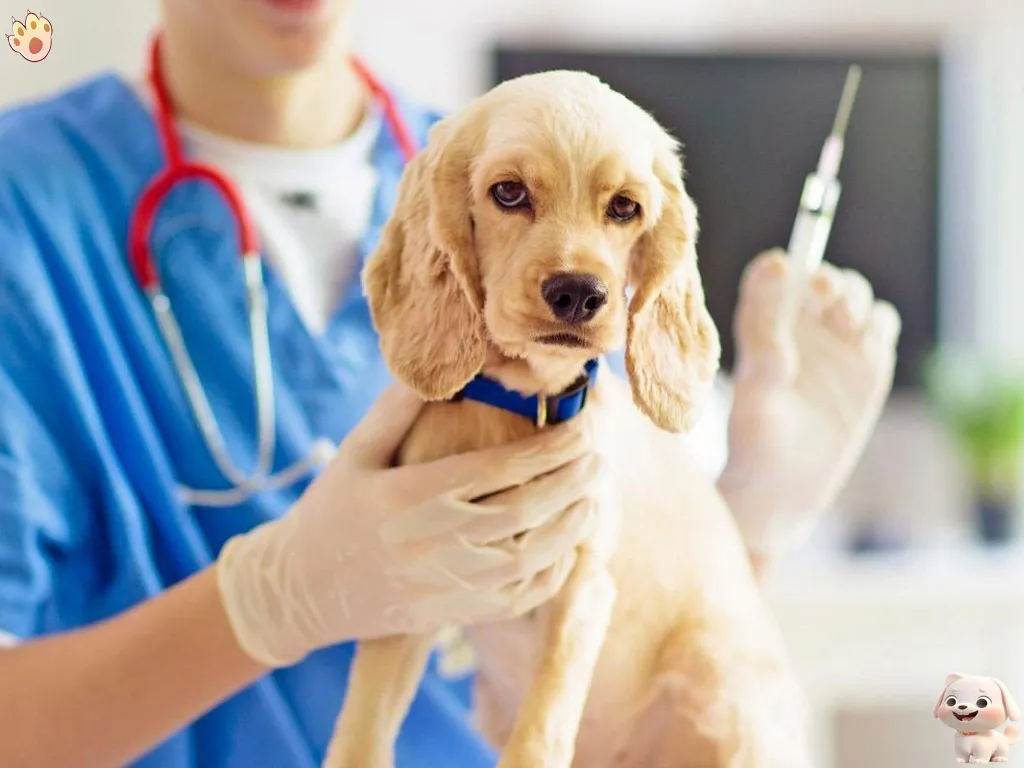
A veterinarian administering a vaccine to a puppy - proper technique is essential
| Puppy's Age | Maternal Antibody Status | Vaccine Effectiveness | Protection Gap Risk |
|---|---|---|---|
| Birth - 6 Weeks | High maternal antibodies | Vaccines often ineffective | Low (protected by mom) |
| 6 - 12 Weeks | Antibodies decreasing | Variable effectiveness | High - critical period |
| 12 - 16 Weeks | Antibodies mostly gone | Vaccines highly effective | Extremely high |
| After 16 Weeks | No maternal antibodies | Full vaccine response | Protected if vaccinated |
Complete Puppy Vaccination Timeline: Month by Month
Core Vaccines (Recommended for ALL Puppies):
6-8 Weeks:
- DHPP (1st dose): Distemper, Hepatitis, Parvovirus, Parainfluenza
- Optional: Bordetella (if socializing early)
- Exam: First veterinary check-up
- Start: Deworming and parasite prevention
10-12 Weeks:
- DHPP (2nd dose): Essential booster
- Leptospirosis (1st dose): Bacterial disease protection
- Lyme: If in tick-endemic areas
- Continue: Monthly preventatives
14-16 Weeks:
- DHPP (3rd dose): Final puppy dose
- Rabies (1-year): Legally required
- Leptospirosis (2nd dose): Booster if started
- Canine Influenza: Based on risk assessment
12-16 Months:
- DHPP Booster: First adult booster
- Rabies (3-year): Longer protection
- All non-core boosters: As needed
- Annual exam: Transition to adult care
Every 1-3 Years (Adult):
- DHPP: Every 3 years typically
- Rabies: As required by local law
- Leptospirosis: Annual if at risk
- Lyme/Bordetella: Annual if needed
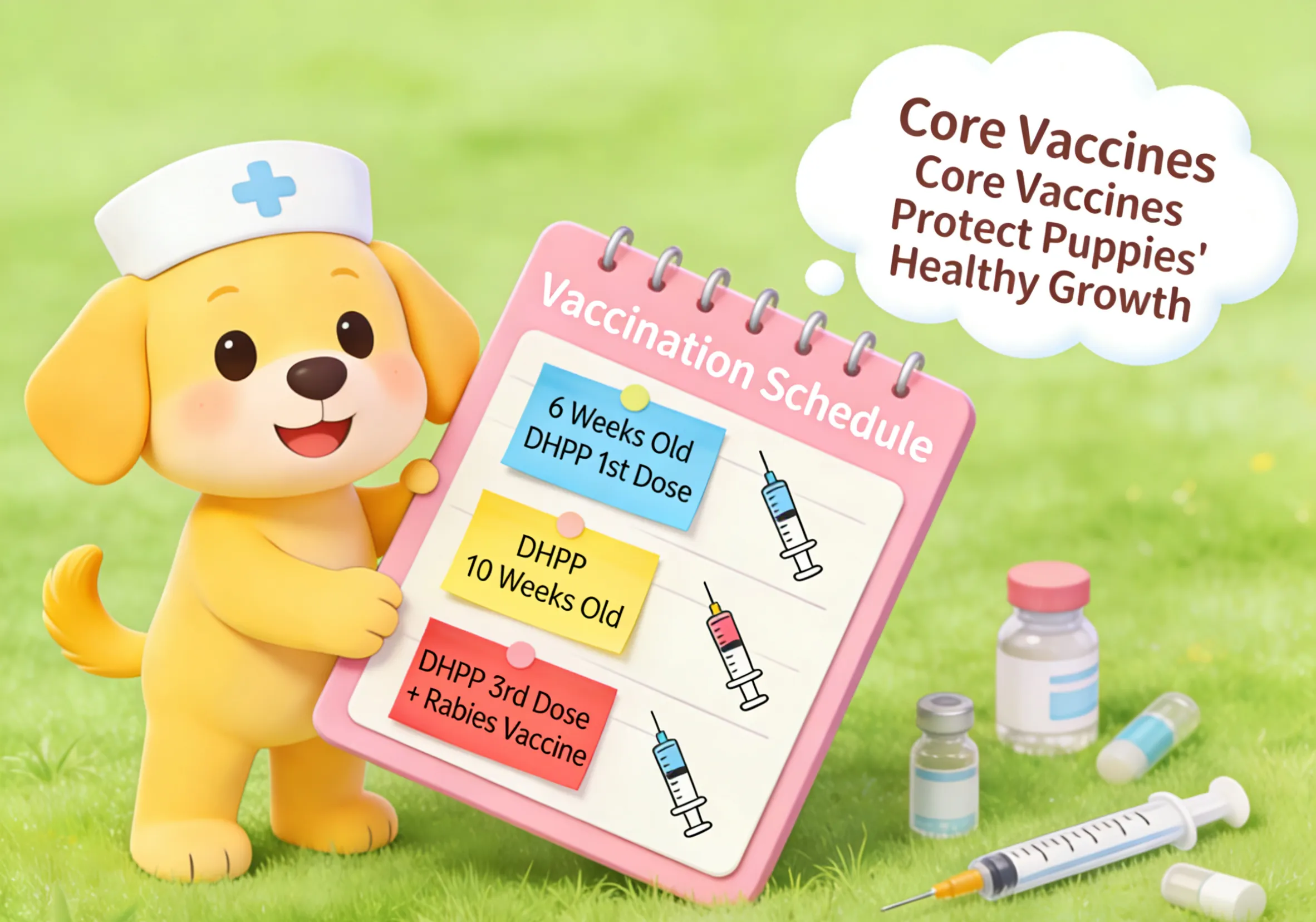
Complete puppy vaccination schedule visual guide
Detailed Vaccine Information: What Each Shot Protects Against
| Vaccine | Disease Protected | Transmission Method | Symptoms & Risk | Mortality Rate (Untreated) |
|---|---|---|---|---|
| Distemper | Canine Distemper Virus | Airborne, direct contact | Fever, respiratory, neurological | 50-80% |
| Parvovirus | Canine Parvovirus | Fecal-oral, contaminated surfaces | Severe vomiting, bloody diarrhea | 91% in puppies |
| Adenovirus | Infectious Hepatitis | Urine, feces, saliva | Liver failure, eye damage | 10-30% |
| Parainfluenza | Kennel Cough component | Airborne, direct contact | Coughing, respiratory distress | Low, but spreads rapidly |
| Rabies | Rabies Virus | Bite from infected animal | Neurological, always fatal | 100% |
| Leptospirosis | Bacterial infection | Contaminated water, urine | Kidney/liver failure, zoonotic | 10-20% |
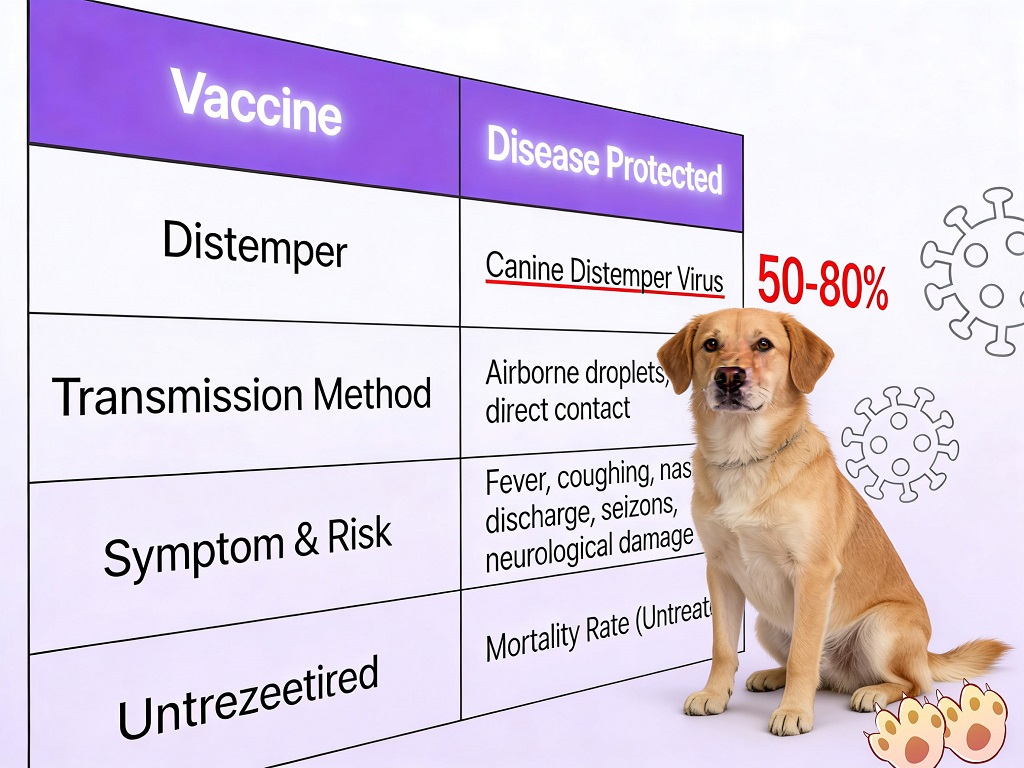
Core vaccines (required) vs. Lifestyle vaccines (optional)
Non-Core (Lifestyle) Vaccines: Do Your Puppy Needs These?
Decision Factors for Non-Core Vaccines:
Bordetella (Kennel Cough):
- Recommended if: Boarding, grooming, dog parks, classes
- Schedule: Every 6-12 months
- Forms: Injectable, intranasal, oral
- Cost: $20-$45 per dose
Lyme Disease:
- Recommended if: Living in/visiting tick areas
- Schedule: Initial + booster, then annual
- Important: Does NOT replace tick prevention
- Effectiveness: 60-86%
Leptospirosis:
- Recommended if: Rural areas, standing water, wildlife
- Zoonotic: Can spread to humans
- Schedule: Two initial doses, then annual
- Reaction risk: Slightly higher than core vaccines
Canine Influenza:
- Recommended if: Doggy daycare, shows, urban areas
- Strains: H3N2 and H3N8
- Schedule: Two doses 2-4 weeks apart, then annual
- Effectiveness: Reduces severity and spread
Cost Analysis: Budgeting for Puppy Vaccinations
| Service Type | Low-Cost Clinic | Private Practice | Mobile Vet | Shelter/Rescue |
|---|---|---|---|---|
| Initial Exam | $25-$50 | $50-$100 | $60-$90 | Included in adoption |
| DHPP Vaccine | $20-$30 | $40-$70 | $35-$60 | $15-$25 |
| Rabies Vaccine | $15-$25 | $25-$50 | $30-$45 | $10-$20 |
| Leptospirosis | $20-$30 | $30-$50 | $25-$40 | $15-$25 |
| Bordetella | $20-$30 | $30-$50 | $25-$40 | $15-$25 |
| Complete Puppy Series | $100-$180 | $250-$450 | $200-$350 | $50-$150 |
Safety First: Socialization vs. Vaccination Balance
SAFE Activities (Before Full Vaccination):
- Carry puppy in public for exposure
- Playdates with known vaccinated dogs
- Puppy classes with vaccination requirements
- Your own fenced backyard (if no stray access)
- Visits to friends' homes without pets
- Car rides with proper restraint
AVOID Until Fully Vaccinated:
- Dog parks or public parks
- Pet stores (carry or use cart)
- Areas with unknown dog traffic
- Neighborhood walks on ground
- Dog beaches or hiking trails
- Any area with stray animals
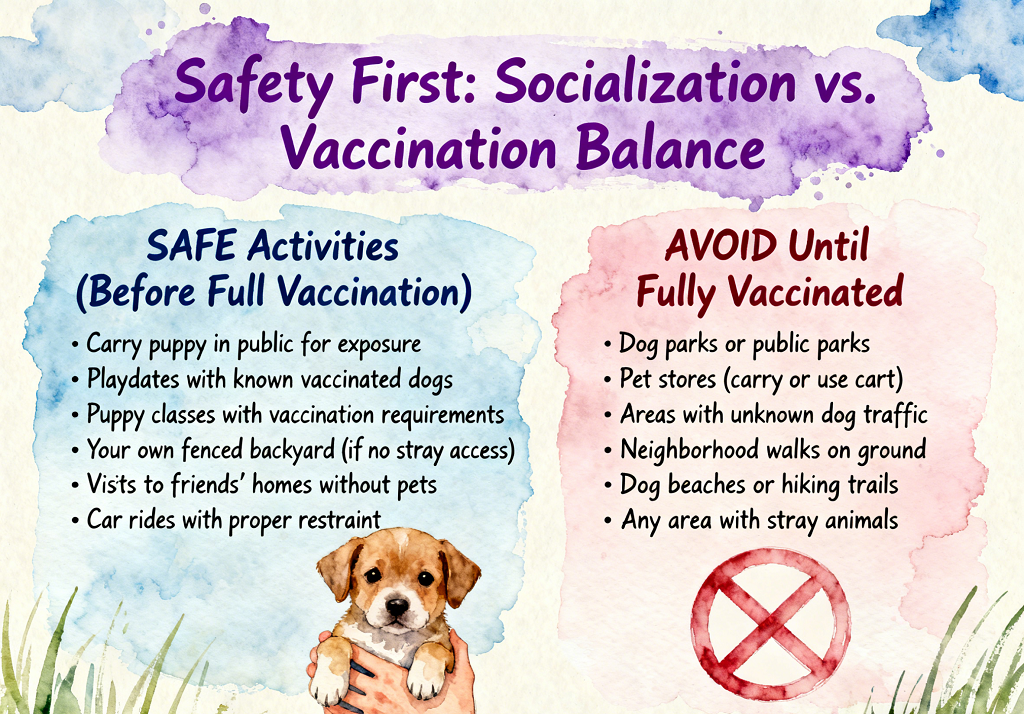
What's safe and what to avoid before full vaccination
Vaccine Reactions: What's Normal vs. Emergency
Normal Reactions (24-48 hours):
- Mild lethargy or tiredness
- Slight fever (under 103°F)
- Reduced appetite for one meal
- Mild swelling at injection site
- Mild discomfort when touched
- Sneezing (after intranasal vaccine)
- Small, firm lump at injection site
- Sleeping more than usual
Emergency Reactions (Contact Vet IMMEDIATELY):
- Facial swelling or hives
- Severe vomiting or diarrhea
- Difficulty breathing
- Collapse or loss of consciousness
- Persistent crying or pain
- Severe lethargy lasting >48 hours
- Seizures or neurological signs
- Fever over 104°F
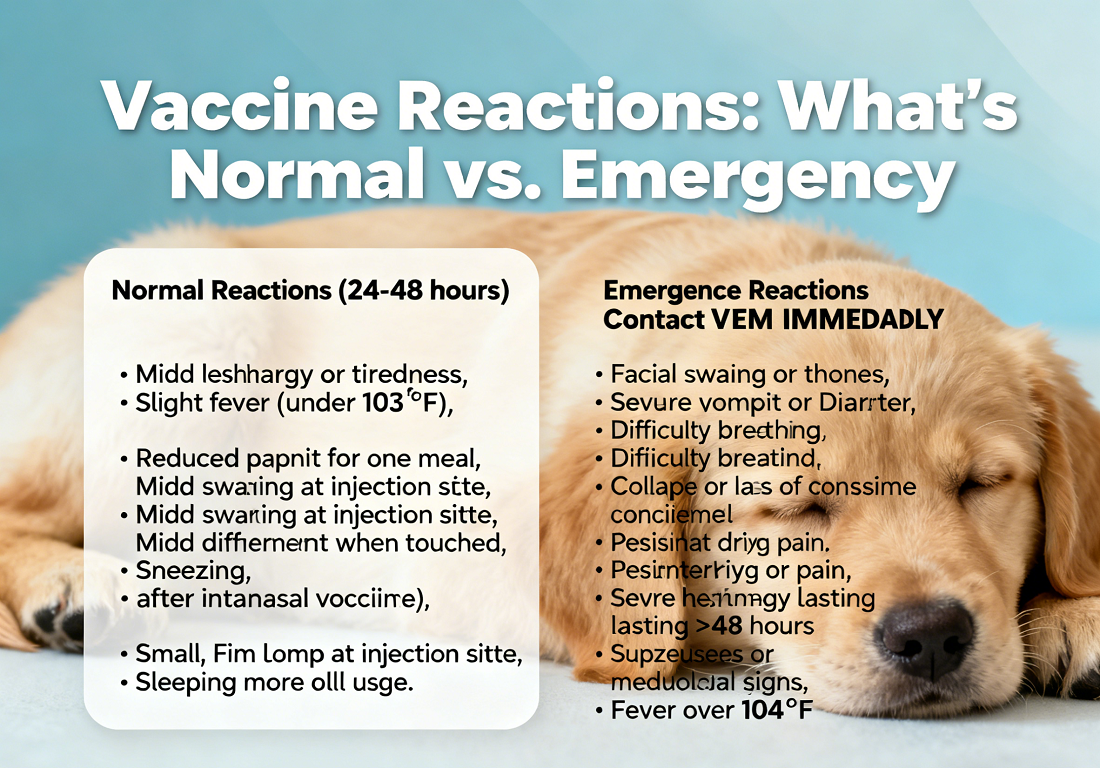
Know what to expect and when to call the vet
Common Vaccine Questions Answered by Veterinarians
Q: Can I delay vaccines if money is tight?
A: Core vaccines should NEVER be delayed. Many communities offer low-cost options, payment plans, or CareCredit. Treating preventable diseases costs 10-100x more than prevention. Contact local shelters about vaccine clinics.
Q: Are titer tests a good alternative to vaccines?
A: Titer tests measure antibodies but have limitations: they're expensive ($100-$200), don't measure cellular immunity, and aren't accepted for rabies compliance. Most vets recommend following standard protocols.
Q: My puppy missed a vaccine - restart the series?
A: Generally no. If less than 6 weeks overdue, continue where you left off. If longer, your vet may recommend restarting some series. Never guess - consult your veterinarian.
Q: Can I give vaccines myself to save money?
A: Not recommended. Vaccines require proper storage, handling, and administration. Vets also provide vital health checks, parasite prevention, and legal documentation. Mistakes can be costly or fatal.
Special Considerations for Different Puppy Situations
| Situation | Vaccine Adjustments | Special Precautions | Timeline Notes |
|---|---|---|---|
| Shelter/Rescue Puppies | May need earlier start (4-6 weeks) | Higher disease exposure risk | Often start vaccines early |
| Small/Toy Breeds | Same vaccines, smaller doses sometimes | Higher reaction risk - monitor closely | May space out vaccines |
| Previously Unvaccinated Older Puppies | May need only 2 DHPP doses | Test for existing immunity | Rabies based on age, not weight |
| Immunocompromised Puppies | Modified schedule, killed vaccines only | Consult veterinary specialist | May delay until healthier |
Final Pre-Vaccination Checklist
Before First Vet Visit:
- ✓ Research and select a veterinarian
- ✓ Gather any existing medical records
- ✓ Prepare questions about vaccine protocol
- ✓ Schedule appointment for morning (allows monitoring)
- ✓ Fast puppy 2-3 hours before (reduces vomiting risk)
- ✓ Bring stool sample for parasite testing
- ✓ Have carrier or secure harness for transport
- ✓ Bring favorite treats for positive association
- ✓ Note any health concerns or behaviors
- ✓ Have payment method ready (ask about estimates)
Record Keeping: Essential Documents to Maintain
Keep These Records Safe:
- Vaccination certificates (signed by vet)
- Rabies certificate and tag number
- Microchip registration paperwork
- Receipts for tax-deductible expenses
- Vet contact information
- Emergency clinic contact info
You'll Need Proof For:
- Boarding facilities and doggy daycare
- Grooming appointments
- Training classes
- Dog parks (some require proof)
- Travel (airlines, hotels)
- Homeowner's insurance
Conclusion: Your Puppy's Health is Worth the Investment

The reward of proper vaccination: a healthy, happy adult dog
Following a proper vaccination schedule is one of the most important investments you'll make in your puppy's long-term health and happiness. While it requires time, money, and planning, the protection it provides against deadly diseases is invaluable.
Remember that your veterinarian is your best partner in this process. They'll consider your puppy's individual needs, local disease risks, and lifestyle factors to create a personalized vaccination plan. Don't hesitate to ask questions and voice any concerns you have—an informed owner makes the best decisions for their pet.
"An ounce of prevention is worth a pound of cure—nowhere is this truer than with puppy vaccinations. The small investment in vaccines today prevents immeasurable heartache and expense tomorrow."
About the Author
Dr. Michael Chen is a licensed veterinarian with over 18 years of clinical experience specializing in preventive care and immunology. He has served as the veterinary advisor for several animal welfare organizations and has helped develop vaccination protocols used by shelters and clinics nationwide.