Puppy Teething Guide: How to Survive the Chewing Phase

Understanding and managing puppy teething helps owners survive this challenging but temporary phase
The Complete Guide to Managing Puppy Teething and Chewing
Puppy teething is a challenging but normal developmental phase that typically lasts from 3 to 8 months. This comprehensive guide provides practical solutions, safe chew recommendations, training techniques, and pain relief methods to help you and your puppy navigate this period while protecting your belongings and building good lifelong habits.
"Teething isn't misbehavior—it's a biological necessity. Understanding the process helps us respond with empathy while guiding puppies toward appropriate chewing choices."
— Dr. Amanda Chen, Veterinary Dentist
Understanding Puppy Teething Stages and Timeline
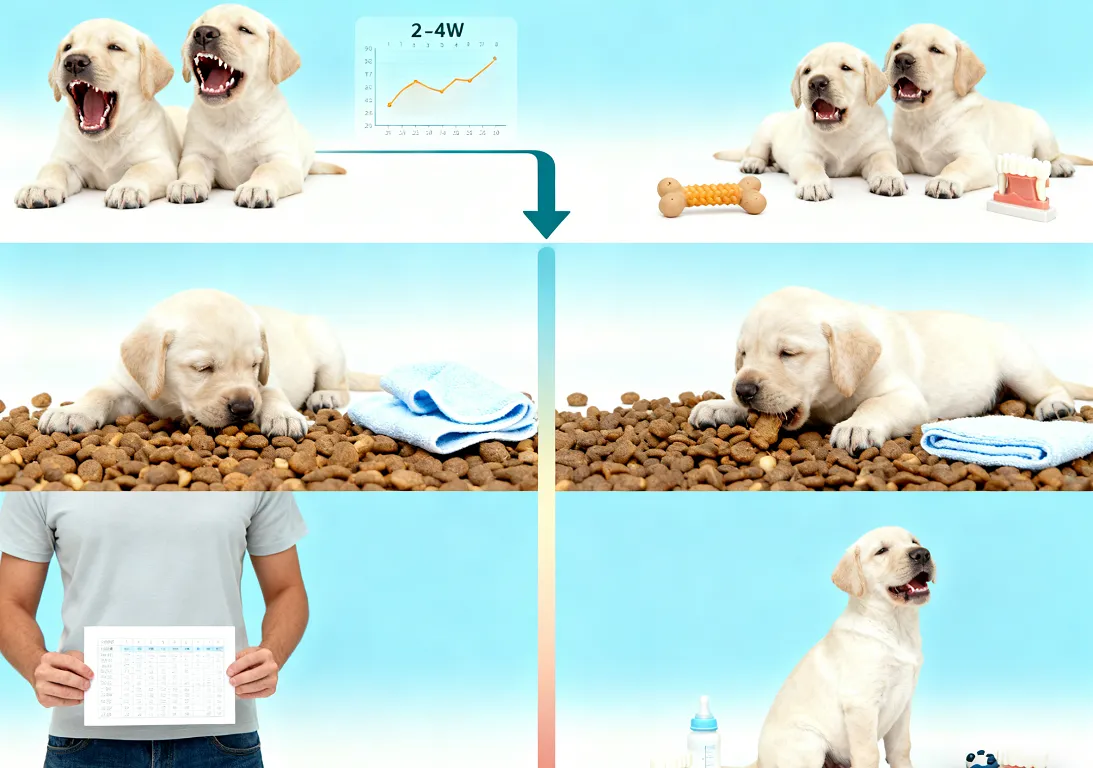
Puppy teething follows a predictable timeline with specific behaviors at each stage
| Age Range | Developmental Stage | Teeth Involved | Common Behaviors | Owner Support Strategies |
|---|---|---|---|---|
| 2-4 Weeks | Deciduous (baby) teeth erupt | Incisors first, then canines, premolars | Beginning to explore mouthing, nursing discomfort | Breeder responsibility - soft food introduction |
| 3-4 Months | Baby teeth fully in (28 teeth) | All baby teeth present | Exploratory chewing, beginning of bite inhibition learning | Start chew training, provide appropriate toys |
| 4-6 Months | Baby teeth fall out, adult teeth emerge | Incisors first, then canines, premolars, molars | Intense chewing, drooling, occasional bleeding gums | Peak need for chew toys, frozen items, supervision |
| 6-8 Months | Adult teeth settling in | 42 adult teeth (all but last molars) | Chewing continues but less intense, exploring jaw strength | Continue training, transition to adult chew toys |
| 8-12 Months | Teething completion | Last molars emerge, jaw matures | Chewing habits established, testing boundaries | Solidify good habits, address any remaining issues |
Safe vs. Dangerous Chew Toys: What to Provide and Avoid
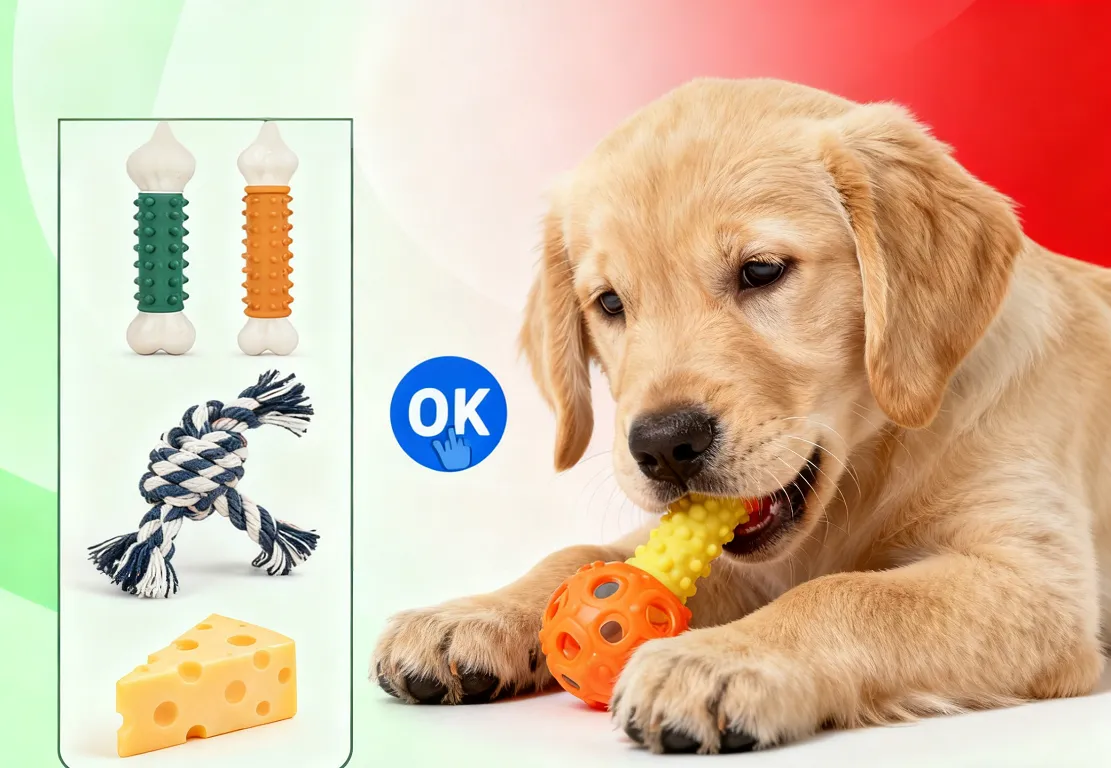
Choosing appropriate chew toys is crucial for puppy safety during teething
Recommended Safe Chew Options:
Soft/Malleable Chews (Early Teething):
- Rubber Kong toys: Stuff with frozen wet food
- Silicone teething rings: Made for human babies (BPA-free)
- Soft rope toys: Supervised use only, watch for fraying
- Plush toys with crinkly sounds: For gentle chewers only
- Food-dispensing toys: Provides mental stimulation too
Firm/Textured Chews (Peak Teething):
- Frozen washcloths: Soak in broth, freeze
- Rubber chew toys with nubs: Massages gums
- Nylon bones: Designed for teething puppies
- Edible chews: Puppy-specific, easily digestible
- Ice cubes/crushed ice: Great for sore gums
Dangerous Items to Avoid:
- Antlers, bones, hooves: Too hard - can fracture teeth
- Rawhide: Choking/blockage risk, chemical concerns
- Sticks/wood: Splinter hazard, digestive blockage
- Human plush toys: Not made for chewing, dangerous filling
- Old shoes/slippers: Teaches chewing on similar items
- Plastic children's toys: Break into sharp pieces
- Tennis balls: Abrasive on enamel, choking if torn
- Cow hooves: Extremely hard, splinter hazard
- Cooked bones of any kind: Splinter internally
- Anything harder than your fingernail: General rule
Pain Relief and Comfort Strategies for Teething Puppies
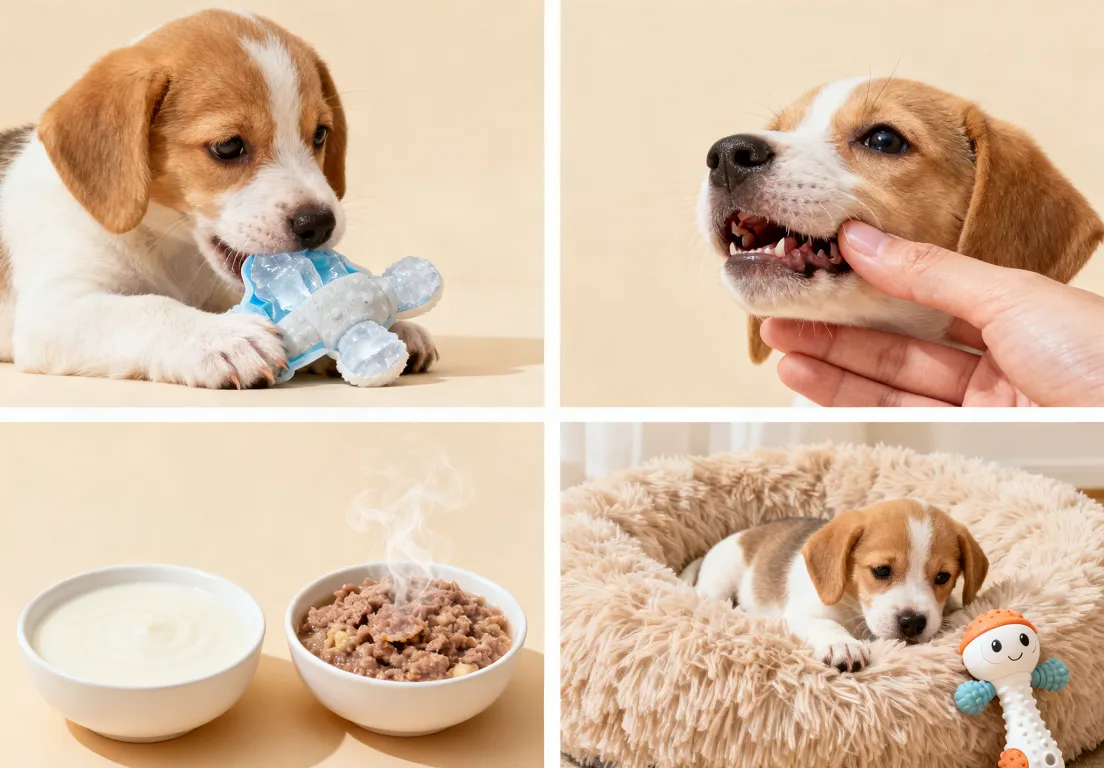
Multiple comfort strategies can help soothe sore gums during peak teething
| Method | How to Prepare/Use | When to Use | Effectiveness | Safety Notes |
|---|---|---|---|---|
| Cold Therapy | Freeze wet washcloth, carrot, banana; offer cold items | During peak chewing times, after naps | High - numbs gums, reduces inflammation | Supervise to prevent eating fabric/plastic |
| Massage | Gently rub gums with clean finger or soft cloth | When puppy is calm, before bedtime | Moderate - increases circulation, comfort | Stop if puppy seems painful, watch for biting |
| Teething Gels | Veterinary-approved gels applied to gums | Before difficult times (crate time, alone time) | Varies - some puppies respond well | Avoid human teething gels (can be toxic) |
| Soft Foods | Soak kibble, offer wet food, frozen broth cubes | Mealtimes, when refusing regular food | High - reduces chewing discomfort while eating | Maintain nutritional balance, consult vet |
| Distraction | Interactive play, training sessions, walks | When chewing inappropriate items begins | High for behavior redirection | Doesn't address pain, just redirects behavior |
Training Techniques to Redirect Inappropriate Chewing
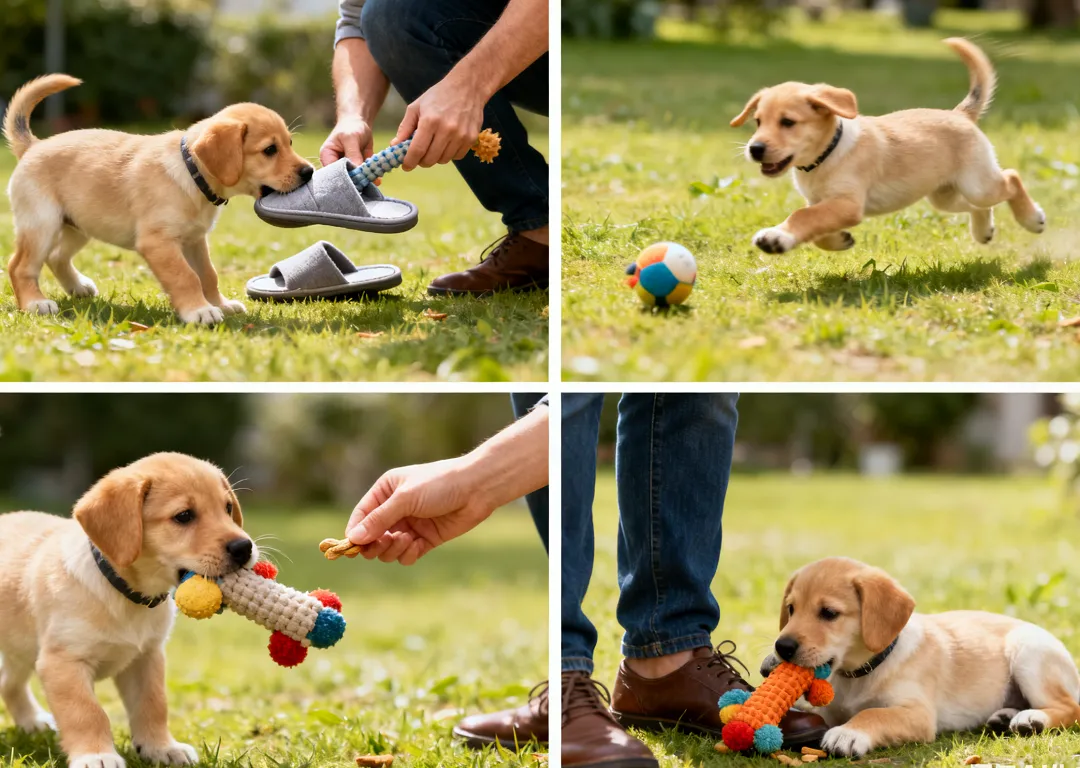
The trade-up method teaches puppies to exchange forbidden items for appropriate toys
The "Trade-Up" Method:
Step-by-Step Training:
- Always have a high-value chew toy ready
- When puppy chews wrong item: Say "Oops!" cheerfully
- Immediately offer approved chew toy
- When puppy takes toy: Praise enthusiastically
- Practice repeatedly: Consistency builds habit
Common Mistakes to Avoid:
- Grabbing item from mouth (creates resource guarding)
- Punishing after the fact (puppy won't understand)
- Inconsistent responses (sometimes yes, sometimes no)
- Not puppy-proofing environment (setting up for failure)
- Using old household items as toys (confusing message)
Puppy-Proofing Your Home During Teething Phase
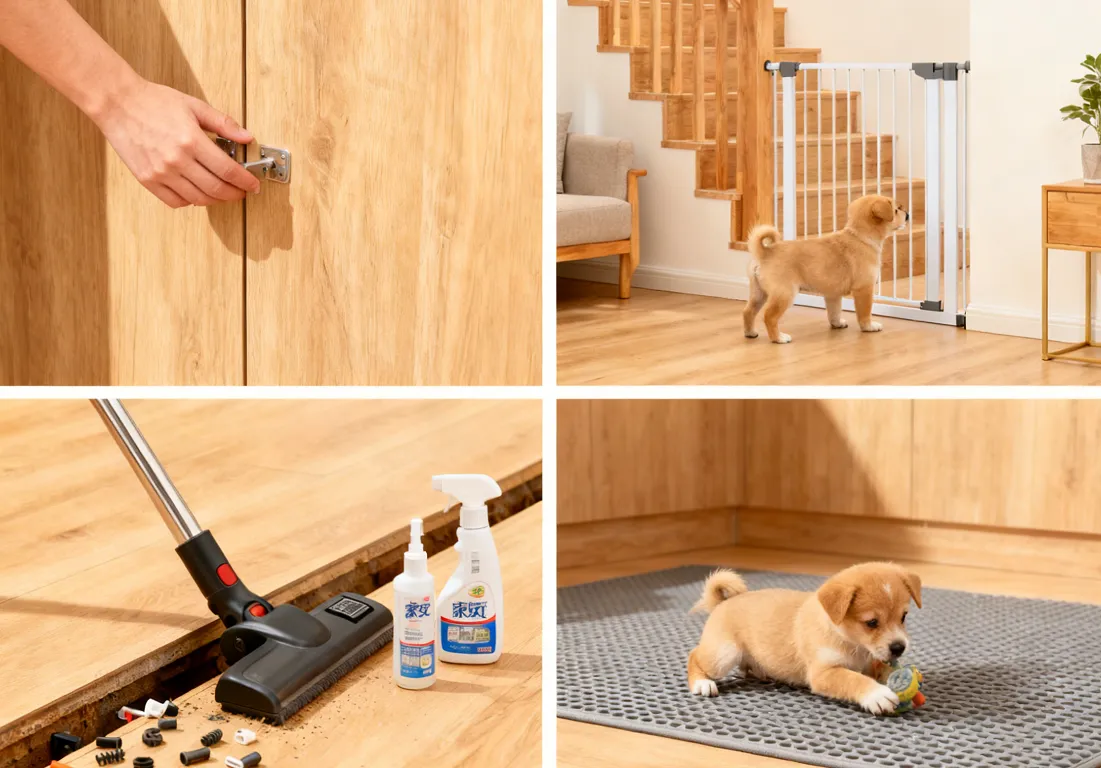
Proper puppy-proofing prevents dangerous chewing and protects your home
| Area of Home | Common Hazards | Protection Strategies | Alternative Chewing Options | Supervision Level Required |
|---|---|---|---|---|
| Living Room | Furniture legs, electrical cords, remotes, books | Bitter apple spray, cord covers, furniture guards | Chew toy basket in each room, variety of textures | Constant when loose in room |
| Bedroom | Shoes, clothing, bedding, wood furniture | Closed closets, shoes in bins, x-pen confinement | Designated chew station with rotated toys | High - many tempting items |
| Kitchen/Dining | Table legs, chair rungs, cabinets, trash | Baby gates, cabinet locks, trash can with lid | Food puzzle toys, frozen treats during meal prep | Extreme - many dangers |
| Home Office | Cables, paper, wood furniture, plants | Cable organizers, elevated plants, closed doors | Interactive toys for when you're working | Direct supervision or confinement |
| Outdoor Areas | Plants, mulch, sticks, garden tools | Fenced play area, remove hazards, supervise | Outdoor-safe chew toys, digging pit | Constant - many unknown hazards |
Bite Inhibition Training During Teething
Teaching Gentle Mouthing:
- Yelp & Withdraw: High-pitched "Ow!" when bitten too hard
- Brief Time-Out: Turn away/leave room for 30 seconds
- Resume Play: Return with appropriate chew toy
- Progress Gradually: Lower tolerance as puppy learns
- All Humans Consistent: Same response from everyone
What NOT to Do:
- Physical punishment: Increases fear, not understanding
- Mouth holding/shutting: Creates negative associations
- Yelling: Can excite puppy more
- Playing rough with hands: Mixed messages
- Allowing some biting sometimes: Inconsistency confuses
Chew Toy Rotation System to Maintain Interest
| Toy Category | Examples | When to Use | Rotation Frequency | Safety Check Frequency |
|---|---|---|---|---|
| Comfort Chews | Soft rubber, plush, silicone | Quiet times, crate time, bedtime | Every 2-3 days | Daily - check for tears, loose parts |
| Interactive Chews | Food puzzles, treat balls, stuffed Kongs | Alone time, when you need puppy occupied | Daily - different challenges | Before each use |
| Dental Chews | Textured rubber, dental sticks | After meals, daily dental care routine | Every 1-2 weeks | Weekly - check for wear |
| Training Rewards | Small, soft chews, freeze-dried treats | Training sessions, redirection rewards | Keep 2-3 types available | Monthly - ensure freshness |
| Special Occasion | Long-lasting chews, new toy types | When extra challenging, vet visits, grooming | As needed for novelty | Before each use |
When Teething Behaviors Signal Health Problems
Normal vs. Concerning Symptoms:
- Normal: Mild bleeding, increased drooling, chewing desire
- Normal: Occasional whining, reduced appetite briefly
- Normal: Finding baby teeth (swallowed usually fine)
- Concerning: Excessive bleeding that doesn't stop
- Concerning: Refusal to eat/drink for over 24 hours
Veterinary Attention Needed For:
- Persistent bad breath despite cleaning
- Red, swollen, or bleeding gums consistently
- Baby teeth not falling out (retained deciduous teeth)
- Adult teeth growing in crooked or misaligned
- Puppy crying in pain, not just discomfort
Breed-Specific Teething Considerations
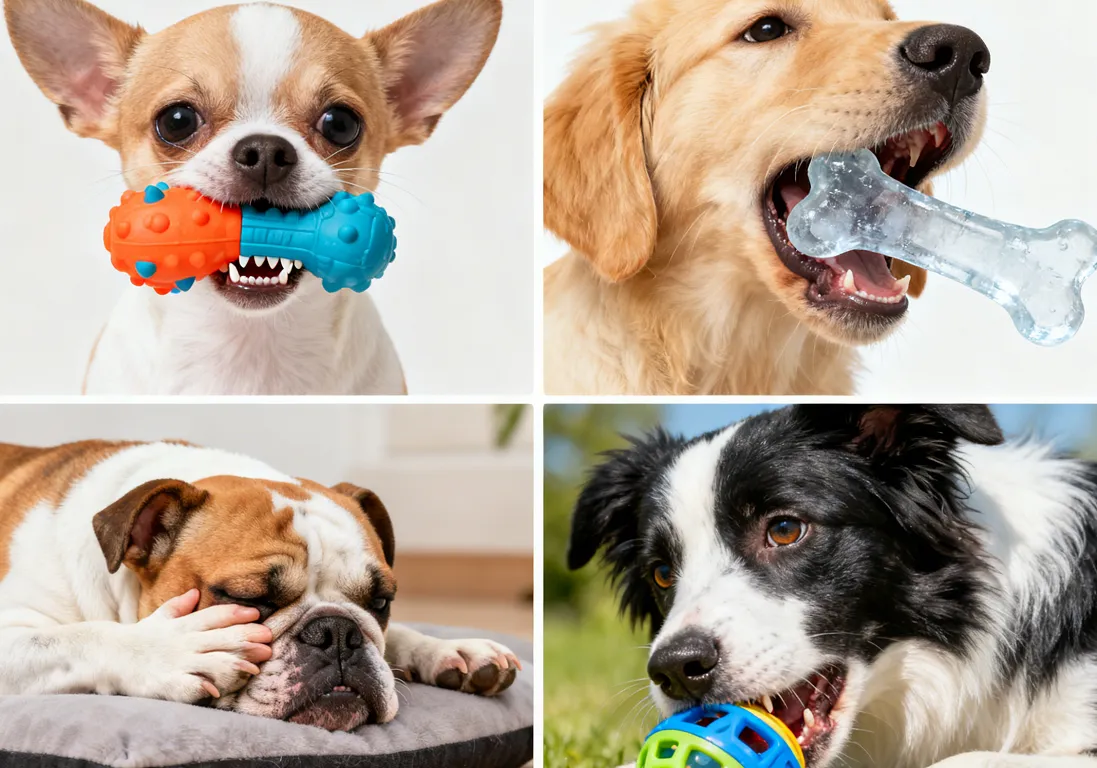
Different breeds have unique teething challenges requiring tailored approaches
| Breed Type | Teething Characteristics | Common Challenges | Recommended Chew Types | Special Considerations |
|---|---|---|---|---|
| Small/Toy Breeds (Yorkies, Chihuahuas) |
Smaller jaws, teeth closer together | Retained baby teeth, dental crowding | Small, soft chews, dental toys for small mouths | May need baby teeth extracted by vet |
| Medium Breeds (Beagles, Cocker Spaniels) |
Standard teething timeline | Typical chewing intensity, furniture targeting | Variety of textures, medium-sized chew toys | Monitor for normal progression |
| Large Breeds (Labs, German Shepherds) |
Stronger jaws, more chewing power | Destructive chewing, faster toy destruction | Durable rubber, larger sizes, edible chews | Extra supervision needed due to damage potential |
| Giant Breeds (Great Danes, Mastiffs) |
Extended teething, slower jaw development | Extended chewing phase, increased drooling | Extra-large, extremely durable chews | May teethe until 12+ months, be patient |
| Bully/Molar Breeds (Bulldogs, Boxers) |
Powerful crushing jaws, broad mouths | Destroys toys quickly, needs extreme durability | Industrial-strength rubber, thick nylon | Never give items that can be swallowed whole |
Creating Positive Chewing Habits for Life
Foundation Training:
- Designated chew times: After meals, before bed
- Chew toy commands: "Get your toy" association
- Storage routine: Toys in basket, not scattered
- Supervision reduction: Gradually increase trust
- Adolescent transition: Shift to adult-appropriate chews
Long-Term Management:
- Continue providing appropriate chew outlets
- Regular dental check-ups starting at 1 year
- Maintain chew toy rotation to prevent boredom
- Address stress chewing (different from teething)
- Adjust as dog ages (senior dogs have different needs)
Emergency Situations: When Chewing Becomes Dangerous
Immediate Veterinary Care Needed If:
- Puppy swallows non-food item (plastic, fabric, toy part)
- Broken tooth with pulp exposure (pink/red center)
- Choking on chew toy or piece of toy
- Bleeding from mouth that doesn't stop with pressure
- Signs of intestinal blockage (vomiting, no bowel movements)
First Aid for Chewing Emergencies:
- Choking: Modified Heimlich for dogs, then vet
- Broken tooth: Save piece if possible, vet immediately
- Mouth cuts: Clean with saline, pressure, vet if deep
- Swallowed object: Don't induce vomiting, vet immediately
- Always have: Vet ER number, pet first aid kit ready
Conclusion: This Phase is Temporary
The puppy teething phase, while challenging, is a temporary period that typically peaks around 6 months and significantly improves by 8 months. Your patience, consistency, and understanding during this time will help your puppy develop healthy chewing habits that last a lifetime while preventing destructive behaviors.
Remember that chewing is a natural, necessary canine behavior—the goal isn't to eliminate chewing, but to direct it toward appropriate items. By providing plenty of suitable outlets, puppy-proofing your home, and using positive training methods, you'll not only survive the teething phase but also strengthen your bond with your puppy through this shared challenge.
"Teething puppies aren't being 'bad'—they're responding to biological discomfort. Our job is to guide them toward appropriate solutions while keeping them safe and comfortable through this developmental milestone."
About the Author
Jessica Williams, DVM, DACVD is a board-certified veterinary dentist with 12 years of experience specializing in canine dental development. She has treated thousands of teething puppies and developed teething management protocols used by breeders and veterinary practices nationwide.