Preparing Your Home for a Newly Adopted Dog: Essential Checklist
A well-prepared home creates a safe, welcoming environment for your newly adopted dog's successful transition
The Ultimate Home Preparation Guide for Your New Dog
Bringing home a newly adopted dog is an exciting milestone, but proper preparation is key to a smooth transition. This comprehensive checklist ensures your home is safe, welcoming, and perfectly prepared for your new furry family member.
"Preparation prevents problems. A well-prepared home reduces stress for both you and your new dog, setting the foundation for a successful adoption."
— Jessica Miller, Certified Dog Behavior Consultant
Timeline: When to Start Preparing
Follow this timeline to ensure everything is ready before your new dog arrives
| Time Before Adoption | Preparation Tasks | Priority Level |
|---|---|---|
| 2-4 Weeks Before | Research, create budget, gather essential supplies | High |
| 1-2 Weeks Before | Complete home dog-proofing, set up designated areas | High |
| 3-7 Days Before | Final purchases, emergency contact setup | Medium |
| The Day Before | Final safety check, prepare first-day essentials | High |
Essential Supplies Checklist
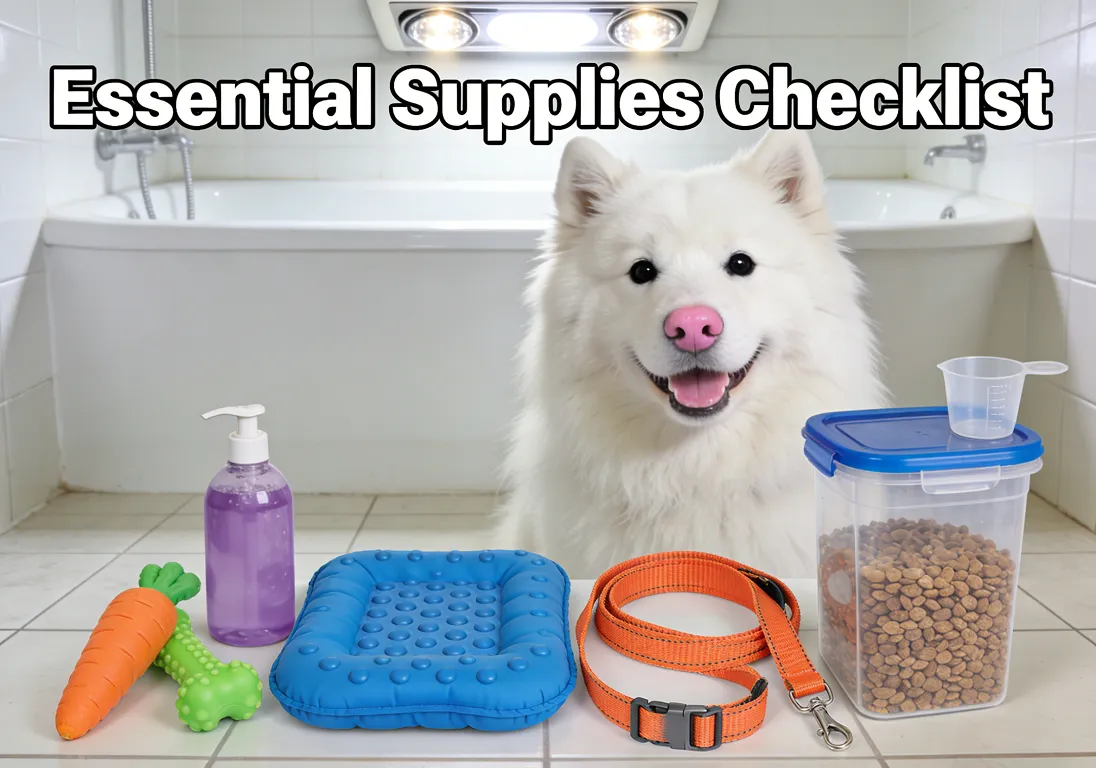
Gather these essential supplies to ensure your new dog has everything they need
Must-Have Items (Purchase Before Adoption):
Food and Water:
- Food and water bowls: Stainless steel or ceramic (avoid plastic)
- Initial dog food: Ask shelter what they've been feeding
- Treats: Small, soft training treats
- Food storage container: Airtight to maintain freshness
Safety and Identification:
- Collar with ID tags: Include your phone number immediately
- Harness: For better control during walks
- Leash: 6-foot standard leash (no retractable for new dogs)
- Microchip: Ensure shelter registers it with your information
Rest and Comfort:
- Dog bed: Place in quiet area away from traffic
- Crate (optional but recommended): Proper size for safe space
- Blankets: Washable, several for rotation
Comprehensive Dog-Proofing Checklist
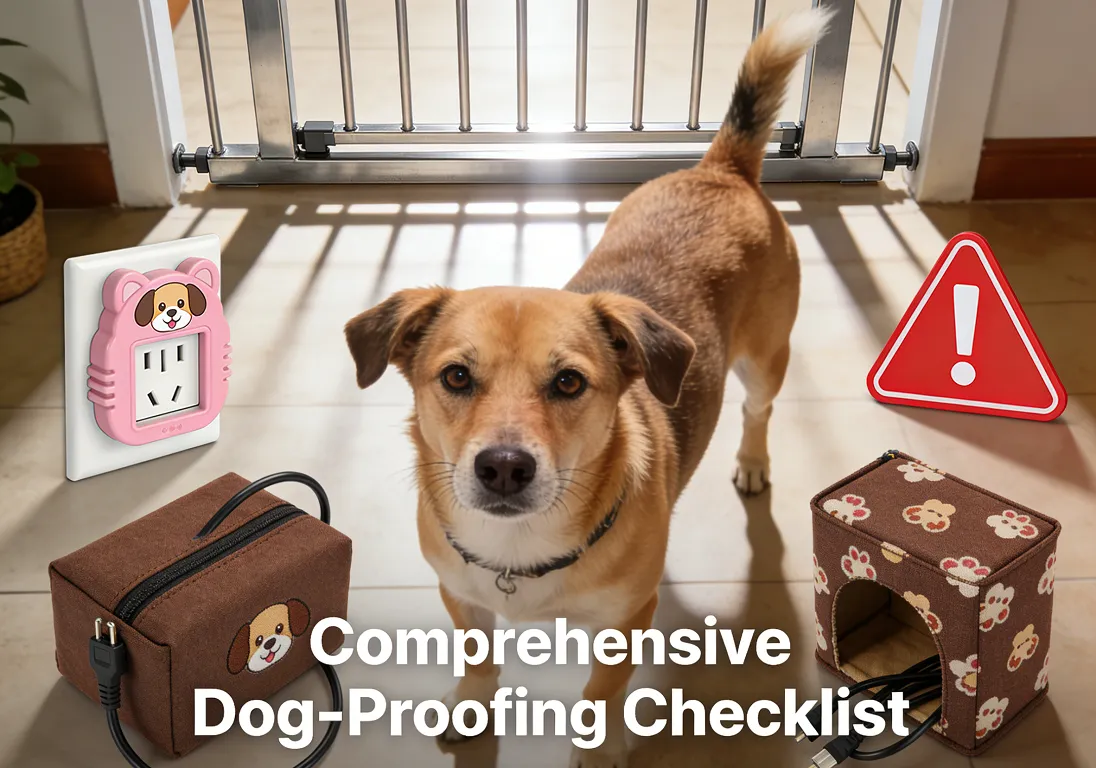
Safeguard every room in your home to protect your new dog from potential dangers
Kitchen and Dining Areas:
Safety Measures:
- Secure trash cans with locking lids or keep in cabinet
- Install child locks on lower cabinets
- Keep countertops clear of food
- Store cleaning products in high or locked cabinets
- Unplug small appliances when not in use
Food Safety:
- Know toxic foods: chocolate, grapes, onions, xylitol
- Keep pantry doors closed
- Store pet food in sealed containers
- Designate "off-limits" eating areas
Living Room and Common Areas:
| Area | Potential Hazards | Safety Solutions |
|---|---|---|
| Electrical | Cords, outlets, power strips | Cord covers, outlet covers, cord organizers |
| Furniture | Chewable legs, unstable items | Bitter apple spray, secure unstable furniture |
| Plants | Toxic houseplants | Research toxicity, move to high shelves |
| Small Objects | Remotes, toys, decorations | Keep on high surfaces, use storage baskets |
Bedrooms and Private Spaces:
Preparation Steps:
- Keep laundry in hampers with lids
- Store medications in secure locations
- Keep shoes in closets or on high shelves
- Secure window blind cords out of reach
- Consider baby gates for room restriction if needed
Creating Designated Areas in Your Home
Resting/Sleep Area:
- Quiet location away from heavy traffic
- Comfortable bed with blankets
- Access to water nearby
- Low lighting for relaxation
- Consider crate training area
Feeding Station:
- Easy-to-clean floor surface
- Away from high-traffic areas
- Mat under bowls to catch spills
- Accessible but not in kitchen pathway
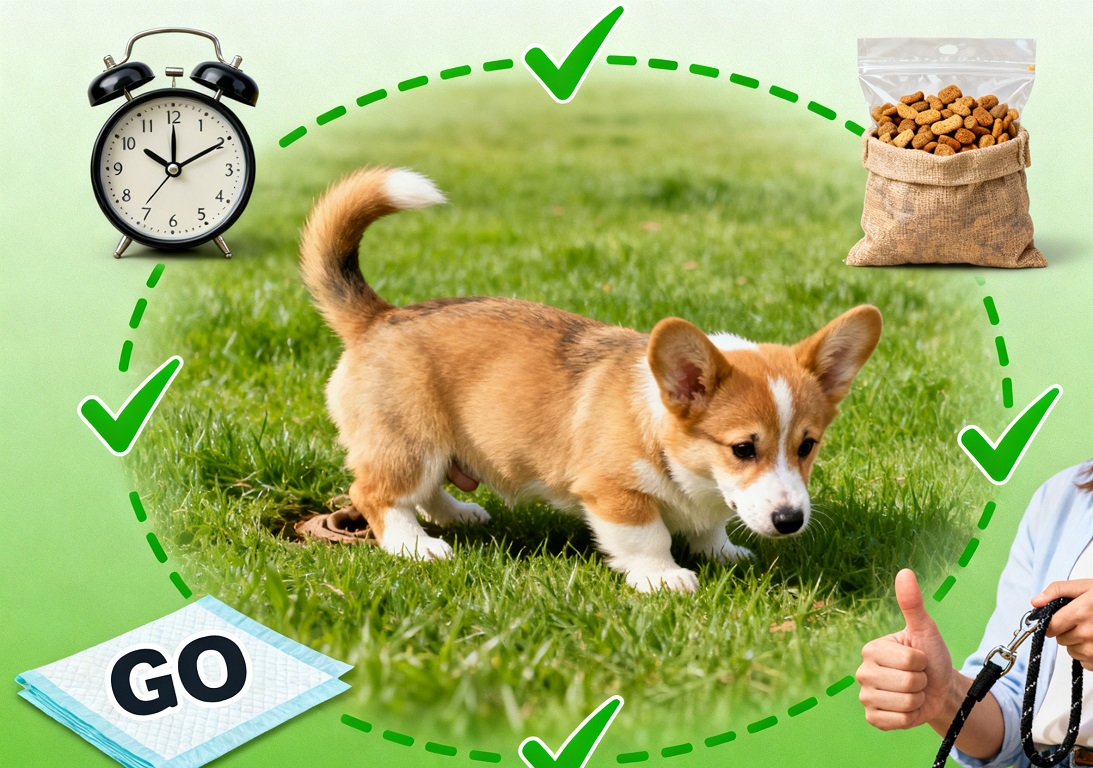
Potty Area (if applicable):
- Consistent outdoor location
- Easy access from main door
- Consider indoor grass patch for apartments
- Keep cleaning supplies nearby
Safety Preparations Checklist
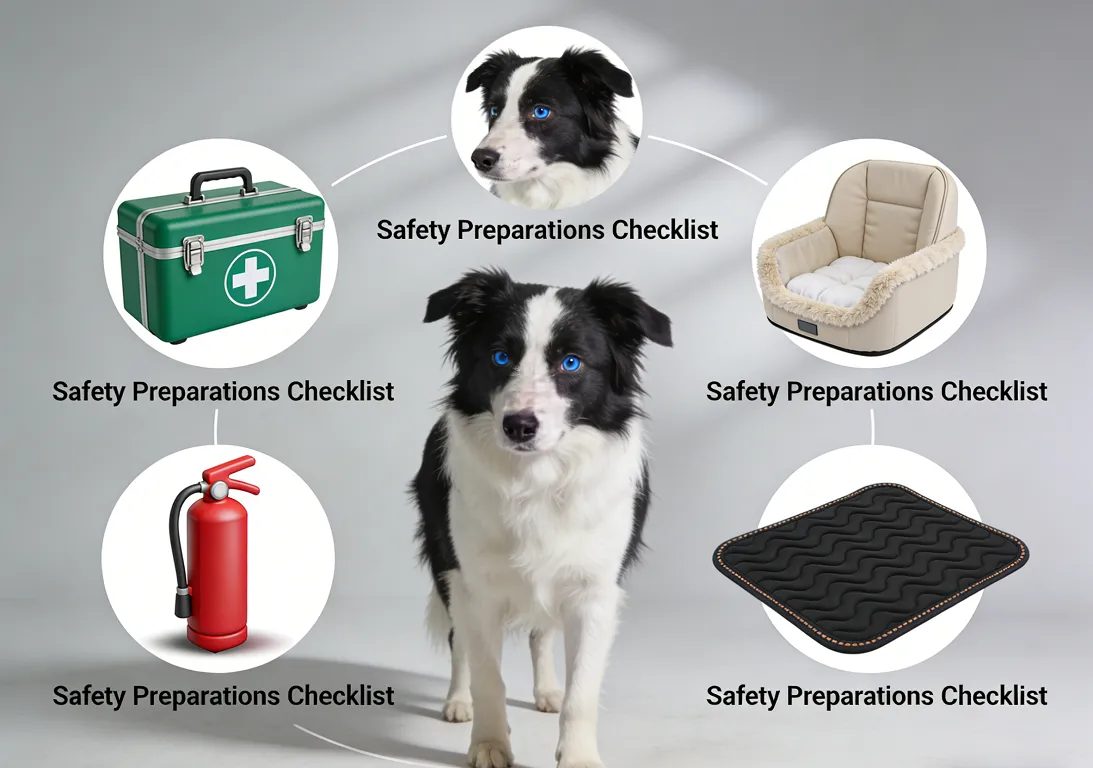
Be prepared for emergencies with these essential safety preparations
Emergency Preparedness:
Emergency Contacts:
- Veterinarian (research and choose before adoption)
- 24-hour emergency veterinary clinic
- Animal poison control hotline: (888) 426-4435
- Trusted neighbor or pet sitter
First Aid Kit Essentials:
- Gauze pads and rolls
- Antiseptic wipes
- Digital thermometer (pet-specific)
- Hydrogen peroxide (for inducing vomiting - vet direction only)
- Tweezers and nail clippers
- Emergency blanket
- Copy of vaccination records
Home Safety Items:
- Carbon monoxide and smoke detectors (check batteries)
- Secure fencing around yard
- Window screens in good repair
- Safe space during storms/fireworks
Yard and Outdoor Preparation
| Area | Safety Check | Preparation Needed |
|---|---|---|
| Fencing | Height appropriate for dog size, no gaps, secure gates | Repair gaps, install locks, check for dig spots |
| Plants | Remove toxic plants (lilies, azaleas, etc.) | Research plant toxicity, remove or fence off |
| Chemicals | Fertilizers, pesticides, pool chemicals | Store in locked shed, use pet-safe alternatives |
| Water Sources | Pools, ponds, standing water | Pool covers, fence water features |
| Shade/Shelter | Protected areas from sun and rain | Provide doghouse or covered patio area |
Family Preparation and Rules
Family Meeting Topics:
- Assign feeding/walking responsibilities
- Establish house rules (furniture allowed?)
- Discuss training consistency
- Plan for introduction to existing pets
- Set visiting restrictions for first week
Children Preparation:
- Teach gentle handling techniques
- Establish "quiet zones" for dog
- Explain importance of not disturbing eating/sleeping dog
- Practice walking with leash (for older children)
- Discuss appropriate play activities
Special Considerations for Different Dogs
Based on Dog Type:
Puppies:
- More extensive puppy-proofing needed
- Smaller confinement areas
- Puppy-specific toys (teething appropriate)
- More frequent potty area access
Senior Dogs:
- Ramps for furniture access
- Orthopedic bedding
- Non-slip floor surfaces
- Easy access to food/water
Special Needs Dogs:
- Medical supply storage
- Mobility assistance devices
- Quiet, low-stimulation environment
- Medication schedule system
The First 24-Hour Preparation
| Time Period | Preparation Tasks | What to Avoid |
|---|---|---|
| Before Pickup | Set up safe room, prepare leash/collar, have treats ready | Last-minute shopping, major cleaning with strong chemicals |
| Car Ride Home | Secure carrier or harness, bring old towel, water | Loud music, multiple stops, unrestrained dog |
| First Hours Home | Quiet introduction, show potty area, offer water | Overwhelming with attention, introducing to all rooms immediately |
| First Evening | Light meal, gentle walk, establish bedtime routine | Large gatherings, forcing interaction, changes to routine |
Budget Planning Checklist
Initial Setup Costs:
- Essential supplies: $200-$500
- Home modifications: $50-$300
- Initial vet visit: $100-$300
- Training classes: $100-$250
- Adoption fees: $50-$400
Monthly Ongoing Costs:
- Food: $40-$100
- Preventative medications: $20-$80
- Treats and toys: $20-$50
- Grooming: $30-$80 (or supplies)
- Pet insurance: $30-$70 (optional)
Final Pre-Adoption Checklist
24 Hours Before Adoption:
- ✓ Complete home safety walk-through
- ✓ Set up designated dog areas
- ✓ Purchase initial food supply
- ✓ Program emergency numbers in phone
- ✓ Schedule vet appointment (first week)
- ✓ Prepare "go bag" for adoption day
- ✓ Notify neighbors about new pet
- ✓ Finalize family rules and responsibilities
- ✓ Charge phone/camera for first day photos
- ✓ Get good rest - big day ahead!
Common Mistakes to Avoid
Preparation Pitfalls:
- Underestimating time commitment for training and adjustment
- Not researching breed-specific needs if known
- Skipping the home safety audit (every room matters)
- Forgetting to prepare existing pets for new arrival
- Overlooking small hazards like electrical cords or small objects
- Not having a backup plan for unexpected situations
Conclusion: Preparation Leads to Success
Thorough home preparation is one of the most important steps in ensuring a successful dog adoption. By creating a safe, welcoming environment before your new dog arrives, you reduce stress for everyone involved and set the stage for a smooth transition.
Remember that flexibility is key. Your new dog may have different preferences or needs than anticipated. Observe their behavior and be willing to adjust your setup accordingly. The goal is to create an environment where your new companion feels secure, loved, and part of the family from day one.
"A prepared home is a happy home - for both you and your new dog. The time you invest in preparation pays dividends in reduced stress and faster bonding."
About the Author
David Rodriguez is a professional dog trainer and adoption counselor with 12 years of experience helping families prepare for new pets. He has worked with over 500 rescue organizations and developed comprehensive preparation protocols that have been adopted by shelters nationwide.