Post-Adoption Support
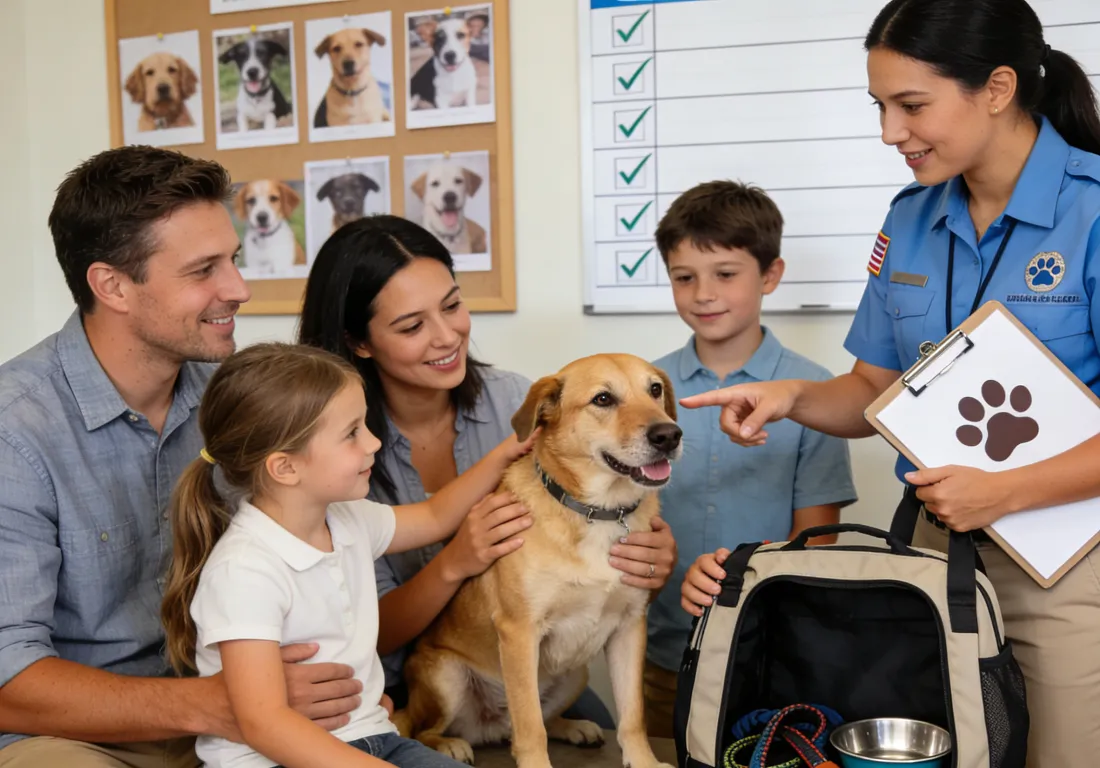
Comprehensive post-adoption support ensures a successful transition and lifelong bond with your rescue dog
The Complete Guide to Supporting Your Rescue Dog After Adoption
The first weeks and months after adoption are crucial for building a successful lifelong relationship. This comprehensive guide provides essential resources, strategies, and support systems to help you and your new rescue dog navigate the adjustment period, address challenges, and create a strong, lasting bond.
"Adoption day isn't the finish line—it's the starting gate. The real work of building trust and security begins when you walk through your front door together."
— Dr. Elena Martinez, Veterinary Behaviorist
The 3-3-3 Rule: Understanding Your Dog's Adjustment Timeline

The 3-3-3 rule helps adopters understand and navigate the predictable stages of rescue dog adjustment
| Time Period | What Your Dog is Experiencing | Common Behaviors | Your Role as Adopter | Support Strategies |
|---|---|---|---|---|
| First 3 Days | Overwhelm, anxiety, uncertainty | Shutdown, hiding, not eating, testing boundaries | Provide safety, establish routine, limit stimulation | Quiet environment, predictable schedule, no expectations |
| First 3 Weeks | Beginning to settle, learning routine | Starting to show personality, may test limits | Consistent routine, begin basic training, build trust | Positive reinforcement, gradual exposure, patience |
| First 3 Months | Feeling secure, showing true personality | Behavior patterns established, bond strengthening | Address any issues, solidify training, build partnership | Professional help if needed, continued consistency |
| Beyond 3 Months | Full integration, established routine | Comfortable in home, predictable behavior patterns | Maintain training, provide enrichment, lifelong care | Ongoing mental/physical stimulation, regular vet care |
Essential Post-Addition Veterinary Care Timeline
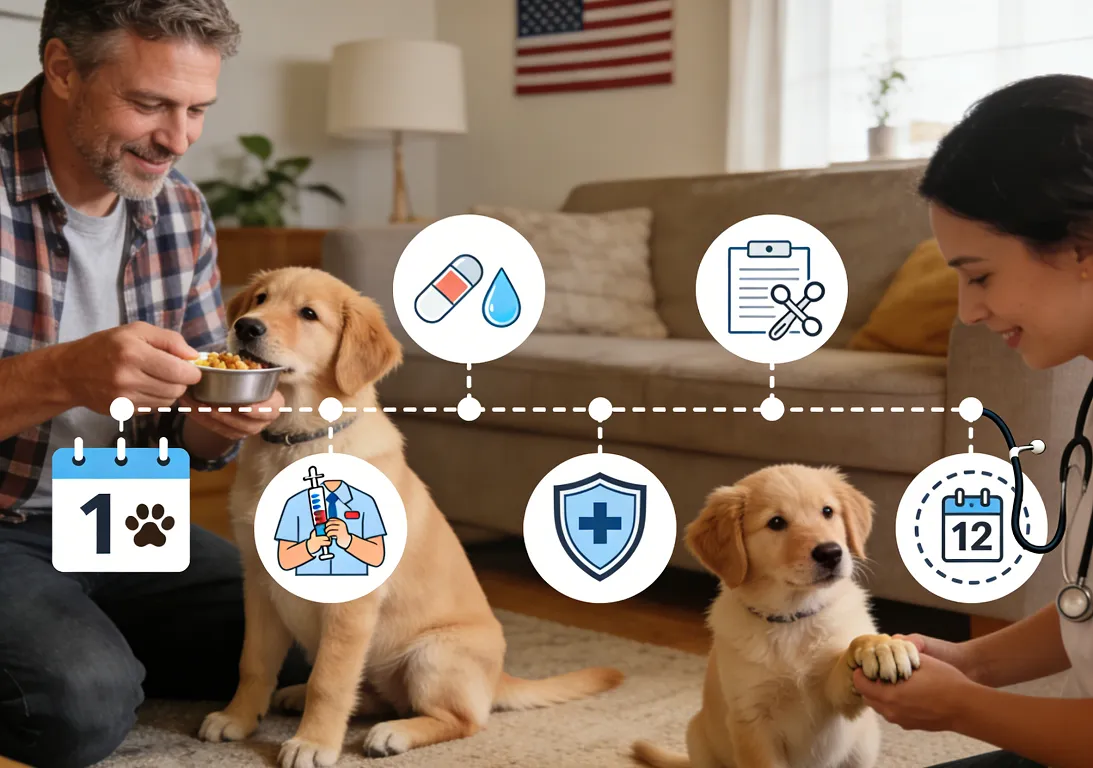
Proactive veterinary care during the first year establishes a foundation for lifelong health and wellness
Critical Veterinary Appointments:
Within First 72 Hours:
- Establishment visit: Meet your veterinarian
- Health assessment: Physical exam, weight check
- Record transfer: Bring all shelter medical records
- Preventative care: Discuss heartworm/flea prevention
- Microchip verification: Ensure chip is working and registered to you
2-4 Weeks After Adoption:
- Follow-up exam: Assess adjustment, address concerns
- Vaccination schedule: Complete any needed boosters
- Dental assessment: Oral health evaluation
- Nutrition review: Adjust food if needed for weight/health
- Behavioral discussion: Address any emerging issues
3-6 Months After Adoption:
- Comprehensive exam: Full physical, blood work if needed
- Spay/neuter follow-up: If recently performed
- Chronic condition management: Begin treatment if needed
- Insurance activation: Most policies have waiting periods
- Long-term care plan: Discuss aging, preventative measures
Ongoing Care:
- Annual wellness exams: Essential for early problem detection
- Vaccination boosters: As recommended by your vet
- Dental cleanings: Typically needed annually
- Senior care: More frequent monitoring as dog ages
- Emergency preparedness: Know your emergency vet options
Common Post-Adoption Challenges and Solutions
| Challenge | Why It Happens | Immediate Response | Long-term Solution | When to Seek Professional Help |
|---|---|---|---|---|
| Separation Anxiety | History of abandonment, new environment fear | Very short absences, calming aids, safe space | Gradual desensitization, routine establishment | Destructive behavior, self-harm, excessive vocalization |
| Housetraining Regression | Stress, new environment, schedule changes | Frequent potty breaks, clean accidents thoroughly | Consistent schedule, positive reinforcement, patience | Medical issues suspected, no progress after 2 weeks |
| Resource Guarding | Past scarcity, survival instinct, insecurity | Don't punish, trade up, manage environment | Positive association training, build security | Aggression escalates, family members at risk |
| Fear/Reactivity | Past trauma, lack of socialization, genetic factors | Avoid triggers, create distance, stay calm | Counter-conditioning, desensitization, confidence building | Reactivity increasing, danger to self/others |
| Leash Pulling/Reactivity | Lack of training, excitement, fear response | Proper equipment, short successful walks | Positive reinforcement training, consistency | Unable to walk safely, aggression on leash |
Building Trust and Bonding with Your Rescue Dog
Trust-Building Activities:
- Hand feeding: Build positive association with your presence
- Choice-based interactions: Let dog approach you first
- Consistent routine: Predictability creates security
- Gentle handling: Positive touch experiences daily
- Quiet time together: Sitting nearby without demands
Bond-Strengthening Exercises:
- Training games: Short, positive sessions daily
- Interactive play: Find what your dog enjoys
- Exploration walks: Let dog sniff and explore safely
- Massage/gentle grooming: Build positive touch associations
- Quiet companionship: Just being together without demands
Stress Signals to Recognize:
- Lip licking, yawning when not tired
- Turning head away, avoiding eye contact
- Low body posture, tail tucked
- Excessive panting when not hot/exercised
- Whale eye (showing whites of eyes)
Comfort/Relaxation Signals:
- Soft eyes, relaxed facial muscles
- Sighing, relaxed body posture
- Seeking proximity voluntarily
- Play bows, loose wagging tail
- Sleeping deeply in your presence
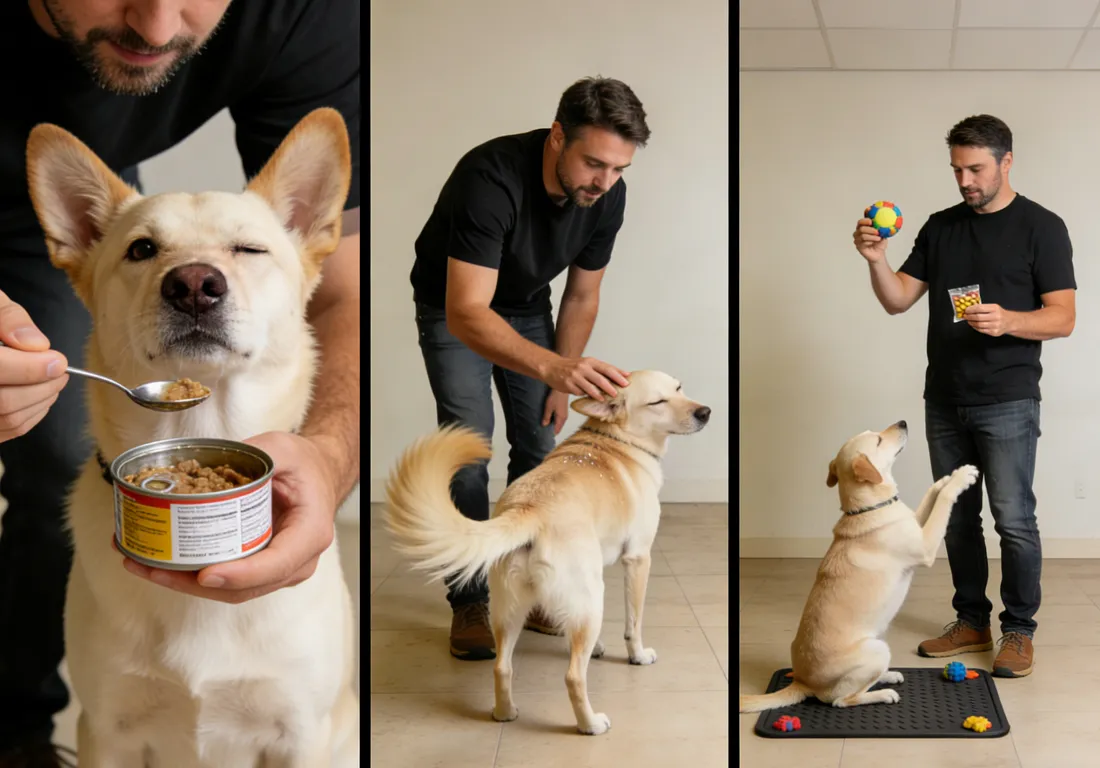
Consistent, gentle interactions build the foundation for a secure, lifelong bond with your rescue companion
Training Resources and Professional Support Options
| Support Type | What It Provides | Cost Range | Best For | Finding Qualified Providers |
|---|---|---|---|---|
| Group Training Classes | Basic obedience, socialization in controlled setting | $100-$300 for 6-8 weeks | Dogs with basic social skills, foundation building | Look for force-free trainers, observe class first |
| Private Training Sessions | Individualized attention, specific behavior issues | $75-$150 per hour | Specific challenges, fearful/reactive dogs | Certifications (CPDT-KA), positive reinforcement methods |
| Behavior Consultants | Complex behavior issues, modification plans | $200-$500 initial consult | Severe anxiety, aggression, complex cases | Board certification (CAAB), veterinary behaviorists |
| Online Training Resources | Flexible learning, variety of topics | Free - $200 for courses | Supplement to in-person training, basic skills | Reputable websites, certified trainers' online programs |
| Rescue-Specific Support | Understanding rescue dogs, adjustment issues | Often free/low cost through rescue | Recent adopters, breed-specific challenges | Adoption organization resources, breed rescue networks |
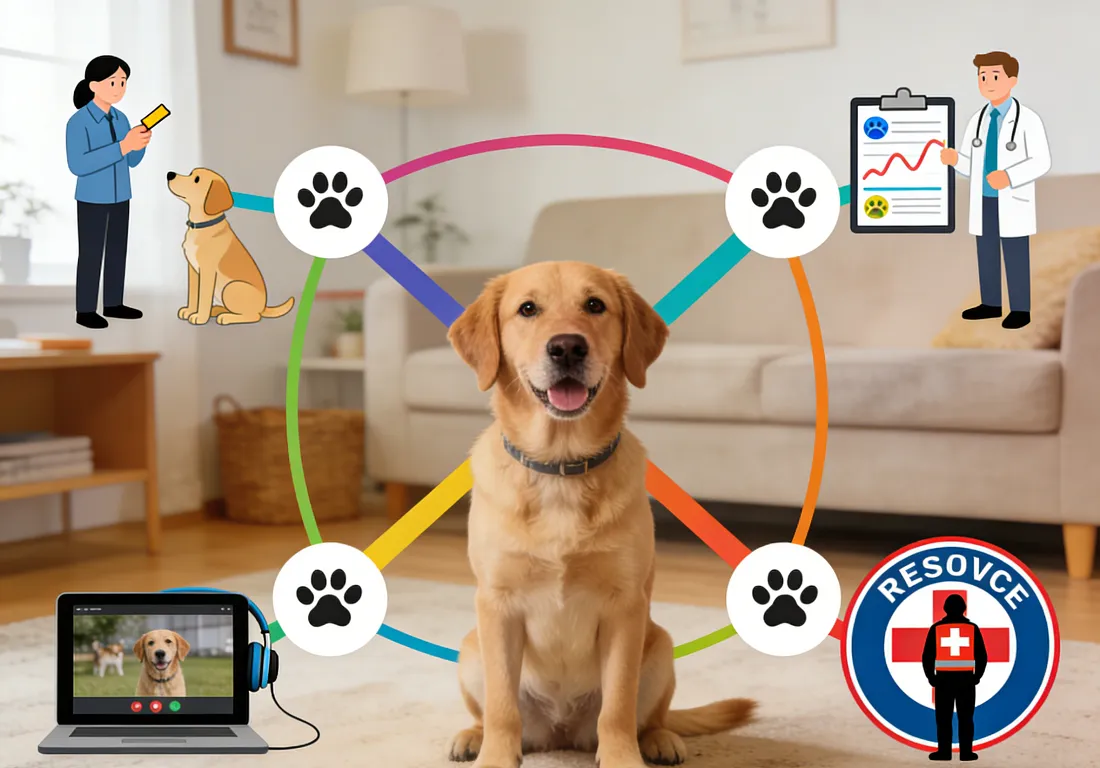
Access to professional support networks ensures adopters have the resources needed for successful long-term relationships
Creating a Safe and Enriching Home Environment
Essential Safety Measures:
- Secure containment: Check fences, use leashes, microchip
- Dog-proofing: Remove hazards, secure trash, safe plants
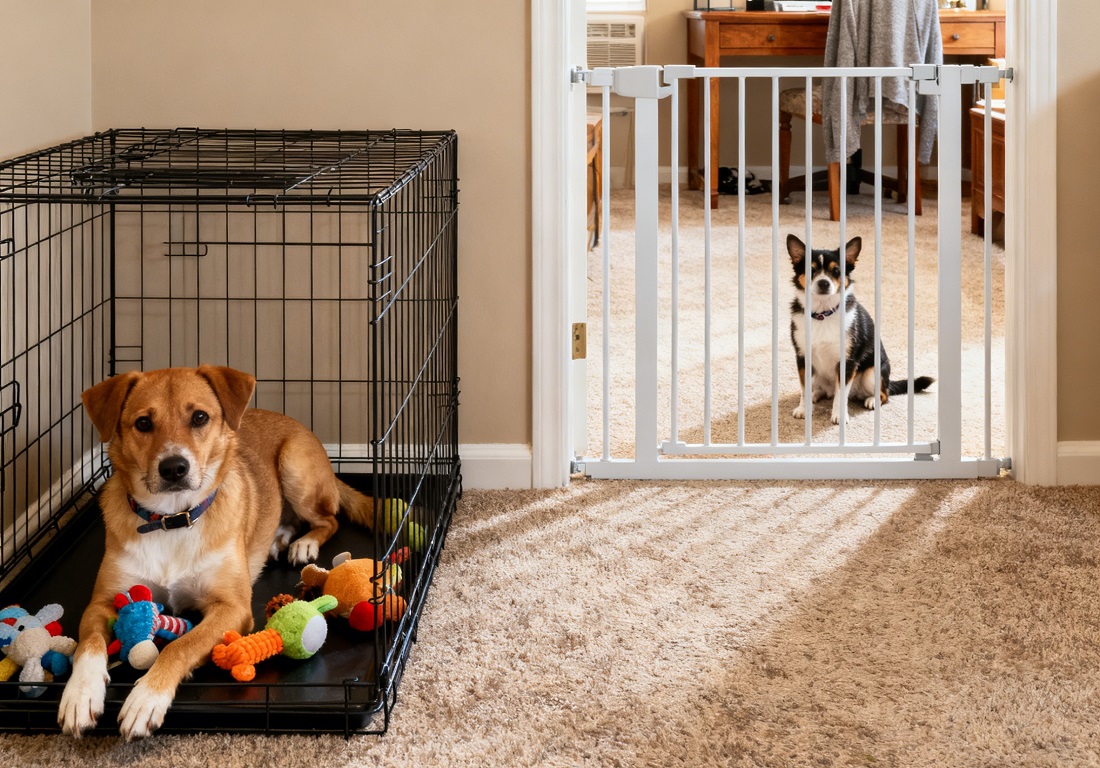
- Safe spaces: Create quiet retreat areas
- Emergency preparedness: First aid kit, vet contacts, evacuation plan
- Proper identification: Collar tags, microchip registered to you
Environmental Enrichment:
- Mental stimulation: Puzzle toys, training games, nose work
- Physical exercise: Appropriate for age/health, varied activities
- Social opportunities: Controlled interactions if dog enjoys them
- Comfort items: Appropriate chew toys, comfortable bedding
- Routine with variety: Predictable schedule with new experiences
Nutrition and Health Maintenance After Adoption
| Health Aspect | Initial Assessment | Ongoing Maintenance | Special Considerations | Warning Signs |
|---|---|---|---|---|
| Nutrition | Transition food gradually, assess body condition | Quality diet appropriate for age/size/activity | Allergies, medical conditions, weight management | Rapid weight change, digestive issues, poor coat |
| Dental Health | Initial dental exam, address immediate needs | Daily tooth brushing, dental chews, annual cleanings | Small breeds more prone to dental issues | Bad breath, difficulty eating, pawing at mouth |
| Exercise & Weight | Assess current fitness, start gradually | Regular appropriate exercise, monitor weight | Age, breed, health conditions affect needs | Lethargy, weight gain, reluctance to exercise |
| Preventative Care | Establish parasite prevention, vaccination plan | Monthly preventatives, annual boosters, regular check-ups | Local disease risks, lifestyle factors | Signs of parasites, exposure to diseases |
| Senior Care | Baseline senior panel if appropriate age | More frequent monitoring, adjusted care | Arthritis, cognitive changes, organ function | Behavior changes, mobility issues, confusion |
Socialization and Integration with Family/Other Pets
Children and Dogs:
- Supervision always: No unsupervised interactions initially
- Teach gentle handling: Guide children in appropriate interaction
- Safe spaces: Dog should have child-free retreat areas
- Reading body language: Teach children to recognize stress signals
- Positive associations: Children giving treats (with supervision)
Multi-Pet Households:
- Gradual introductions: Follow proper introduction protocols
- Separate resources: Food, water, toys, beds initially
- Supervised interactions: Especially during initial months
- Individual attention: Ensure each pet gets one-on-one time
- Watch for stress: In both new and existing pets
Socialization with Outside World:
- Gradual exposure: New people, places, experiences slowly
- Positive associations: Pair new things with treats/praise
- Watch for overwhelm: Short, successful sessions
- Respect boundaries: Not all dogs need to be social butterflies
- Professional guidance: For fear/reactivity issues
Community Integration:
- Neighbor introductions: Controlled, positive meetings
- Local walking routes: Establish safe, predictable routes
- Dog-friendly places: Gradually introduce if appropriate
- Support network: Connect with other dog owners
- Obedience in public: Basic manners for community safety
Crisis Management: When Things Don't Go as Planned
Common Post-Adoption Crises:
- Behavioral emergency: Aggression, severe anxiety, self-harm
- Medical emergency: Unknown condition emerges, accident
- Family crisis: Job loss, moving, relationship changes
- Dog-other pet conflict: Serious aggression between pets
- Escape/loss: Dog gets loose, lost in new area
Crisis Response Resources:
- Rescue organization: First contact for guidance/support
- Emergency vet: Have number programmed, know location
- Behavior hotlines: Some organizations offer crisis support
- Temporary fostering: Some rescues offer emergency placement
- Financial assistance: Organizations that help with emergency costs
Prevention and Preparation:
- Maintain open communication with rescue
- Address issues early before they become crises
- Have emergency fund for unexpected expenses
- Know your support network before you need it
- Regular training and socialization prevent many issues
Long-Term Success: Maintaining a Happy Partnership
Ongoing Relationship Building:
- Continuous learning: Training throughout dog's life
- Quality time: Regular activities you both enjoy
- Health maintenance: Proactive rather than reactive care
- Adaptation: Adjust routines as dog ages/changes
- Celebration: Mark adoption anniversaries, milestones
Community and Support:
- Stay connected: With rescue organization, other adopters
- Share your story: Help educate others about adoption
- Volunteer: Give back to help other rescue dogs
- Continued education: Workshops, reading, learning
- Professional relationships: Maintain with vet, trainer, groomer
Conclusion: Your Lifelong Journey Together
Post-adoption support isn't a short-term phase—it's the foundation of your lifelong relationship with your rescue dog. The challenges you navigate together, the trust you build, and the understanding you develop create a bond that grows stronger with time. Every rescue dog comes with a unique history, but with patience, consistency, and the right support, they can become confident, happy family members.
Remember that asking for help is a sign of responsible ownership, not failure. Whether it's training advice, behavioral support, or just reassurance that what you're experiencing is normal, utilizing available resources will make your adoption journey more successful and rewarding for both you and your dog.
"The most beautiful part of rescue isn't the day you adopt—it's watching a once-insecure dog blossom into a confident companion over weeks, months, and years of consistent love and support."
About the Author
Jennifer Park, MS, CPDT-KA is a certified professional dog trainer and behavior specialist with 12 years of experience focusing on rescue dog rehabilitation. She has developed post-adoption support programs for multiple shelters and regularly conducts workshops for new adopters on successful transition and long-term relationship building.