Leash Training Guide
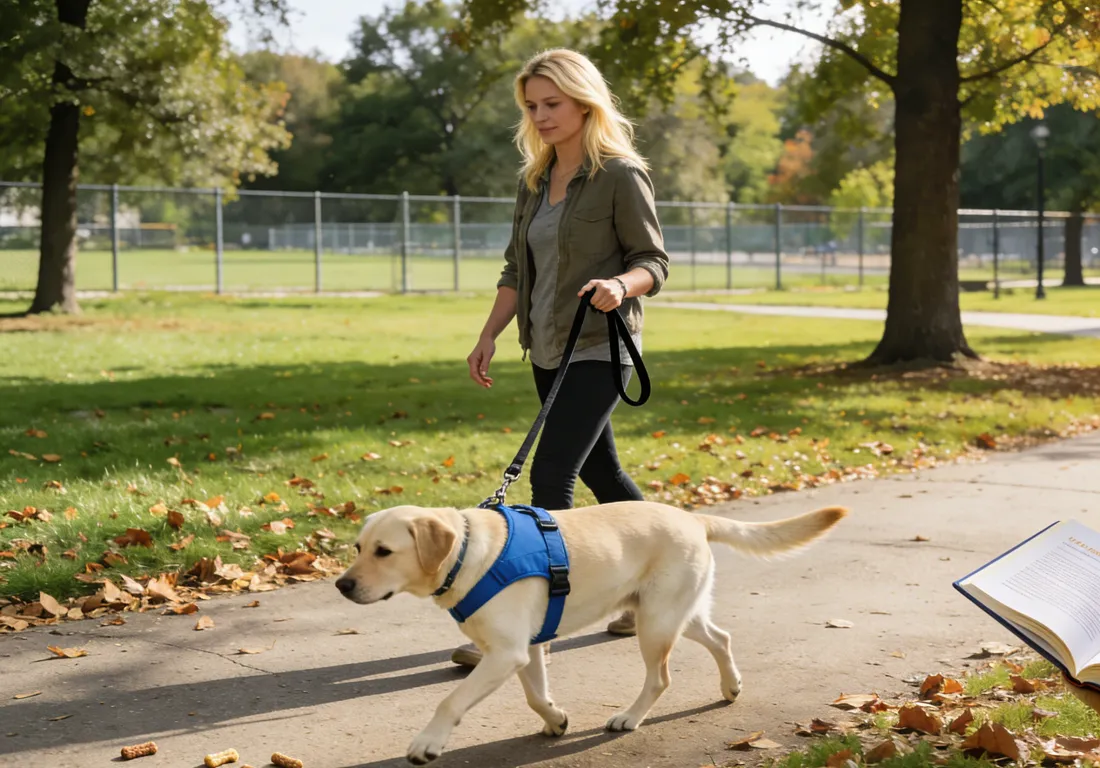
Proper leash training creates enjoyable walks and strengthens the human-canine bond
The Complete Guide to Stress-Free Leash Walking with Your Dog
Leash pulling is one of the most common and frustrating problems dog owners face, but with the right techniques and equipment, you can teach your dog to walk politely on leash. This comprehensive guide provides step-by-step training methods, equipment recommendations, and troubleshooting strategies for enjoyable walks with your canine companion.
"A well-trained leash walk isn't just about control—it's about communication. When you and your dog move together in harmony, walks become a joyful shared experience rather than a daily battle."
— Jessica Miller, Certified Canine Behavior Consultant
Understanding Why Dogs Pull on Leash
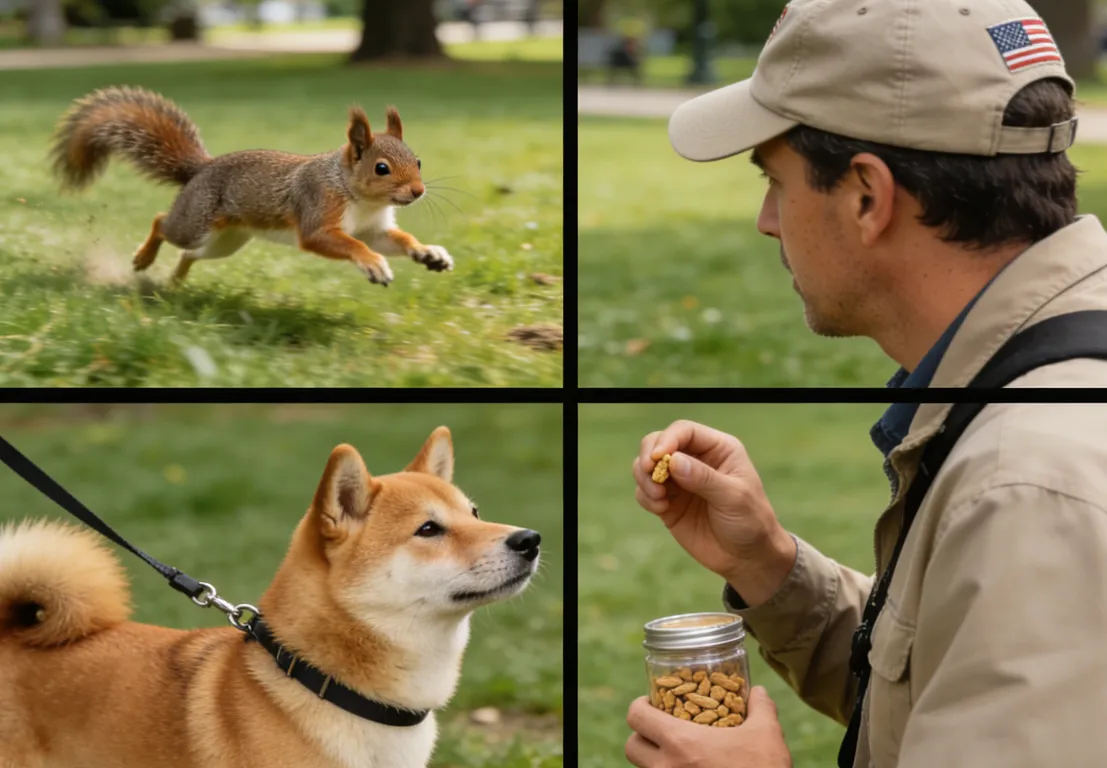
Identifying the root cause of pulling helps tailor the most effective training approach
| Reason for Pulling | Common Triggers | Dog's Perspective | Body Language Signs | Training Approach |
|---|---|---|---|---|
| Excitement/Anticipation | Seeing other dogs, squirrels, favorite parks | "I want to get there faster!" | Forward lean, whining, fast pace | Impulse control training, calm greetings |
| Reinforcement History | Pulling has worked to reach desired locations | "When I pull, I get what I want" | Determined pulling, ignoring handler | Consistent "no forward motion when pulling" rule |
| Fear/Anxiety | Loud noises, unfamiliar environments, crowds | "I need to escape/get away" | Tucked tail, scanning, hesitant movement | Desensitization, creating positive associations |
| Lack of Training | Never taught proper leash manners | "This is how we walk" | Consistent tension, no checking in | Foundation training from beginning |
| Breed/Genetic Tendency | Sled dogs, hunting breeds, working dogs | "Pulling is my job" | Powerful, determined forward motion | Alternative outlets, specialized equipment |
Essential Equipment for Successful Leash Training
Recommended Training Equipment:
Front-Clip Harness:
- How it works: Clip on chest redirects forward motion
- Best for: Moderate to heavy pullers, all size dogs
- Top brands: Freedom No-Pull, Easy Walk, Ruffwear Front Range
- Proper fit: Snug but not tight, check for chafing
- Limitations: Some dogs can still pull effectively
Head Halter (Gentle Leader/Halti):
- How it works: Controls head direction, follows naturally
- Best for: Strong pullers, dogs who lunge
- Proper introduction: Gradual acclimation over 1-2 weeks
- Safety: Never jerk or correct with head halter
- Common issues: Some dogs resist wearing it initially
Standard 6-Foot Leash:
- Material options: Nylon, leather, biothane
- Width recommendations: ½" for small dogs, 1" for large
- Handling technique: Fold excess, don't wrap around hand
- Double-ended leashes: For additional control points
- Color considerations: High-visibility for safety
Training Accessories:
- Treat pouch: Hands-free, quick reward access
- High-value treats: Small, soft, irresistible
- Clicker (optional): For precise timing
- Waist leash/belt: For hands-free training
- Training journal: Track progress, note challenges
Equipment to Avoid or Use with Caution
| Equipment Type | Why It's Problematic | Potential Risks | When (If Ever) to Use | Safer Alternatives |
|---|---|---|---|---|
| Retractable Leashes | Teaches constant tension, handler has less control | Burns, tangles, dogs reaching dangerous areas | Only in large, open, safe areas with trained dogs | Long line (15-30 ft) for controlled freedom |
| Prong/Pinch Collars | Causes pain/discomfort, can increase aggression | Neck injuries, tracheal damage, fear responses | Not recommended by modern trainers | Front-clip harness, positive reinforcement training |
| Choke Chains | Relies on pain/discomfort, poor timing risks | Tracheal collapse, spinal issues, behavioral fallout | Only with expert trainers for specific sports | Martingale collar for dogs who slip collars |
| Shock/E-Collars | Creates fear/pain association, can worsen problems | Increased anxiety, aggression, loss of trust | Only for specific behaviors with veterinary behaviorist | Positive reinforcement, management, training |
| Poorly Fitted Equipment | Causes discomfort, rubbing, potential escape | Skin irritation, choking, equipment failure | Never - always ensure proper fit | Measure properly, adjust regularly, check fit |
The 4-Week Loose Leash Training Program
Week 1: Foundation & Awareness
- Goal: Dog notices leash tension = stopping
- Method: "Be a Tree" - stop immediately when leash tightens
- Environment: Low distraction (backyard, quiet hallway)
- Session length: 5 minutes, 3 times daily
- Success marker: Dog looks back when leash tightens
Week 2: Positive Reinforcement
- Goal: Dog chooses loose leash position
- Method: Mark/reward when leash is loose
- Environment: Same as week 1, add mild distractions
- Reward rate: Every 3-5 steps of loose leash
- Success marker: Dog maintains loose leash 50% of time
Week 3: Adding Cues & Direction Changes
- Goal: Responds to "Let's Go" for re-engagement
- Method: Random direction changes, reward for following
- Environment: Quiet neighborhood street
- Cue training: "Let's Go" when starting after stop
- Success marker: Dog follows direction changes willingly
Week 4: Proofing & Generalization
- Goal: Reliable loose leash in various environments
- Method: Practice in 3-5 different locations
- Environment: Gradually increase distractions
- Reward schedule: Variable reinforcement (random rewards)
- Success marker: 80% loose leash in moderate distractions
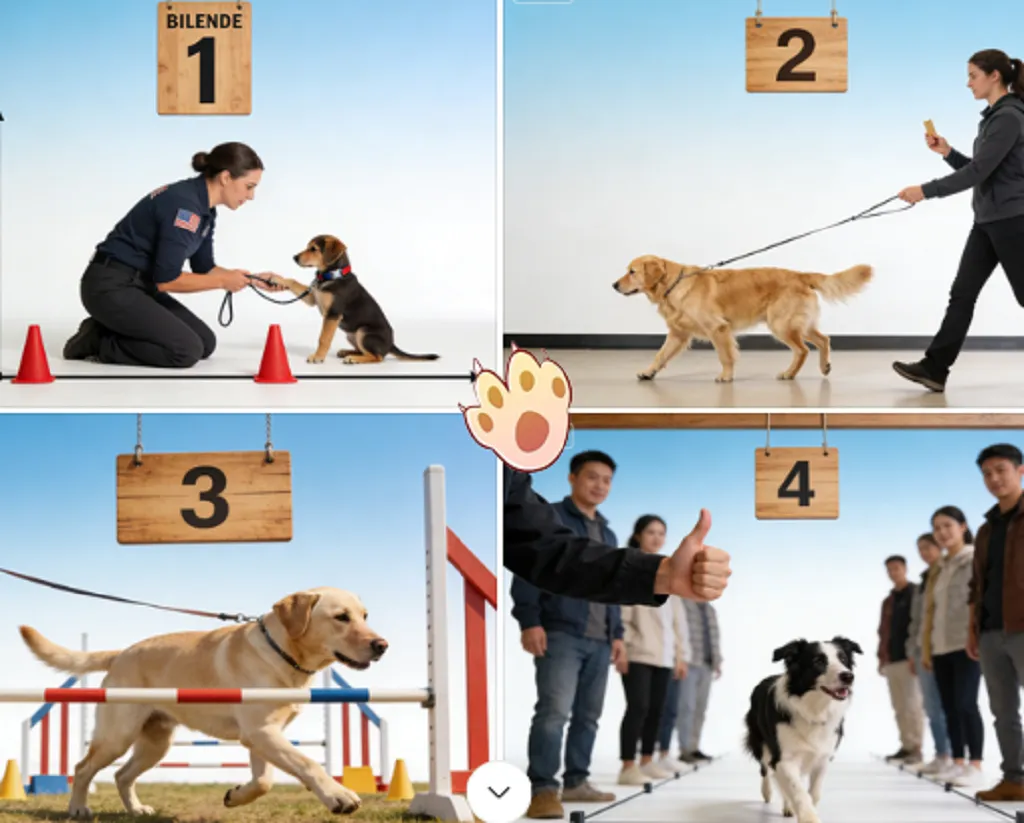
A structured 4-week plan provides clear goals and measurable progress in leash training
Step-by-Step Training Techniques
| Technique | How to Implement | Best For | Common Mistakes | Advanced Applications |
|---|---|---|---|---|
| Be a Tree | Stop completely when leash tightens, resume when slack | All dogs, foundation technique | Inconsistent stopping, moving while tight | Adding duration before resuming |
| Direction Changes | Random 180° turns when dog pulls ahead | Dogs who charge forward | Predictable patterns, jerking dog around | Adding pace changes, serpentine patterns |
| Penalty Yards | When dog pulls, return 10 steps backward | Goal-oriented pullers | Too many penalty yards, becoming punitive | Combining with other techniques |
| Magnet Hand | Treat held at your side, reward for position | Food motivated dogs | Dog fixated only on food, not learning | Fading to intermittent rewards |
| Pattern Games | 1-2-3 treat pattern for checking in | Building engagement, attention | Breaking pattern unpredictably | Increasing numbers, adding distractions |
Teaching the Formal "Heel" Command
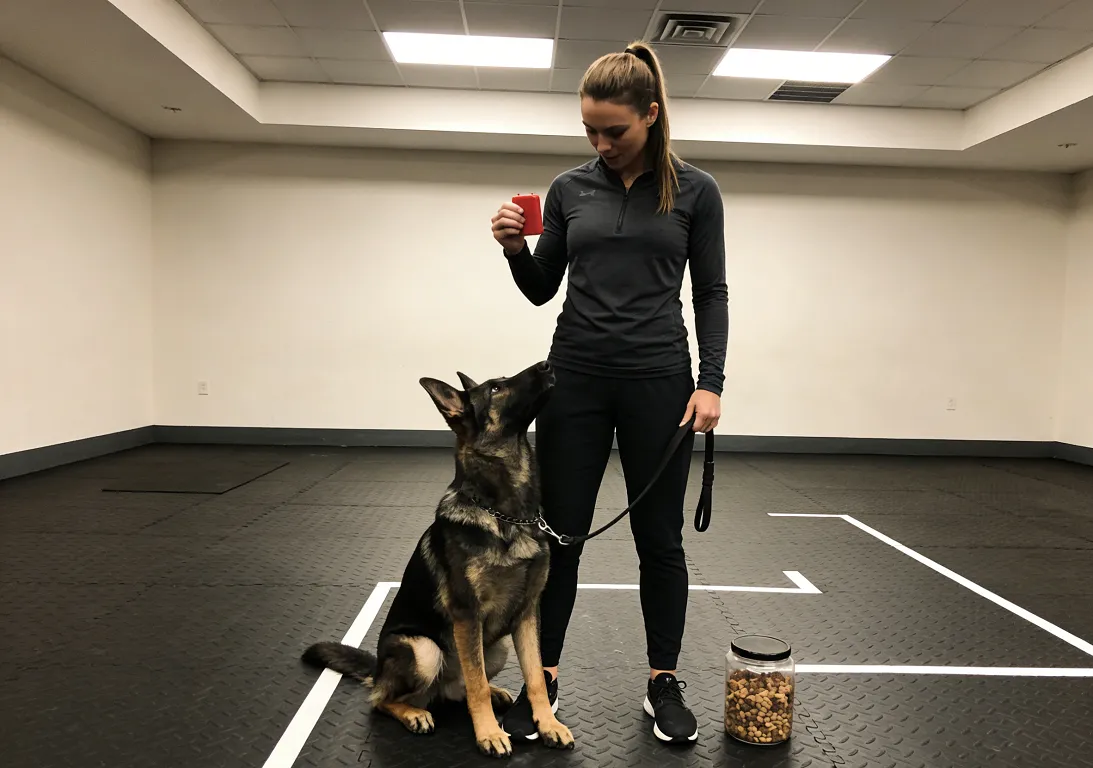
Precision heeling creates reliable control in crowded or distracting environments
Difference Between Loose Leash and Heel:
Loose Leash Walking:
- Position: Anywhere within leash radius
- Attention: Can sniff, explore, look around
- Tension: No pulling, but leash may have slight arc
- Use: 90% of walks, relaxation, mental stimulation
- Cue: Usually no specific cue, default behavior
Formal Heel:
- Position: Precise position at left side
- Attention: Focus on handler, minimal sniffing
- Tension: Completely loose, straight down leash
- Use: Crowded areas, passing distractions, formal settings
- Cue: "Heel" or specific command
4-Step Heel Training Method:
Step 1: Position Training
- Teach dog to target your left side with nose touch
- Mark/reward for correct position
- Add verbal cue "Side" or "Position"
- Practice stationary position first
- Duration: 3-5 days
Step 2: Adding Movement
- Take one step, reward if dog maintains position
- Gradually increase to 2-3 steps
- Use food lure initially, fade quickly
- Add cue "Heel" as you start moving
- Duration: 1-2 weeks
Step 3: Building Duration
- Increase number of steps between rewards
- Add turns, pace changes, stops
- Practice in low-distraction environments
- Begin fading food rewards to intermittent
- Duration: 2-3 weeks
Step 4: Adding Distractions
- Practice with mild distractions at distance
- Gradually increase difficulty
- Use higher value rewards initially
- Proof in various environments
- Duration: Ongoing maintenance
Special Situations and Advanced Challenges
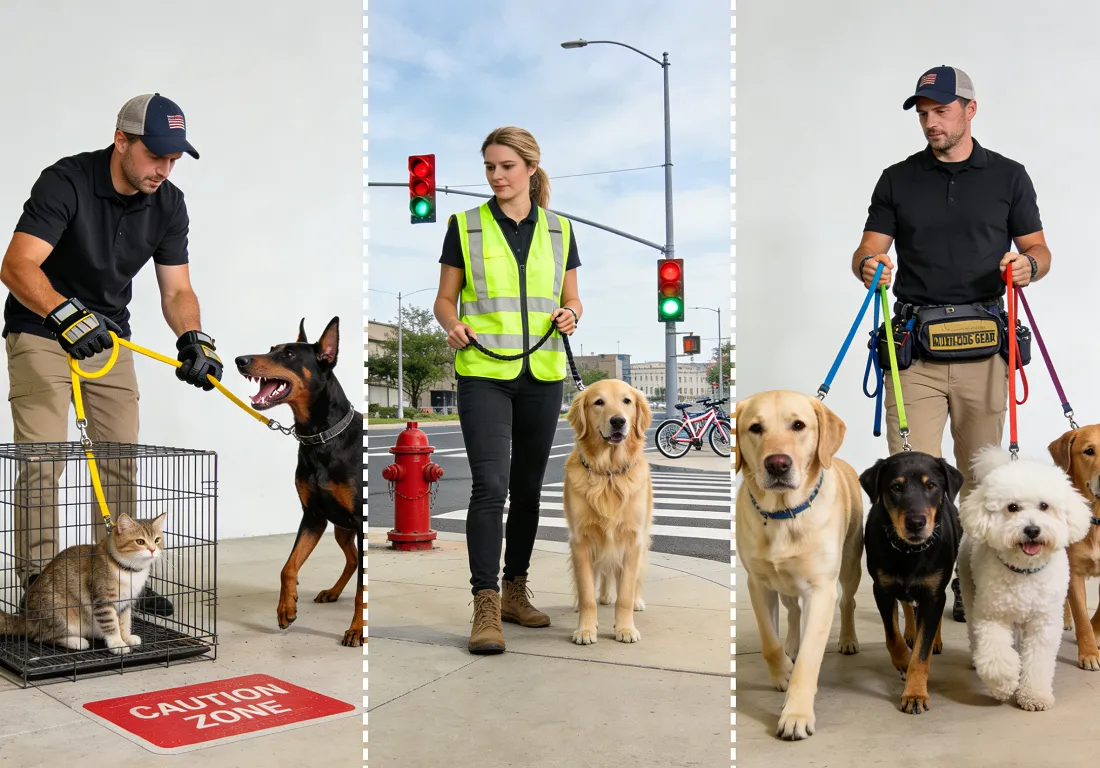
Adapting techniques to different situations ensures successful training in all environments
| Situation | Specific Challenges | Training Adjustments | Equipment Considerations | Realistic Expectations |
|---|---|---|---|---|
| Multi-Dog Households | Dogs excite each other, tangled leashes | Train individually first, then together gradually | Waist leashes for hands-free, couplers only for trained dogs | Progress will be slower with multiple dogs |
| Reactive Dogs | Lunging, barking at triggers, over-threshold | Counter-conditioning, management, distance work | Head halter or front-clip harness for control | May need professional behaviorist assistance |
| Senior Dogs | Arthritis, slower pace, medical limitations | Shorter sessions, gentle pace, more breaks | Comfortable harness, padded handles | Focus on comfort over precision |
| Small vs. Large Dogs | Different leverage, pace matching, safety concerns | Adjust expectations, pace, reinforcement rate | Properly sized equipment, consider handler size | Different challenges require different approaches |
| Urban Environments | High distractions, tight spaces, safety concerns | Heel command essential, high reinforcement rate | Short leash handling, high-visibility gear | Will require more proofing and maintenance |
Troubleshooting Common Leash Training Problems
Problem: Dog Pulls Toward Specific Triggers
- Common triggers: Other dogs, squirrels, interesting smells
- Immediate management: Increase distance, use U-turns
- Training solution: "Look at That" game, counter-conditioning
- Equipment help: Head halter for directional control
- When to get help: Aggression or extreme fear responses
Problem: Dog Lags Behind or Stops Frequently
- Possible causes: Fear, pain, lack of engagement
- Medical check: Rule out arthritis, paw issues, vision problems
- Training solution: Higher value rewards, build confidence
- Equipment check: Ensure equipment isn't causing discomfort
- Environmental factor: Hot pavement, uncomfortable surfaces
Problem: Leash Biting/Chewing
- Possible causes: Teething, frustration, play behavior
- Management: Bitter spray on leash, offer chew toy instead
- Training solution: Teach "leave it" for leash, redirect to appropriate chew
- Equipment solution: Chain leash (last resort), more durable materials
- Address root cause: More mental/physical exercise before walks
Problem: Inconsistent Results with Different Handlers
- Common reasons: Different techniques, consistency, expectations
- Solution: Family training sessions, written guidelines
- Equipment: Same equipment for all handlers
- Communication: Regular check-ins about what's working
- Realistic expectation: Dogs often behave differently with different people
Safety Considerations for Leash Training
Handler Safety:
- Proper grip: Don't wrap leash around hand/wrist
- Body mechanics: Keep elbows slightly bent, use core strength
- Footwear: Closed-toe shoes with good traction
- Weather awareness: Ice, heat, lightning risks
- Personal safety: Be aware of surroundings, avoid isolated areas
Dog Safety:
- Equipment fit: Regular checks for rubbing/chafing
- Temperature: Hot pavement burns, cold weather protection
- Hydration: Water access on longer walks
- Paw care: Check for cuts, wear, foreign objects
- Traffic safety: Reflective gear, leash handling near roads
Public Safety:
- Leash laws: Know and follow local regulations
- Right of way: Yield to pedestrians, control space
- Other dogs/people: Ask before approaching, respect boundaries
- Clean up: Always carry waste bags
- Communication: Use "training" vest or verbal cues to signal others
Maintaining Good Leash Manners Long-Term
Ongoing Practice:
- Daily reinforcement: Brief practice sessions during walks
- Variable rewards: Occasional high-value treats for excellent behavior
- Regular equipment checks: Wear and tear, proper fit
- New environments: Practice in different locations periodically
- Refresher courses: Formal retraining if skills decline
Preventing Regression:
- Consistency: All handlers follow same rules
- Management: Use training equipment until behavior is solid
- Address issues early: Don't let small problems become habits
- Mental stimulation: Tired dogs walk better
- Realistic expectations: All dogs have occasional off days
When to Seek Professional Help:
- No progress after 4 weeks of consistent training
- Aggression or extreme fear on leash
- Physical limitations (handler or dog)
- Wanting to advance to competition-level heeling
- Multiple behavior problems complicating training
Finding Qualified Help:
- Certifications: CPDT-KA, KPA-CTP, IAABC
- Force-free/positive reinforcement methods
- Experience with your specific challenges
- Good references from past clients
- Initial consultation to assess compatibility
Conclusion: The Journey to Enjoyable Walks
Leash training is one of the most valuable investments you can make in your relationship with your dog. While it requires patience and consistency, the payoff is years of enjoyable walks, increased safety, and the ability to include your dog in more aspects of your life. Remember that every dog learns at their own pace, and setbacks are normal parts of the training journey.
The key to successful leash training is understanding that it's a communication skill you're building together. Celebrate small victories, be patient with challenges, and always prioritize safety and positive experiences. With the right approach, what begins as a frustrating daily struggle can transform into one of the most rewarding parts of your shared life with your canine companion.
"A well-trained leash walk is a conversation without words—a dance of mutual understanding where every step communicates trust, respect, and partnership between human and dog."
About the Author
Marcus Johnson, CPDT-KA is a certified professional dog trainer with 10 years of specialization in leash reactivity and loose leash walking. He has helped over 1,000 dogs and their owners achieve stress-free walks through his positive reinforcement-based training programs and workshops.