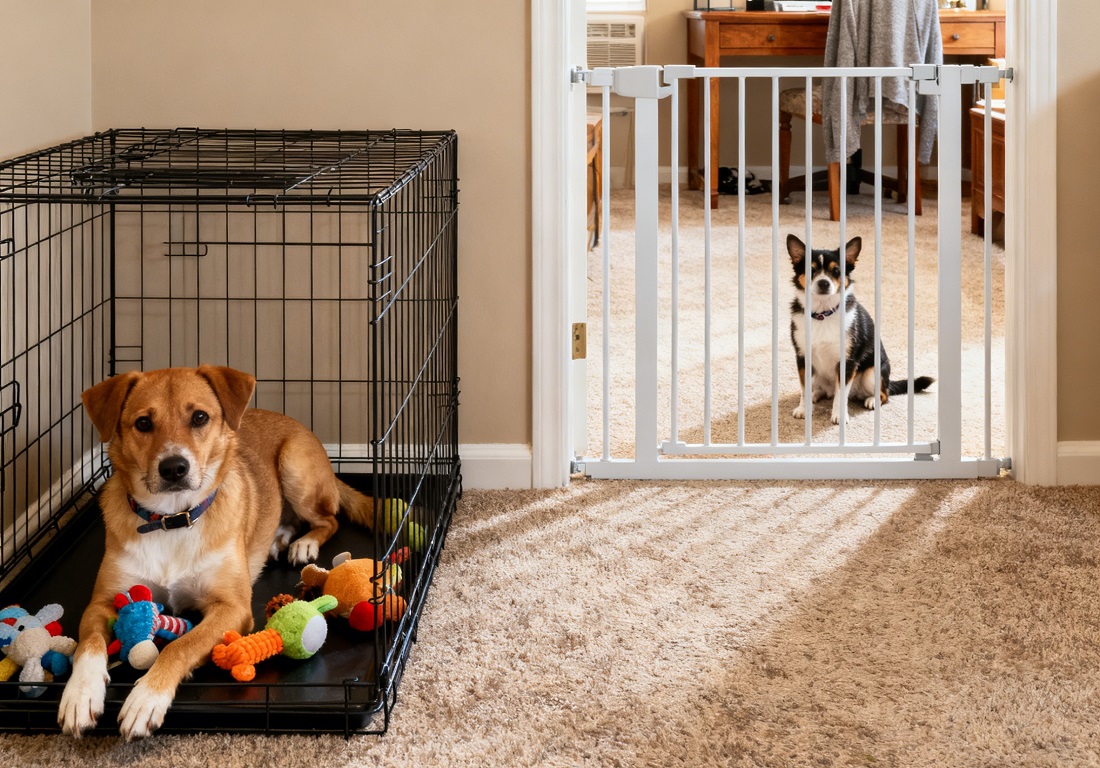
How to Stop Excessive Dog Barking: Effective Training Methods

Excessive barking can be frustrating but is often solvable with proper training
The Complete Guide to Managing and Reducing Excessive Dog Barking
Excessive barking is one of the most common behavioral issues dog owners face, causing frustration for both households and neighbors. This comprehensive guide provides science-based training methods, understanding of barking causes, and practical solutions to create a more peaceful environment while respecting your dog's natural communication needs.
"Barking is natural dog communication—the goal isn't to eliminate all barking, but to teach appropriate quiet behavior and address the underlying causes of excessive vocalization."
— Dr. Emily Richardson, Certified Animal Behaviorist
Understanding Why Dogs Bark: The 6 Main Types

Different barking types require different training approaches
| Bark Type | Common Triggers | Sound Characteristics | Body Language | Primary Function |
|---|---|---|---|---|
| Alert/Warning | Strangers, unusual noises, doorbell | Sharp, quick barks with pauses | Ears forward, tail up, focused stance | Notify of potential threat |
| Attention-Seeking | Boredom, loneliness, desire for interaction | Repetitive, sometimes whiny barks | Pawing, jumping, bringing toys | Get human response |
| Anxiety/Fear | Separation, storms, unfamiliar situations | High-pitched, continuous barks | Tucked tail, lowered body, pacing | Express distress |
| Play/Excitement | Playtime, greetings, anticipation | Higher pitch, musical quality | Play bow, wagging tail, relaxed mouth | Express joy and invitation |
| Territorial | People/animals approaching territory | Loud, aggressive sounding | Stiff posture, raised hackles | Defend space |
| Boredom/Frustration | Confinement, lack of stimulation | Monotonous, repetitive pattern | Pacing, destructive behavior | Release pent-up energy |
Step-by-Step Training Methods for Different Bark Types
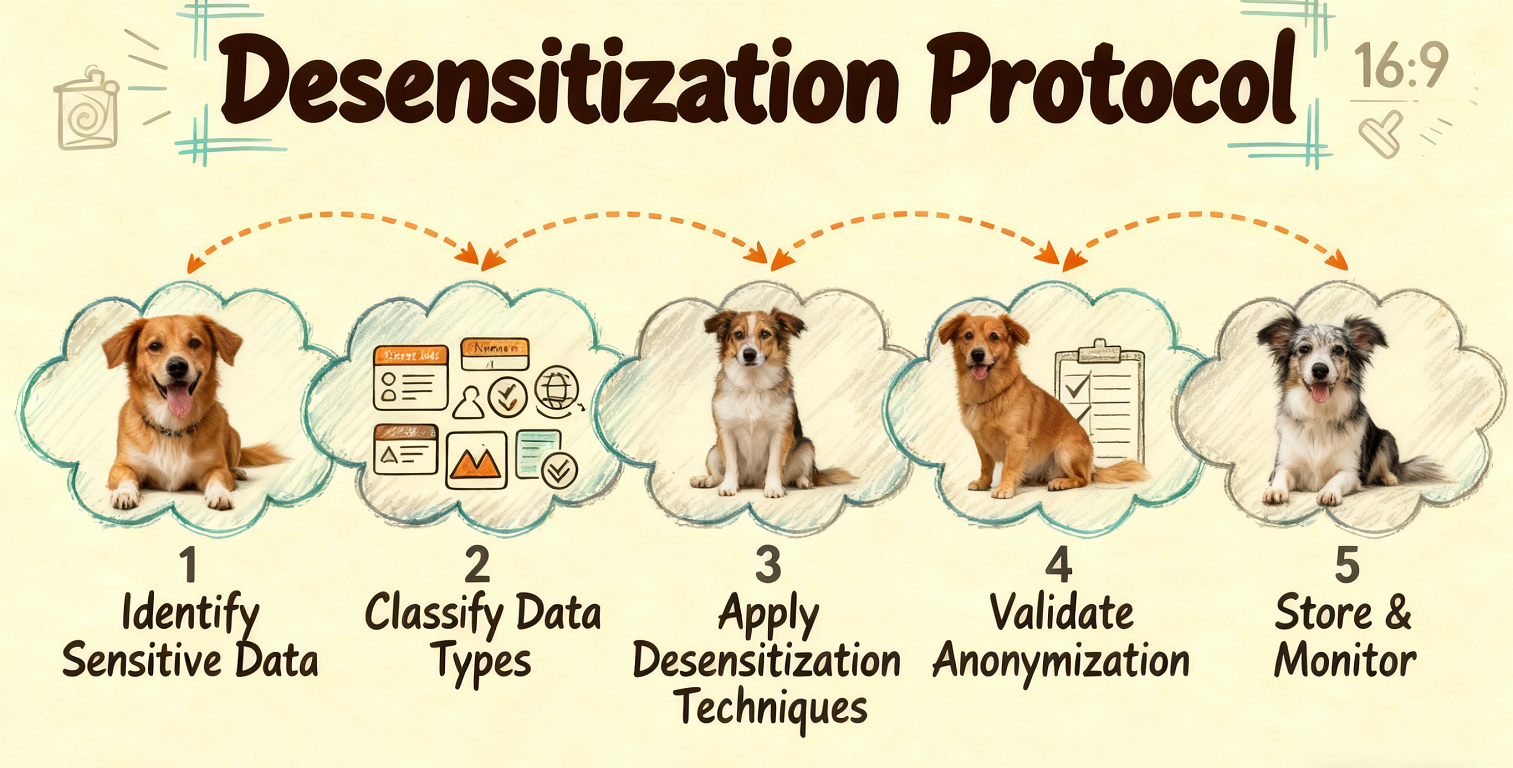
Consistent step-by-step training yields the best results
For Alert/Territorial Barking:
Desensitization Protocol:
- Step 1: Record trigger sounds (doorbell, knocks)
- Step 2: Play at very low volume while dog is relaxed
- Step 3: Gradually increase volume over weeks
- Step 4: Pair sound with treats before barking starts
- Step 5: Practice with real triggers at distance
"Go to Place" Command:
- Teach dog to go to specific mat/bed on command
- When trigger occurs, redirect to "place"
- Reward for quiet behavior in place
- Gradually increase difficulty/distance
- Use before barking begins when possible
Attention-Seeking Barking Solutions
| Mistake Owners Make | Why It Fails | Better Approach | Expected Timeline |
|---|---|---|---|
| Yelling "No!" or "Quiet!" | Dog interprets as joining barking/attention | Complete ignoring - no eye contact, no touch, no speech | 2-3 weeks for significant reduction |
| Giving attention after barking | Teaches barking = gets what they want | Only give attention during quiet moments | Consistent application yields results in 1-2 weeks |
| Inconsistent responses | Creates variable reinforcement (strongest learning) | All family members follow same protocol | Immediate improvement with consistency |
| Using punishment | Increases anxiety, damages trust | Redirect to incompatible behavior (sit, touch) | Positive methods work faster long-term |
Separation Anxiety Barking: Specialized Approach
Desensitization Steps:
- Pre-departure cues: Practice picking up keys/putting on coat without leaving
- Short absences: Start with 30 seconds, gradually increase
- Vary duration: 1 min, 5 min, 30 sec, 10 min (not always increasing)
- Calm departures/returns: No emotional greetings or goodbyes
- Environmental management: White noise, closed curtains, safe space
Management Tools:
- Interactive toys: Kong with frozen food, puzzle feeders
- Calming supplements: Consult vet about adaptil, l-theanine
- Exercise first: 30-minute vigorous walk before alone time
- Doggy daycare/walker: For extended alone periods
- Professional help: For severe cases - veterinary behaviorist
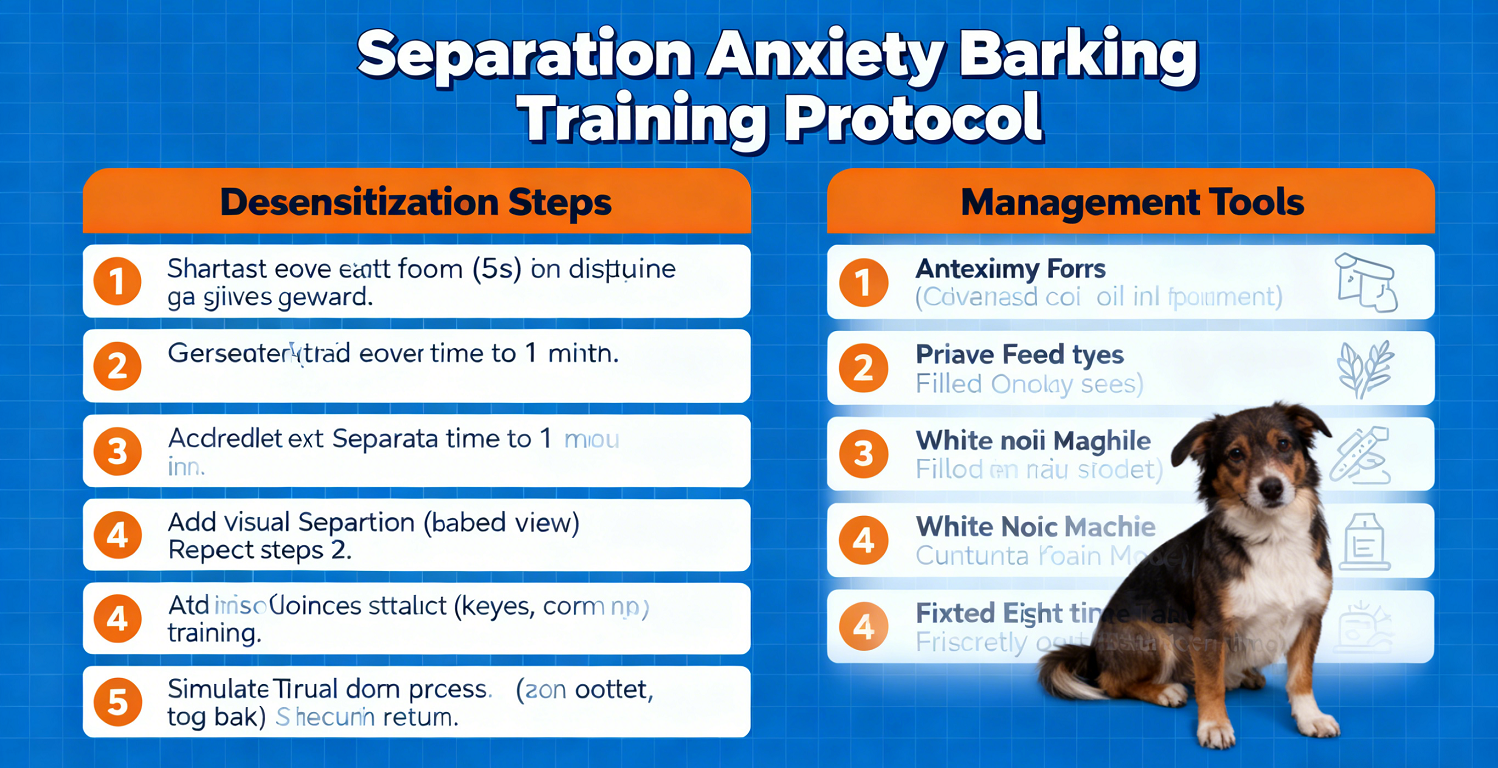
Separation anxiety requires specialized desensitization techniques
The "Quiet" Command: Teaching Step-by-Step
4-Week Training Protocol:
Week 1: Foundation
- Wait for natural bark (don't provoke)
- Say "Quiet" calmly once
- Show high-value treat when barking pauses
- Mark pause with "Yes!" and give treat
- Repeat 5-10 times daily
Week 2: Increasing Duration
- Begin asking for 2-second pause before reward
- Gradually increase to 5 seconds
- Practice in different locations
- Add mild distractions
- Keep sessions short (3-5 minutes)
Week 3: Real-World Application
- Use during actual barking triggers
- Practice with doorbell/knock recordings
- Add distance - give command from across room
- Begin fading treat frequency (variable reinforcement)
- Practice with family members present
Week 4: Maintenance & Distractions
- Practice with real visitors (start with calm friends)
- Work with outdoor distractions
- Continue occasional reinforcement
- Combine with "place" command
- Document progress in training journal
Breed-Specific Considerations for Barking Issues
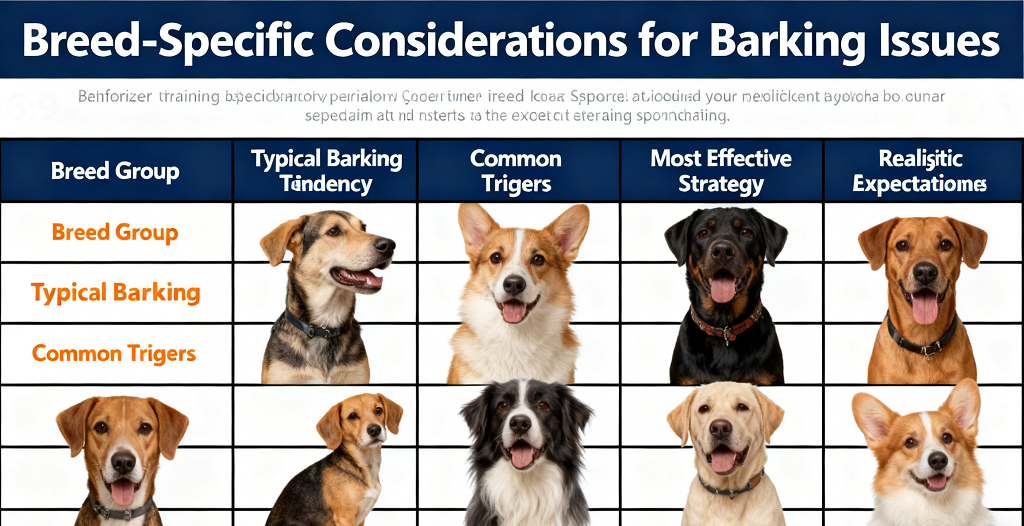
Different breeds have different barking tendencies and triggers
| Breed Group | Typical Barking Tendency | Common Triggers | Most Effective Strategies | Realistic Expectations |
|---|---|---|---|---|
| Herding Breeds (Border Collies, Aussies) | High - alert barking | Movement, strangers, perceived threats | Mental stimulation, "job" assignments, desensitization | Can reduce but not eliminate - breed trait |
| Terriers (Jack Russells, Yorkies) | Very High - territorial | Everything moving, sounds, visitors | Consistent boundaries, "quiet" command, management | Requires lifelong management |
| Guardian Breeds (GSDs, Rottweilers) | Moderate-High - protective | Property lines, unusual activity | Socialization, "place" command, supervised exposure | Good response to training with consistency |
| Companion Breeds (Maltese, Pugs) | Moderate - attention-seeking | Loneliness, boredom, desire for interaction | Ignore unwanted barking, reward quiet, routine | Excellent response to consistent training |
| Hounds (Beagles, Bassets) | High - vocal by nature | Scents, sounds, isolation | Environmental management, white noise, crate training | Limited reduction - accept some vocalization |
Environmental Modifications to Reduce Barking
Indoor Adjustments:
- Window management: Frosted film, closed blinds during trigger times
- Sound masking: White noise machine, quiet music
- Visual barriers: Baby gates to limit window access
- Safe space: Crate or quiet room with comforting items
- Interactive elements: Food puzzles, treat-dispensing toys
Outdoor/Yard Solutions:
- Fence modifications: Solid fencing to block visual triggers
- Supervised access: Only allow yard time when you're present
- Distraction stations: Digging pit, scent trails, agility elements
- Timing: Avoid peak neighbor activity times
- Behavioral cues: Teach "inside" command for barking episodes
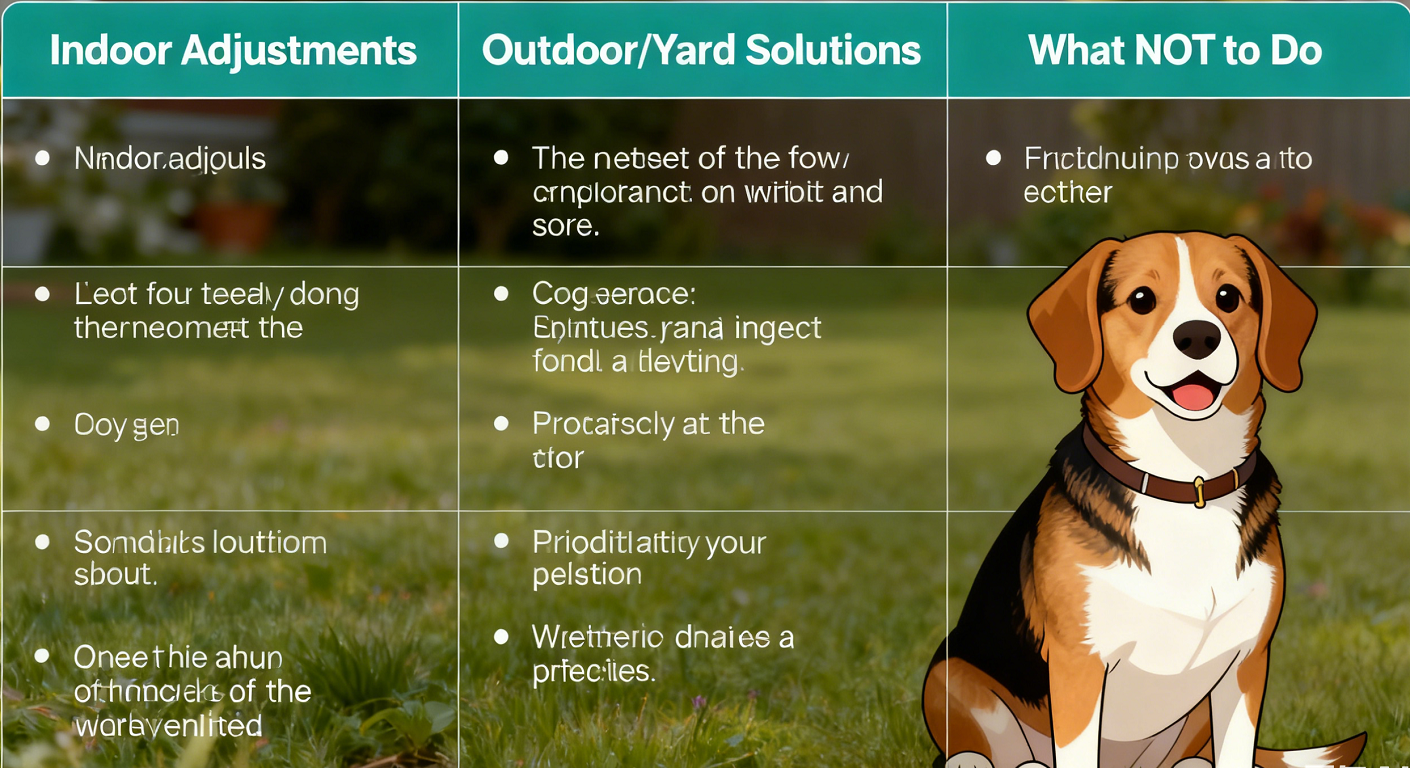
Simple environmental changes can significantly reduce barking triggers
What NOT to Do: Common Mistakes That Make Barking Worse
Ineffective Approaches:
- Bark collars (shock/vibration/citronella): Can increase anxiety, don't address cause
- Debarking surgery: Inhumane, doesn't address behavior
- Physical punishment: Damages trust, may create aggression
- Yelling matches: Teaches dog to bark louder to be heard
- Inconsistency: Sometimes allowing, sometimes punishing
Why Positive Methods Work Better:
- Address underlying cause, not just symptom
- Strengthen human-dog bond
- Create long-term behavior change
- Reduce stress for both dog and owner
- Teach alternative appropriate behaviors
When to Seek Professional Help
| Situation | Recommended Professional | What to Expect | Typical Timeline | Success Rate with Intervention |
|---|---|---|---|---|
| Severe separation anxiety | Veterinary Behaviorist | Medical assessment, behavior modification plan, possible medication | 3-6 months minimum | 80-90% with comprehensive treatment |
| Aggression with barking | Certified Behavior Consultant | Safety assessment, desensitization protocol, management plan | 4-12 months | 70-85% with consistent work |
| No progress after 8 weeks | Professional Dog Trainer (CPDT) | Hands-on assessment, customized training plan, coaching | 4-8 weeks for noticeable improvement | 90% with proper implementation |
| Neighbor complaints/legal issues | Behaviorist + Attorney Consultation | Documentation plan, mediation assistance, legal protection | Immediate + long-term strategy | Prevention of escalation is key |
Prevention: Training Puppies Before Barking Becomes Problem
Puppy Protocol (8-16 weeks):
- Quiet reinforcement: Reward calm behavior frequently
- Controlled exposure: Introduce sounds/people gradually
- Alone time training: Start with seconds, build gradually
- Alternative behaviors: Teach "sit" for greetings instead of barking
- Socialization: Positive experiences with varied stimuli
Adolescent Dogs (6-18 months):
- Consistent rules: All family members follow same protocol
- Mental stimulation: Training games, puzzles, nose work
- Exercise needs: Adequate physical activity daily
- Boundary setting: Clear rules about appropriate barking
- Prevent rehearsal: Don't allow barking to become habit
Measuring Progress: Realistic Expectations Timeline
Short-term (First 2 Weeks):
- Identify primary barking triggers
- Implement consistent management strategies
- Begin "quiet" command foundation
- Note patterns in barking journal
- Reduce barking frequency by 20-30%
Medium-term (Weeks 3-8):
- Solid response to "quiet" command
- Noticeable reduction in specific problem areas
- Alternative behaviors becoming habit
- 50-70% reduction in excessive barking
- Family consistently implementing protocols
Long-term (Months 3-6):
- Minimal barking in previously problematic situations
- Dog chooses quiet behaviors automatically
- Only occasional reinforcement needed
- 80-90% reduction maintained
- Peaceful coexistence achieved

Professional help is valuable for complex barking issues
Conclusion: Patience, Consistency, and Understanding
Reducing excessive barking requires understanding why your dog is vocalizing, addressing those underlying needs, and teaching appropriate alternative behaviors. While progress takes time and consistency, most dogs respond well to positive training methods when implemented correctly.
Remember that some barking is normal canine communication. The goal should be reducing excessive or problematic barking, not creating a completely silent dog. Celebrate small victories, track your progress, and don't hesitate to seek professional guidance if needed. With patience and the right approach, you can achieve a more peaceful home while maintaining a strong, trusting relationship with your dog.
"The quiet moments you train for today become the peaceful home you enjoy tomorrow. Every dog can learn better barking habits with understanding, consistency, and positive reinforcement."
About the Author
Michael Chen, CPDT-KA is a certified professional dog trainer with 12 years of specialization in behavior modification. He has helped over 500 families resolve barking issues through his positive reinforcement-based training programs and is a frequent speaker at veterinary behavior conferences.