Fostering Dogs: A Complete Guide to Temporary Care

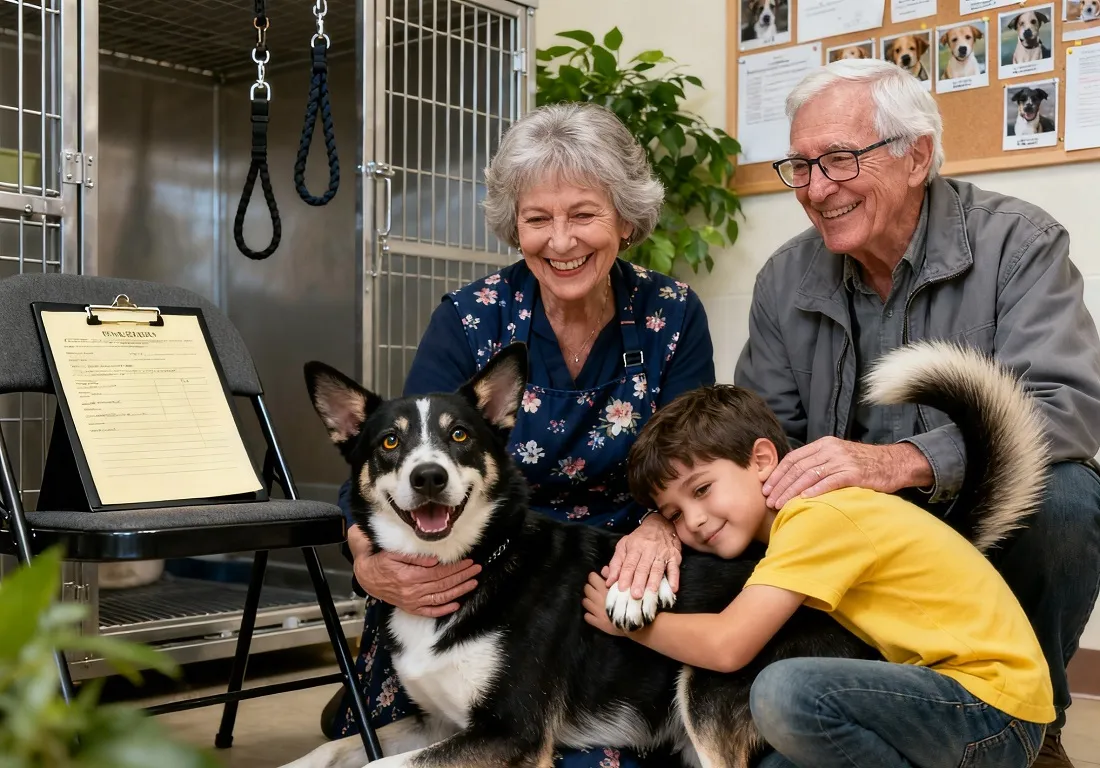
Fostering transforms shelter dogs' lives by providing temporary loving homes and socialization opportunities
Making a Difference: The Rewarding World of Dog Fostering
Fostering dogs is one of the most impactful ways you can help rescue animals. By opening your home to a dog in need, you're not just providing temporary shelter - you're giving them the love, care, and stability they need to become adoptable pets. This comprehensive guide covers everything you need to know about becoming a successful foster parent.
"Fostering saves lives twice: you save the dog you take in, and you free up space in the shelter for another dog to be rescued. It's the most direct way to make a difference in animal welfare."
— Sarah Johnson, Founder of Happy Tails Rescue
What is Dog Fostering and Why It Matters
| Aspect | What It Involves | Impact on Dogs | Time Commitment |
|---|---|---|---|
| Temporary Shelter | Providing a safe home environment | Reduces shelter stress, provides stability | 2 weeks to 6+ months |
| Basic Care | Feeding, exercise, grooming, love | Reduces anxiety and promotes positive behavior | Daily care similar to pet ownership |
| Socialization | Exposing to home life, people, other pets | Builds confidence, improves adoptability | Integrated into daily routine |
| Medical Care | Administering medications, vet visits | Recovery from illness/injury, preventive care | As needed, transport to appointments |
| Adoption Preparation | Basic training, behavior assessment | Makes transition to forever home easier | Training sessions throughout stay |
Types of Dogs That Need Fostering

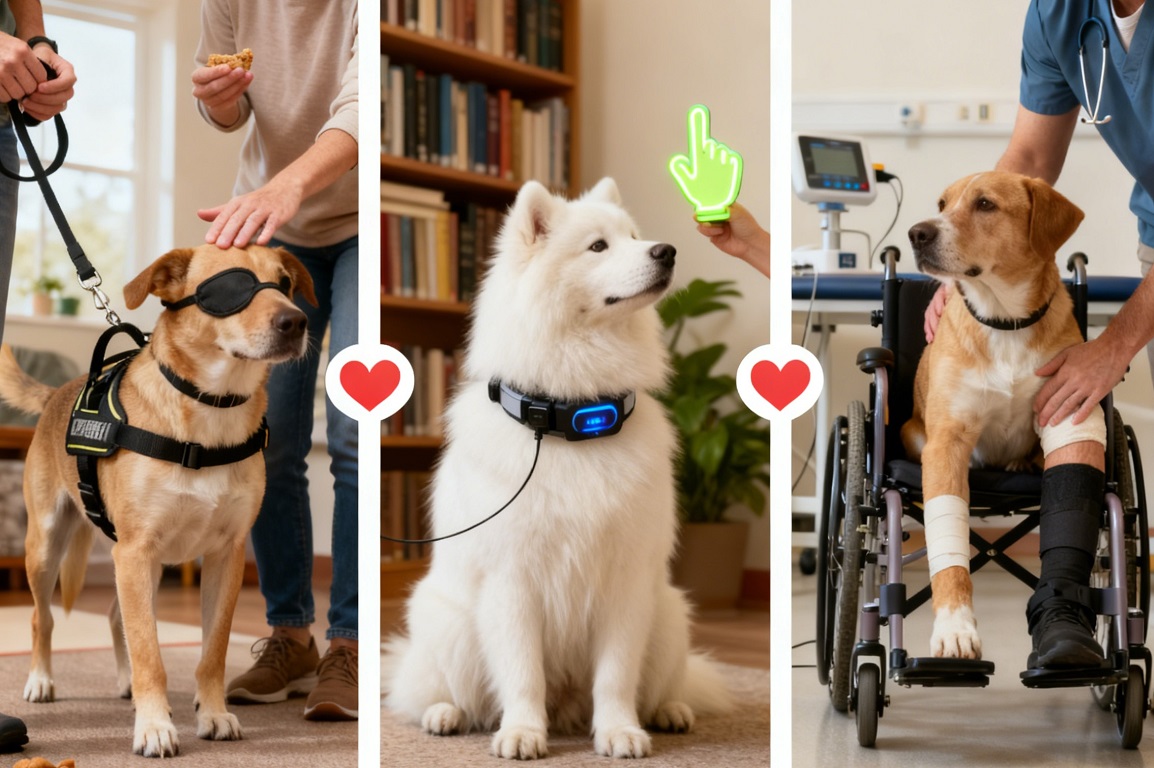
Various dogs benefit from foster care: puppies, seniors, medical cases, and behavioral cases
Common Foster Scenarios:
- Puppies and Kittens: Too young for adoption, need round-the-clock care
- Medical Cases: Recovering from surgery, illness, or injury
- Behavioral Cases: Shy, fearful, or need basic training
- Mothers with Litters: Nursing mothers and their babies
- Senior Dogs: Older animals who struggle in shelter environment
- Breed-Specific: Purebred dogs awaiting breed rescue placement
- Emergency Fosters: Natural disasters, hoarding cases, shelter overcrowding
- Hospice Fosters: Terminal animals needing loving end-of-life care
The Foster Process: Step by Step

The complete fostering journey from application to successful adoption
Becoming a Foster Parent:
- Research Local Organizations: Find rescues/shelters with foster programs
- Submit Application: Complete foster application with references
- Home Visit: Rescue representative visits your home
- Training/Orientation: Learn policies, procedures, expectations
- Match with a Dog: Based on your experience, home setup, availability
- Trial Period: Initial adjustment period (usually 1-2 weeks)
- Ongoing Support: Regular check-ins, access to resources
- Adoption Preparation: Help find forever home, participate in meet-and-greets
What Rescues Typically Provide
Covered by Most Rescues:
- All veterinary care and medications
- Food and basic supplies (varies by organization)
- Crate, bedding, leash, collar (often provided)
- Behavioral support and training advice
- 24/7 emergency contact for urgent issues
- Adoption marketing and screening
- Legal protection (dog remains property of rescue)
- Transportation assistance for appointments
Typically Foster's Responsibility:
- Daily care and supervision
- Transport to vet appointments (sometimes)
- Basic training and socialization
- Providing love and stability
- Communicating with rescue about dog's progress
- Participating in adoption events
- Potential minor expenses (toys, treats, sometimes food)
- Time and emotional investment
Preparing Your Home for a Foster Dog

Proper preparation creates a safe, welcoming environment for foster dogs
| Area | Preparation Needed | Safety Considerations |
|---|---|---|
| Indoor Space | Designated quiet area, crate setup, baby gates | Remove hazards, secure toxic substances |
| Outdoor Space | Secure fencing, designated potty area | Check for escape routes, remove toxic plants |
| Existing Pets | Separate spaces initially, gradual introductions | Monitor interactions, keep resources separate |
| Family Members | Discuss rules, assign responsibilities | Children supervised, gentle handling taught |
| Supplies | Extra bowls, bedding, toys, cleaning supplies | Appropriate chew toys, safe treats |
The First 48 Hours: Critical Adjustment Period

The first two days set the foundation for a successful foster experience
Initial Days Guidelines:
- Quiet Introduction: Limit visitors, keep environment calm
- Routine Establishment: Set feeding, walking, potty schedule immediately
- Limited Freedom: Start in one room, expand gradually
- Observation Period: Learn dog's personality, fears, preferences
- Vet Check: Schedule initial health assessment if not done
- Photo Documentation: Take "before" pictures for rescue records
- Patience: Allow dog to adjust at their own pace
- Communication: Report any concerns to rescue immediately
Common Foster Dog Behaviors and How to Handle Them
Adjustment Behaviors:
- Fear/Shyness: Allow space, use quiet voice, don't force interaction
- Separation Anxiety: Practice short absences, use calming aids
- Housetraining Issues: Frequent potty breaks, consistent schedule
- Resource Guarding: Feed separately, trade-up method for toys
- Excessive Barking: Identify trigger, provide distraction, reward quiet
- Leash Reactivity: Distance management, positive associations
- Destructive Chewing: Provide appropriate chews, supervision, crate when alone
When to Contact the Rescue:
- Aggression toward people or animals
- Significant property destruction
- Escape attempts or successful escapes
- Refusal to eat for more than 24 hours
- Signs of illness or injury
- Severe anxiety causing self-harm
- Any behavior causing safety concerns
- You feel overwhelmed or unsafe
Medical Fostering: Special Considerations
| Medical Condition | Care Requirements | Time Commitment | Special Skills Needed |
|---|---|---|---|
| Post-Surgical Recovery | Restriction of activity, medication administration, wound care | 2-8 weeks typically | Ability to follow strict medical instructions |
| Heartworm Treatment | Strict exercise restriction, medication schedule | 2-4 months | Patience for crate rest, medication management |
| Parvo or Other Illness | Isolation, frequent medication, monitoring | 2-6 weeks | Quarantine capability, attention to detail |
| Mobility Issues | Assistance with movement, physical therapy | Variable | Physical ability to assist, patience |
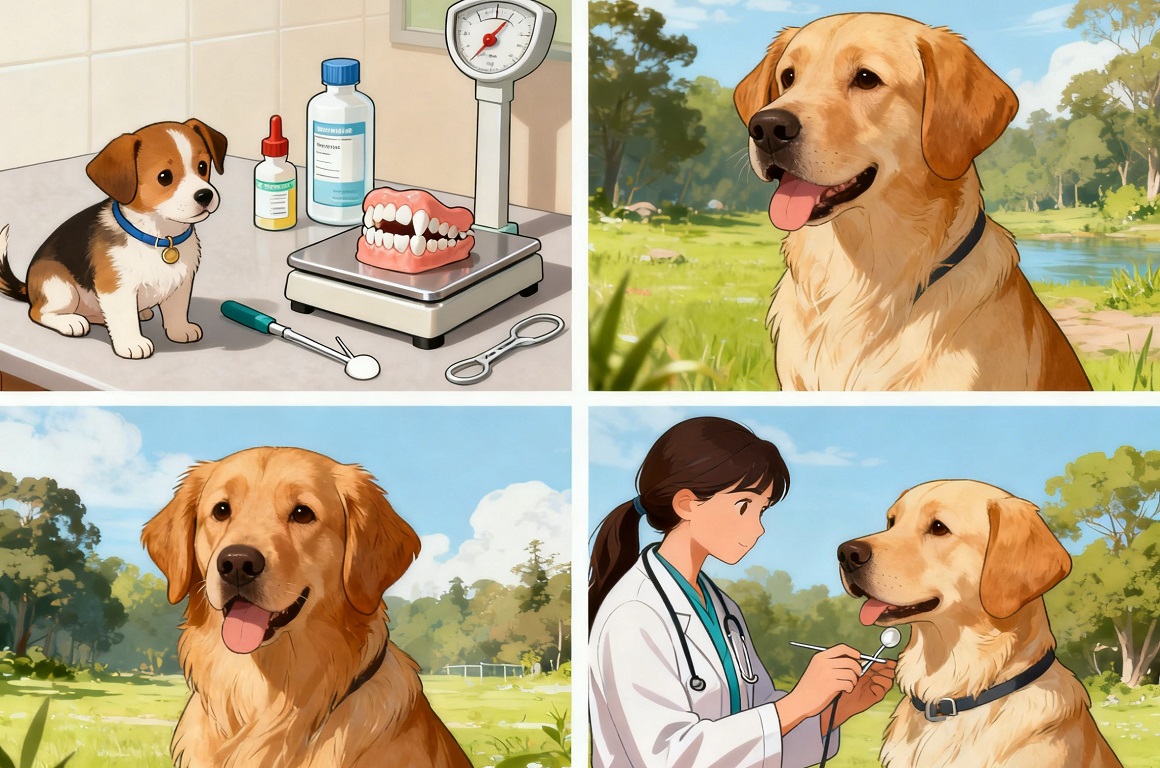
| Dental Issues | Soft food, medication, oral care | 1-4 weeks | Gentle handling of face/mouth |
Fostering Puppies and Litters
Puppy Fostering Essentials:
- Round-the-Clock Care: Newborns need feeding every 2-3 hours
- Temperature Control: Puppies cannot regulate body temperature
- Socialization: Critical window 3-16 weeks for positive experiences
- Housetraining: Frequent potty breaks (every 30-60 minutes when awake)
- Vaccination Schedule: Keep track of vet appointments
- Weaning Process: Transition from milk to solid food around 4-6 weeks
- Adoption Preparation: Basic manners, crate training, socialization
- Emotional Preparation: Saying goodbye to multiple puppies
The Emotional Aspects of Fostering
Emotional Challenges:
- Foster Failures: When you adopt your foster (sometimes celebrated!)
- Saying Goodbye: Letting go when dog gets adopted
- Compassion Fatigue: Emotional exhaustion from constant caring
- Grief: Particularly with hospice or medical fosters
- Frustration: With slow progress or difficult behaviors
- Attachment: Natural bonding that makes separation hard
- Boundary Setting: Remembering it's temporary
Coping Strategies:
- Focus on the next dog you can help
- Stay connected with foster community
- Celebrate adoption successes
- Take breaks between fosters when needed
- Keep in touch with adopters (if allowed)
- Remember your vital role in their journey
- Practice self-care and set boundaries

Fostering is a heartfelt journey of temporary love that saves multiple lives
Working with the Rescue Organization
Effective Communication:
- Regular Updates: Photos, progress reports, behavior notes
- Prompt Reporting: Medical issues, behavior concerns, emergencies
- Adoption Assistance: Provide insights about dog's personality
- Event Participation: Adoption events, fundraisers when possible
- Feedback: Constructive suggestions for rescue improvement
- Boundaries: Understand rescue's policies and limitations
- Documentation: Keep records of vet visits, medications, progress
- Advocacy: Share positive fostering experiences to recruit others
Preparing Your Foster Dog for Adoption
| Preparation Area | Goals | Timeline |
|---|---|---|
| Basic Manners | Sit, leash walking, house manners | Throughout foster period |
| Socialization | Comfort with various people, animals, environments | Ongoing, as dog is ready |
| Medical | Up-to-date on vaccinations, spay/neuter if age-appropriate | Before adoption finalized |
| Behavior Assessment | Detailed notes on personality, preferences, quirks | Continuously updated |
| Adoption Profile | Compelling photos, accurate description | Begin after first week, update regularly |
| Meet-and-Greets | Successful interactions with potential adopters | When dog is ready and approved adopters available |
The Adoption Process and Saying Goodbye
Your Role in Adoption:
- Provide honest assessment of dog's needs
- Meet with potential adopters (if comfortable)
- Share training tips and routine information
- Prepare transition items (favorite toys, blanket)
- Offer to be a resource for questions post-adoption
- Provide written information about care routine
- Participate in hand-off to new family
- Follow rescue's policy on post-adoption contact
Saying Goodbye Tips:
- Focus on the positive impact you've made
- Request updates from adopters (if allowed)
- Take time to grieve if needed
- Clean and prepare for next foster
- Share success story with rescue community
- Consider taking a short break if emotional
- Remember: space freed for another dog in need
- Celebrate the successful adoption
Foster Failures: When Fostering Leads to Adoption
Understanding "Foster Failures":
While the term suggests failure, adopting your foster dog is often celebrated as a "foster win" - it means a dog has found their perfect forever home!
Common Reasons for Foster Adoption:
- Exceptional bond developed
- Special needs that make rehoming challenging
- Perfect fit with family and existing pets
- Lengthy foster period leading to deep attachment
- Medical or behavioral issues you're equipped to manage
- Senior dogs who may have limited adoption prospects
Considerations Before Adopting:
- Long-term commitment (10-15 years for young dogs)
- Financial responsibility after rescue support ends
- Impact on ability to continue fostering
- Family consensus and readiness
- Existing pet dynamics
- Follow rescue's adoption process (fees, paperwork)
Getting Started: Questions to Ask Rescues
Important Questions for Potential Rescues:
- What support do you provide fosters (financial, medical, behavioral)?
- What is your process for matching fosters with dogs?
- What happens in case of medical emergency after hours?
- What training or orientation do you provide?
- What are your expectations for communication and updates?
- How do you handle behavioral issues that arise?
- What is your adoption process and foster's role in it?
- Can I specify what types of dogs I'm comfortable fostering?
- What happens if the foster placement isn't working out?
- Do you have a foster community or support group?
Foster Readiness Checklist
Before You Begin Fostering:
- ✓ Research and select reputable rescue organization
- ✓ Complete application and home visit process
- ✓ Prepare home environment (safety check, supplies)
- ✓ Discuss with all household members (agreement on rules)
- ✓ Prepare existing pets (vet check, gradual introduction plan)
- ✓ Set up support system (emergency contacts, pet sitter)
- ✓ Understand financial aspects (what's covered, potential costs)
- ✓ Prepare emotionally (understand temporary nature)
- ✓ Clear schedule for initial adjustment period
- ✓ Connect with rescue's foster coordinator
The Impact of Fostering: More Than Just Temporary Care
Fostering has a significant positive impact on both the welfare of the dog and the experience of the foster caregiver. Every foster home provides crucial data about a dog's personality, needs, and preferences, making successful adoptions more likely. You're not just providing a temporary roof; you're giving a dog the chance to learn what it means to be part of a family.
The ripple effect of fostering extends beyond the individual dog. Each foster placement creates space in shelters, educates potential adopters about rescue animals, and builds a network of compassionate community members. Whether you foster one dog or dozens, your contribution matters profoundly.
"Fostering isn't about having a perfect home or being an expert trainer. It's about having a loving heart and a willingness to help. The rescue provides the rest. You provide the love, and that makes all the difference."
About the Author
David Chen has been fostering dogs for over 10 years and has helped more than 80 dogs transition from shelters to forever homes. He serves as a foster mentor for several rescue organizations and runs workshops helping new fosters navigate the emotional and practical aspects of temporary dog care.