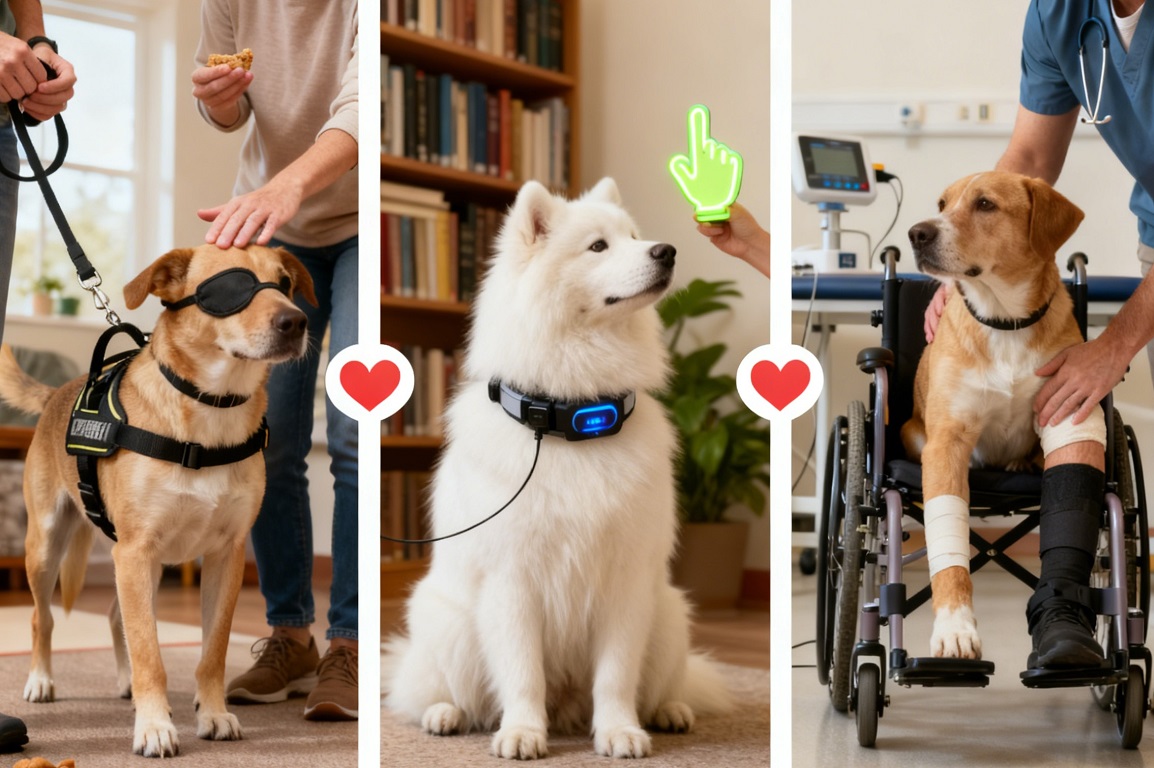
Finding the Right Rescue Dog
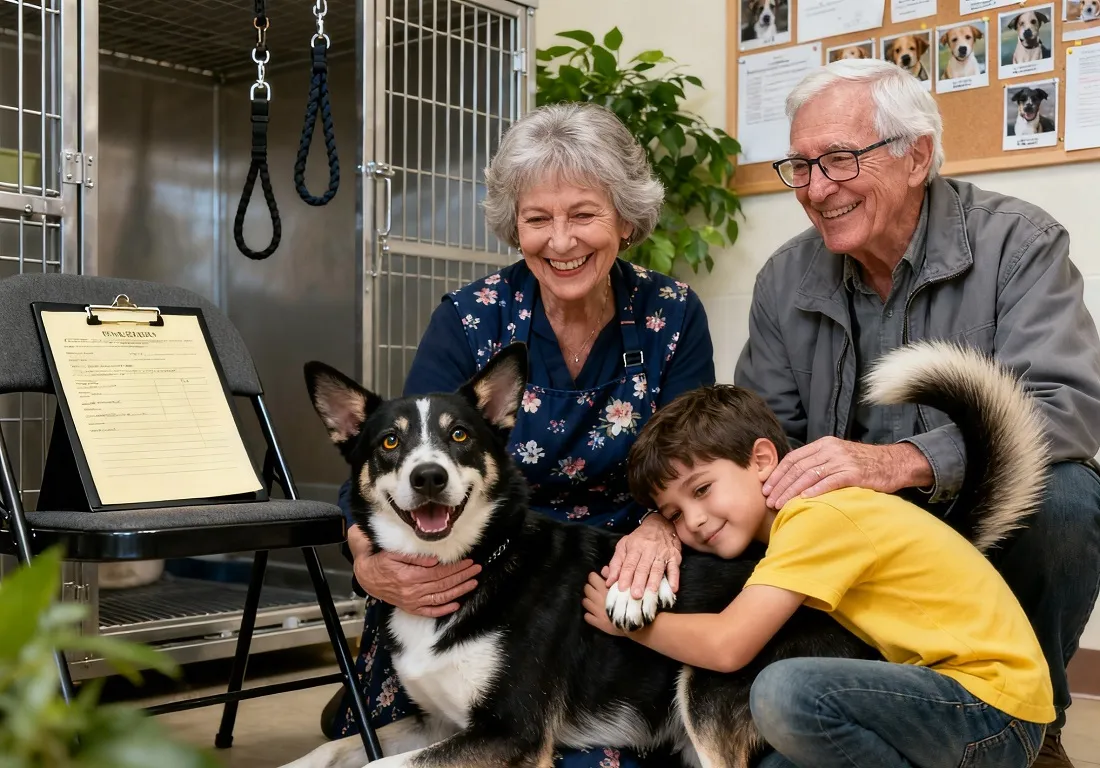
The perfect match creates a lifetime of companionship and mutual joy for both dog and family
The Complete Guide to Choosing Your Perfect Rescue Companion
Adopting a rescue dog is a rewarding journey that saves lives, but finding the right match requires careful consideration. This comprehensive guide walks you through the adoption process, personality assessment, lifestyle matching, and preparation strategies to ensure a successful, lifelong partnership with your new canine companion.
"The right dog isn't necessarily the cutest or most energetic—it's the one whose needs and personality complement your lifestyle and whose quirks you can embrace for a lifetime."
— Maria Rodriguez, Shelter Director with 15 years experience
Pre-Adoption Self-Assessment: Are You Ready?

Honest self-assessment is the foundation for a successful, lasting adoption match
| Assessment Area | Questions to Ask Yourself | Considerations | Realistic Expectations |
|---|---|---|---|
| Time Commitment | How many hours daily can you dedicate? Can you commit for 10+ years? | Puppies need 4+ hours daily, adults 2-3 hours, seniors 1-2 hours | Daily exercise, training, grooming, companionship needs |
| Financial Readiness | Can you afford $800-$1500 annual costs? Have emergency fund? | Food, vet care, supplies, training, pet insurance, emergencies | Unexpected medical costs can exceed $5000 |
| Living Situation | Rent or own? Space available? Yard access? Breed restrictions? | Many rentals have size/breed restrictions, need landlord approval | Large dogs need space, some breeds need yards |
| Lifestyle Match | Active or sedentary? Travel frequently? Work from home or office? | Match energy levels, consider separation anxiety if gone often | High-energy dogs need active owners, some dogs can't be alone 8+ hours |
| Family Dynamics | Children? Other pets? Allergies? Everyone agree on adoption? | Some dogs not good with kids/cats, ensure family consensus | Introductions take time, not all dogs are family-friendly |
Where to Look: Types of Rescue Organizations
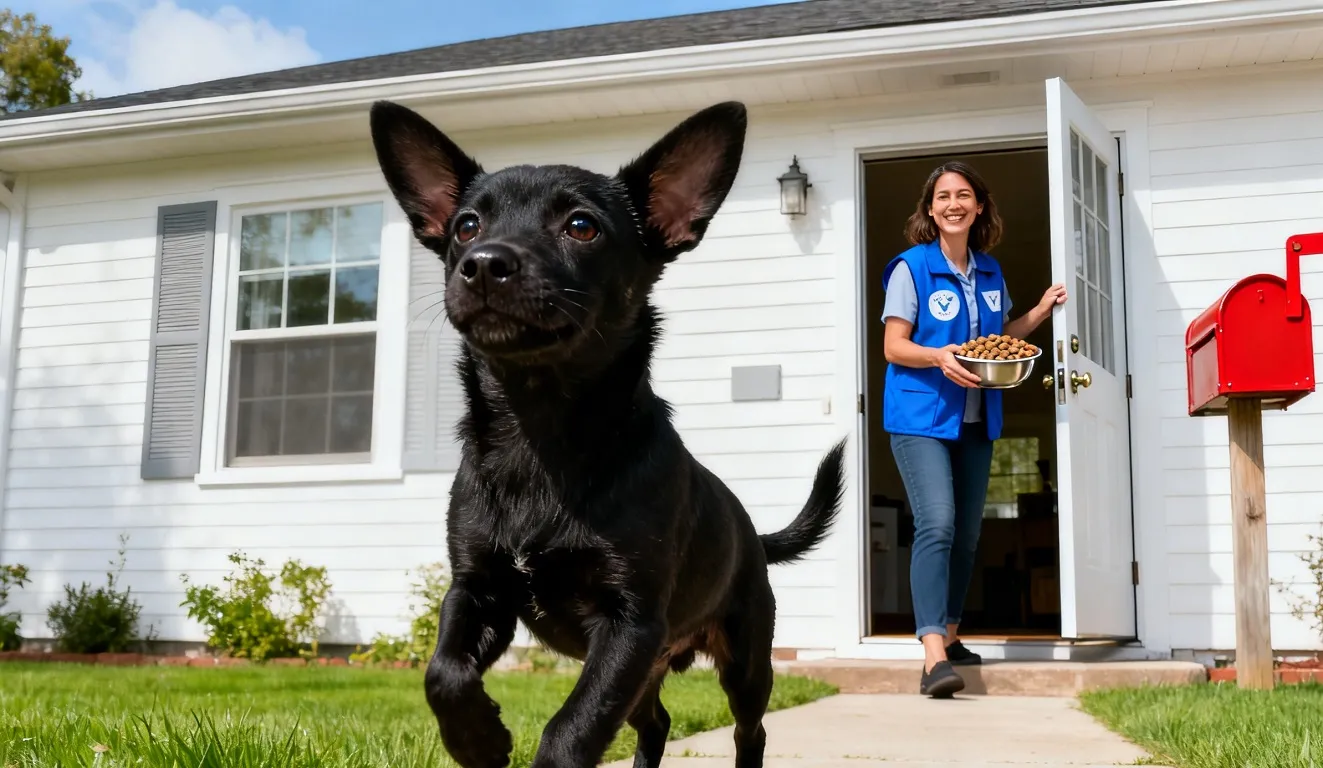
Understanding different rescue options helps you find the best source for your future companion
Municipal Shelters (Animal Control):
- Pros: Lower fees, immediate need dogs, often no appointment needed
- Cons: Limited background info, higher euthanasia risk, crowded
- Best for: Experienced owners, those willing to work with unknowns
- Typical fee: $50-$150
- Preparation: Be ready to decide quickly, dogs may not be held
Private Rescue Groups:
- Pros: More background info, foster-based so behavior known
- Cons: Higher fees, rigorous application, may have waitlists
- Best for: First-time adopters, families with specific needs
- Typical fee: $200-$500
- Preparation: Application, home check, references often required
Breed-Specific Rescues:
- Pros: Breed expertise, know breed-specific issues, support network
- Cons: May have long waitlists, strict requirements
- Best for: Those committed to a specific breed
- Typical fee: $300-$600
- Preparation: Research breed thoroughly, be patient for right match
Foster-to-Adopt Programs:
- Pros: Trial period, less pressure, see dog in home environment
- Cons: Emotionally challenging if doesn't work out, limited availability
- Best for: Uncertain adopters, multi-pet households
- Typical fee: Usually full fee, refundable if returned
- Preparation: Open mind, willingness to return if poor match
Dog Personality Assessment Guide
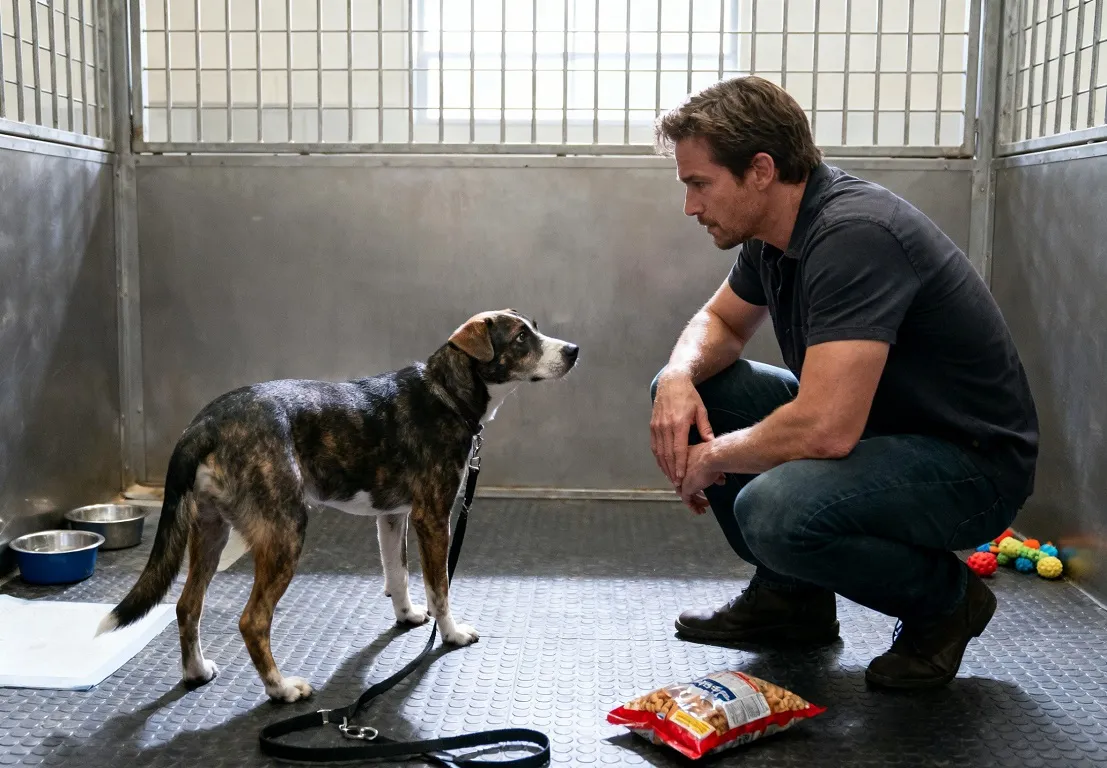
Careful observation and interaction reveal a dog's true personality beyond initial shelter stress
| Personality Trait | Questions to Ask/Things to Observe | Ideal For | Potential Challenges | Testing Method |
|---|---|---|---|---|
| Energy Level | How does dog react to walks? Play interest? Resting vs. active time? | Match your activity level - couch potato vs. running partner | Mismatched energy = frustration, behavior problems | Observe at different times, ask about daily routine in foster |
| Sociability | Reaction to strangers? Other dogs? Children? Handling? | Families vs. singles, urban vs. rural living | Fearful dogs need experienced handlers, patience | Controlled introductions, watch body language closely |
| Trainability | Response to treats? Eye contact? Willingness to engage? | First-time owners need easier dogs, experienced can handle projects | Independent dogs can be stubborn, need creative training | Try simple commands (sit, watch me), note responsiveness |
| Anxiety Level | Pacing? Panting? Hiding? Reactivity to noises/movement? | Calm households, experienced owners with time for desensitization | Anxious dogs may need medication, behavioral support | Observe in shelter environment, ask about separation anxiety |
| Play Style | How does dog play with toys? Other dogs? Mouthiness level? | Families with kids need gentle players, active homes need playful | Rough players can overwhelm children, elderly, or other pets | Interactive play session, observe with compatible playmates |
The Shelter Visit: What to Look For and Questions to Ask
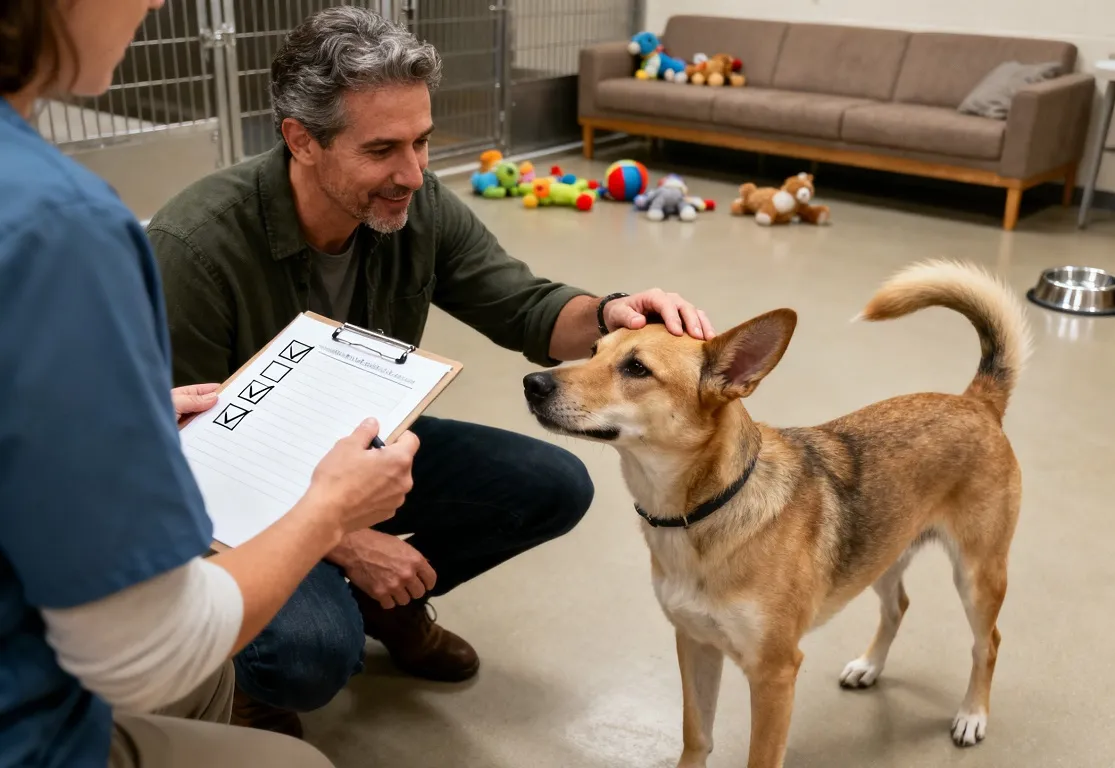
Preparation and systematic observation during shelter visits lead to better adoption decisions
Essential Questions for Shelter Staff:
Health & History:
- Medical history and current health status?
- Vaccination and spay/neuter status?
- Known allergies or medical conditions?
- Behavioral assessment results?
- Surrender reason (if known)?
Behavior & Personality:
- How does dog behave with other dogs/cats?
- Any known fears or triggers?
- Housetraining status?
- Resource guarding issues?
- Best home environment for this dog?
Observation Checklist During Visit:
- Body language when approached (relaxed vs. tense)
- Response to handling (touch ears, paws, mouth)
- Interest in toys/treats (indicates trainability)
- Reaction to noises (door slamming, voices)
- Energy level matching time of day
- Interaction with kennel mates (if applicable)
- Walking manners on leash (if allowed to walk)
- Recovery time from startling events
- Overall cleanliness and condition
- Staff's familiarity with this particular dog
Matching Dog Size and Breed to Your Lifestyle
| Lifestyle Type | Recommended Size | Energy Level Match | Breed Considerations | Potential Rescue Matches |
|---|---|---|---|---|
| Apartment/City Living | Small to medium (under 50 lbs) | Low to moderate, adaptable | Quieter breeds, minimal barking, good in small spaces | Chihuahua mixes, Poodle mixes, small Terriers, Bulldogs |
| Suburban Family | Medium to large (30-80 lbs) | Moderate, family-friendly | Good with kids, social, trainable, moderate energy | Lab mixes, Shepherd mixes, Boxer mixes, Collie mixes |
| Active/Rural | Medium to large (40-100+ lbs) | High energy, endurance | Working/herding breeds, need job/activity, space to run | Border Collie mixes, Husky mixes, Retriever mixes, Hounds |
| Senior/Retired | Small to medium (under 60 lbs) | Low energy, calm | Companion breeds, lower exercise needs, affectionate | Senior dogs, small companion mixes, low-energy breeds |
| First-Time Owner | Medium (30-60 lbs) often ideal | Moderate, predictable | Trainable, forgiving of mistakes, not overly sensitive | Adult dogs (2-6 years), known background, foster dogs |
Special Considerations for Specific Rescue Situations
Trauma/Abuse Survivors:
- Time commitment: Months to years of rehabilitation
- Skills needed: Patience, consistency, behavioral knowledge
- Potential issues: Fear, trust issues, triggers
- Rewards: Incredible bond, seeing transformation
- Not recommended for: First-time owners, families with young kids
Senior Dogs (7+ years):
- Time commitment: Shorter but intense (medical needs)
- Skills needed: Comfort with medical care, palliative care
- Potential issues: Health problems, mobility issues
- Rewards: Calm companion, immediate bond, gratitude
- Not recommended for: Those wanting active, long-term companion
Special Needs Dogs:
- Time commitment: Daily care routines, frequent vet visits
- Skills needed: Medical knowledge, adaptability, patience
- Potential issues: Ongoing medical costs, accessibility needs
- Rewards: Deep connection, life-changing for both
- Not recommended for: Limited budget, busy schedules
Puppies from Rescue:
- Time commitment: Intensive 24/7 for first year
- Skills needed: Puppy training experience, consistency
- Potential issues: Unknown adult size/temperament
- Rewards: Shape personality, full life together
- Not recommended for: Busy professionals, those wanting predictability
The Adoption Process: Step-by-Step Timeline
| Step | Typical Duration | What Happens | Your Responsibilities | Tips for Success |
|---|---|---|---|---|
| Application | 1-7 days review | Submit application, references checked, initial screening | Provide honest information, notify references | Apply before visiting to show serious interest |
| Interview | 30-60 minutes | Phone or in-person discussion about lifestyle, expectations | Be prepared to discuss your experience, home environment | Ask thoughtful questions, be honest about limitations |
| Home Visit | 30-90 minutes | Volunteer visits to ensure safe environment | Puppy-proof home, have questions ready | Don't over-clean - they want to see real living conditions |
| Meet & Greet | 1-2 hours | Meet potential dog, possibly with family/other pets | Bring family members, current pets if required | Keep emotions in check, observe objectively |
| Adoption Decision | Immediate to 3 days | Rescue decides if match is approved | Be patient, don't pressure, accept if not chosen | Trust their expertise if they say no - they know the dog |
| Paperwork & Pickup | 1-2 hours | Sign contract, pay fee, receive medical records | Read contract thoroughly, ask questions, bring supplies | Schedule pickup for calm time (not busy weekend) |
Red Flags vs. Realistic Expectations
Concerning Red Flags:
- Rescue unwilling to share medical/behavioral history
- Pressure to adopt immediately without proper process
- No return policy or support after adoption
- Dogs showing extreme fear/aggression with no management plan
- Staff unfamiliar with individual dogs' personalities
- Unwilling to let you interact with dog outside kennel
Normal Adjustment Period Behaviors:
- Initial shyness or hiding (first few days/weeks)
- Accidents during housetraining transition
- Testing boundaries and rules
- Leash pulling or basic obedience gaps
- Mild separation anxiety initially
- "Honeymoon period" followed by true personality emerging
When to Walk Away:
- Your gut says "this isn't right"
- Major lifestyle mismatch identified
- Serious behavior issues you're not equipped to handle
- Family members not in agreement
- Financial or time constraints you hadn't considered
- Better match available elsewhere
Preparing Your Home for Adoption Day
Essential Supplies:
- Crate appropriate for adult size (if known)
- Food and water bowls (stainless steel recommended)
- Initial food (ask what they've been eating)
- Collar, leash, ID tags with your contact info
- Dog bed in quiet location
- Basic grooming supplies (brush, shampoo)
Safety Preparations:
- Puppy-proof home (even for adults)
- Secure trash cans, chemicals, medications
- Check fencing for escape routes
- Designate potty area and walking route
- Prepare quiet retreat space
- Program vet and emergency numbers
Conclusion: Your Perfect Match is Waiting
Finding the right rescue dog requires patience, self-awareness, and a commitment to looking beyond initial appearances. The perfect dog for you may not be the first one you meet, or the most photogenic, but the one whose needs align with what you can provide and whose personality complements your lifestyle.
Remember that adoption is the beginning of a relationship that will evolve over years. Be patient with the adjustment period, seek support when needed, and celebrate the small victories. By taking the time to find the right match, you're not just saving a life—you're creating a partnership that will enrich both your lives for years to come.
"The right dog finds you when you're ready, not when you're looking. Keep an open heart, be honest about your life, and trust that your perfect companion is waiting for their perfect human."
About the Author
David Chen has worked in animal rescue for over 12 years, serving as adoption counselor, foster coordinator, and shelter director. He has facilitated over 3,000 successful adoptions and developed matching protocols used by rescue organizations across the country.