Welcome to the World of Yorkshire Terriers

Understanding the Yorkshire Terrier Personality
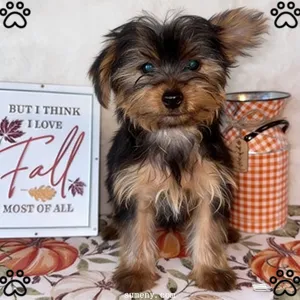
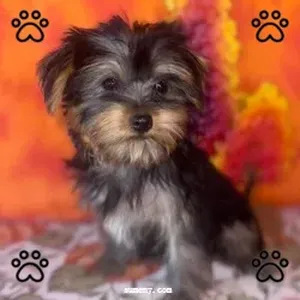
The confident and affectionate Yorkshire Terrier is one of the world's most popular toy breeds, beloved for its big personality in a small package. To make discussions about their traits more relatable, educators might use friendly example names like Rex, Dover, or Moose when illustrating typical Yorkshire Terrier behaviors.
Yorkshire Terrier Breed Overview
The Yorkshire Terrier is a quintessential toy breed, renowned worldwide for its glamorous silky coat and a confident, spirited personality that far exceeds its small size. Known for their alertness and devotion, Yorkshire Terrier puppies benefit from consistent, gentle training and early socialization to channel their intelligence and terrier tenacity into becoming charming and affectionate companions.
While utterly devoted to their families, the Yorkshire Terrier's terrier heritage means they possess a bold and sometimes feisty character. They are true companions and thrive when included as integral members of the household, often forming a particularly strong bond with one person. Their small size makes them ideal for apartment living, but their energetic nature still requires daily play and short walks to keep them happy and healthy.
Prospective owners should be prepared for a dog with a moderate to high grooming commitment. Their beautiful, hair-like coat is a defining feature but requires regular brushing to prevent tangles and mats. Dental care is also a crucial aspect of their health routine, as small breeds are prone to dental issues. Their intelligence makes them quick learners, but their independent streak may surface, requiring patient and positive reinforcement training methods.
This breed overview serves an educational purpose. It highlights the importance of understanding the needs of a small but spirited breed, such as their specific grooming demands, exercise requirements suited to their size, and common health considerations (like patellar luxation, dental problems, and hypoglycemia in puppies). Consulting with a veterinarian familiar with toy breeds and connecting with established Yorkshire Terrier clubs are recommended steps for anyone considering this delightful and charismatic little dog.
Read More ➤
Yorkshire Terrier Breed Characteristics & Profile
| Breed Classification | Toy Group (AKC) |
|---|---|
| Average Size Range | 4-7 lbs (exceedingly small size) |
| Typical Height | 7-8 inches at the shoulder |
| Life Expectancy | 11-15 years with proper care |
| Coat Type | Long, straight, silky, fine hair (similar to human hair); no undercoat; considered hypoallergenic. |
| Common Colors | Steel Blue & Tan; puppies are born black and tan, with coat color changing as they mature. |
| Energy Level | Moderate to High (spirited and playful for their size) |
| Exercise Needs | Moderate; short daily walks and indoor play sessions are sufficient. |
| Grooming Requirements | Very High; daily brushing is essential to prevent mats and tangles. Many owners opt for a shorter “puppy cut” for easier maintenance. |
| Temperament Traits | Affectionate, Confident, Spirited, Alert, Intelligent, Can be Bossy or Feisty |
| Trainability | Intelligent and capable of learning quickly, but their independent terrier nature requires patience and consistent, positive reinforcement training. Housebreaking can be challenging. |
| Common Health Considerations | Patellar Luxation, Dental Issues, Tracheal Collapse, Portosystemic Shunt (Liver), Hypoglycemia (in puppies) |
| Good With | Families with older children, Singles, Seniors, Apartment dwellers; may be feisty with other dogs or small animals due to terrier instincts. |
| Origin & History | England (19th century), Developed in Yorkshire from terrier breeds to catch rats in mills and mines, later refined into a fashionable companion. |
Adoption Pathways & Resource Guidance
If you're considering welcoming a Yorkshire Terrier into your home through adoption, it is important to understand their specific needs as a small but spirited breed. The following outlines general search pathways and key considerations for prospective adopters.
1 Breed-Specific Rescue Organizations & Toy Breed Rescues
Dedicated Yorkshire Terrier rescue organizations are excellent resources, as they have deep knowledge of the breed's grooming requirements, potential health issues, and characteristic “big personality.” General toy breed rescues are also a good option, as they often take in Yorkies and other small dogs with similar care needs.
2 Animal Shelters & General Adoption Platforms
Yorkshire Terriers are popular and can sometimes be found in local animal shelters or through large online adoption databases. When considering a Yorkie from a shelter, inquire specifically about their grooming history, any known dental issues, and their behavior around other animals, as their terrier instincts can make them feisty.
Consideration for Small Companion Breeds:
Small dogs like Yorkies are often surrendered due to grooming costs or because families underestimated their energetic and sometimes stubborn nature. Be prepared to address potential matting, dental neglect, or a lack of basic training. Patience and a commitment to gentle, consistent training are key.
Yorkshire Terrier Adoption Preparation Checklist
Understanding Yorkshire Terrier Development: From Puppy to Cherished Companion
The journey of a Yorkshire Terrier puppy is a delightful transformation where a tiny, spirited terrier grows into a confident and glamorous companion. From their earliest weeks, these petite pups begin to display the alertness, affection, and surprising boldness that charmed the world.
The Formative Weeks: Nurturing Confidence in a Small Package
During the critical first 8-12 weeks, Yorkshire Terrier puppies develop the foundation of their future temperament. Their natural curiosity and intelligence emerge rapidly. This period is crucial for gentle, positive socialization—introducing them to a variety of people, gentle handling, household sounds, and safe environments helps prevent the timidity or excessive barking that can sometimes affect small breeds. Building their confidence early is key to a well-adjusted adult.
Heritage in Their Genes: The Duality of a Former Ratter
Every Yorkshire Terrier carries a fascinating dual legacy. From their origins as efficient ratters in English mills, they inherit tenacity, bravery, and a keen alertness—classic terrier traits. Through selective breeding for companionship, they also developed a strong desire to be close to their humans and a luxurious, hypoallergenic coat. Understanding this heritage explains their unique mix: a fearless heart in a lapdog's body, requiring both mental engagement and devoted affection.
The Socialization Window: Cultivating a Well-Mannered Companion
Between 3 and 14 weeks, the Yorkshire Terrier puppy's "socialization window" is essential for shaping a polite and adaptable pet. Positive exposures to different people, other friendly pets, and various experiences help ensure their natural wariness transforms into polite curiosity rather than fear or yapping. Proper socialization teaches them to be calm and confident in new situations, which is vital for a breed that often travels everywhere with its owner.
Coat Development & Care: The Signature of the Breed
The Yorkshire Terrier's most iconic feature, its long, silky coat, requires dedicated care from the start. Puppies have a softer, shorter coat that begins to transition to the adult coat around several months old. Introducing gentle brushing and handling from day one is not just about preventing mats—it's about establishing a lifetime of positive grooming routines. Their coat is a commitment, but also a canvas for the bond between dog and owner.
Becoming Family: Integrating a Tiny but Mighty Personality
When a Yorkshire Terrier puppy joins its forever home, it brings immense personality into a small space. Successful integration involves providing clear, loving boundaries, consistent potty training (which can require extra patience for small breeds), and short bursts of play to satisfy their energy. Training should be fun and reward-based, leveraging their intelligence. With understanding and consistent care, Yorkshire Terrier puppies blossom into utterly devoted, lively companions who believe they are the center of their universe—and often convince their families of the same.
This developmental journey reminds us that a Yorkshire Terrier, though small in stature, possesses a full-sized heart and spirit. When raised with patient guidance, attentive grooming, and an abundance of love, they fulfill their destiny as one of the most adored and charismatic companion dogs in existence.
Read More ➤
Yorkshire Terrier Care & Training Essentials
Important Information
This website is intended to provide educational and informational resources related to the Yorkshire Terrier breed. We are not a rescue organization and do not directly facilitate pet adoptions, nor are any dogs physically located at our site. The dogs mentioned on this site (such as "Rex") are presented solely as illustrative examples of breed appearance and characteristics and do not indicate their current availability for adoption. For all adoption matters, please be sure to verify and contact the reputable third‑party platforms or rescue agencies recommended in the "Adoption Pathways & Resource Guidance" section above.