Welcome to the World of Yorkiepoos
Understanding the Yorkiepoo Personality
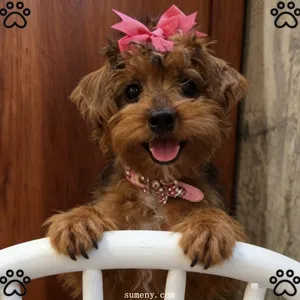
The intelligent, affectionate, and lively Yorkiepoo is a beloved designer breed, cherished for combining the best traits of Yorkshire Terriers and Poodles into one adorable companion. To make discussions about their traits more relatable, educators might use a friendly example name like Lola when illustrating typical Yorkiepoo behaviors.
Yorkiepoo Breed Overview
The Yorkiepoo is an endearing and popular designer breed, celebrated for its intelligence, affectionate nature, and often low-shedding coat. Known for their small size, expressive eyes, and charming personality, Yorkiepoo puppies require gentle training, early socialization, and regular grooming to develop into loving, well-mannered companions.
Combining the spirited Yorkie with the clever Poodle, the Yorkiepoo inherits a delightful mix of traits. They are small dogs with big hearts, forming extremely close bonds with their families and often becoming "velcro dogs." They thrive with owners who can provide loving attention, gentle guidance, and consistent routines. Daily interaction and moderate mental stimulation are essential for their happiness and to prevent separation anxiety or attention-seeking behaviors.
Prospective owners must understand this breed's sensitivity and social nature. They are typically friendly and outgoing but can inherit a Yorkie's wariness or a Poodle's alertness, making proper, positive socialization from an early age crucial. Their intelligence means they are quick to learn both good habits and bad, so training should be consistent, patient, and reward-based to nurture their eagerness to please.
This breed overview serves an educational purpose. It highlights the importance of understanding the specific needs of this hybrid breed, including their potential for certain health considerations from both parent breeds (such as dental issues, patellar luxation, or eye conditions) and the commitment required for grooming, dental care, and companionship. Consulting with a veterinarian and seeking guidance from reputable sources on small designer breeds are essential steps for anyone considering this delightful and devoted companion.
Read More ➤
Yorkiepoo Breed Characteristics & Profile
| Breed Classification | Hybrid/Designer Breed (Not AKC recognized), Companion Breed |
|---|---|
| Average Size Range | 3-14 lbs (Varies widely based on parent sizes - Toy/Miniature Poodle and Yorkshire Terrier) |
| Typical Height | 7-15 inches at the shoulder |
| Life Expectancy | 12-15+ years with excellent care |
| Coat Type | Can vary from soft and silky (like a Yorkie) to curly or wavy (like a Poodle); often low-shedding and considered hypoallergenic-friendly. |
| Common Colors | Black, Brown, Cream, Gold, Silver, or Parti-color; often with variation and may change as the puppy matures. |
| Energy Level | Moderate to High (bundle of energy in a small package, but adaptable) |
| Exercise Needs | Moderate; requires at least 20-40 minutes of daily walks, play, and mental stimulation. Happy with indoor play on bad weather days. |
| Grooming Requirements | Moderate to High; requires regular brushing (daily for longer coats) to prevent mats, and professional grooming every 4-6 weeks. |
| Temperament Traits | Affectionate, Intelligent, Playful, Alert, Loyal, Energetic, Can be vocal, People-oriented |
| Trainability | Highly intelligent and eager to please, making them generally responsive to positive, reward-based training. Early socialization and consistent, gentle guidance are key. |
| Common Health Considerations | Patellar Luxation, Dental Issues, Tracheal Collapse, Eye Problems (Cataracts, PRA), Hypoglycemia (in very small puppies) |
| Good With | Families, Singles, Seniors, Older children (supervision with very young kids due to small size). Generally good with other pets if socialized; may have a small dog "Napoleon complex". |
| Origin & History | United States (late 20th/early 21st century), Developed as a "designer dog" to combine the Yorkshire Terrier's charm with the Poodle's intelligence and low-shedding coat. |
Adoption Pathways & Resource Guidance
If you're considering providing a home to a Yorkiepoo through adoption, it is crucial to first thoroughly research this hybrid breed's specific needs and characteristics. The following outlines general search pathways and essential considerations for prospective adopters of this intelligent and affectionate small companion.
1 Rescue Organizations for Small or Designer Breeds
While breed-specific rescues for Yorkiepoos may be less common, many rescues specialize in small dogs, Poodle mixes, or designer breeds. These organizations understand the unique needs of small, intelligent companions and can often provide valuable insights into the temperament and care requirements of Yorkiepoo mixes. They conduct thorough screenings to match dogs with suitable homes.
2 Animal Shelters & General Adoption Platforms
Small mixed breed dogs like Yorkiepoos can sometimes be found in public shelters or through general rescue organizations. Reputable online adoption databases and local shelters may list them under various descriptions (e.g., "Poodle mix," "small terrier mix"). It is important to work with shelter staff to obtain any available behavioral and medical history, and to spend quality time interacting with the dog to assess its personality, energy level, and compatibility with your lifestyle.
Critical Consideration for Small Hybrid Breeds:
Adopting an adult Yorkiepoo can be very rewarding but comes with considerations. Their exact genetic background may be unknown, and traits can vary significantly. They may be prone to separation anxiety or have specific grooming needs. Be prepared for potential small dog syndrome (big attitude in a small body) and invest time in positive training and building confidence. A patient, loving approach is key.
Yorkiepoo Adoption Readiness & Responsibility Checklist
The Yorkiepoo Adventure: A Small Dog with a Big Story
Welcoming a Yorkiepoo puppy home is the beginning of a delightful adventure with a companion whose heart is bigger than their size. This charming hybrid brings together two beloved breeds, creating a unique personality that's equal parts playful, clever, and deeply loving.
First Chapters: Building a Foundation of Trust
The early weeks with a Yorkiepoo are about establishing safety and connection. These puppies, often tiny enough to fit in your hands, are highly sensitive to their new world. This period is less about rigorous training and more about gentle introduction—soft voices, calm handling, and positive experiences with everyday life. Creating a secure base during these formative days builds the confidence that allows their true, bold personality to shine through without fear.
A Tale of Two Breeds: Understanding Their Mixed Heritage
Every Yorkiepoo is a living story woven from two distinct threads: the bold, terrier spirit of the Yorkshire Terrier and the keen, people-pleasing intelligence of the Poodle. You might see the Yorkie's feisty independence one moment—a tiny watchdog bravely announcing a visitor—and the Poodle's eager-to-please cleverness the next, as they quickly master a new trick for a treat. Understanding this dual ancestry helps you appreciate their complex nature: they are lap dogs with attitude, companions with brains.
The Socialization Story: Writing the Script for a Confident Life
For a small dog, the world can seem very large. Positive socialization for a Yorkiepoo means helping them write a script where the world is full of friends, not fears. Introduce them to friendly, calm dogs of all sizes, various people (including those wearing hats or carrying umbrellas), and different environments. The goal is to build a confident, adaptable dog who sees novelty as an opportunity for fun, not a reason to tremble or yap. A well-socialized Yorkiepoo is a joyful ambassador for small dogs everywhere.
Growing Smart: Nurturing Both Curls and Curiosity
Their development isn't just about physical growth—it's about cultivating their sharp mind. A bored Yorkiepoo can become mischievous or anxious. Their intelligence craves engagement. Turn meal times into treasure hunts with a snuffle mat, teach fun tricks like "spin" or "touch," or play simple hide-and-seek. This mental workout is as crucial as their physical walk and helps prevent the small-dog tendency to become "yappy" or needy out of boredom.
The Heart of the Bond: Becoming Their Trusted Person
The Yorkiepoo doesn't just want an owner; they seek a soulmate. They form incredibly deep, sometimes singular, attachments. Earning their trust isn't about dominance, but about reliability and gentle affection. When they look to you for guidance during a thunderstorm or curl contentedly in your lap, you're experiencing the ultimate reward of this bond. You become their safe harbor, and in return, they offer unwavering devotion and endless entertainment.
Raising a Yorkiepoo is a commitment to joyful companionship. It's about embracing their hybrid vigor, managing their grooming needs with care, and providing the secure, loving structure in which their wonderful personality can fully bloom. The journey results in a truly special companion—a small dog whose loyalty, intelligence, and affection leave an indelible paw print on your heart.
Read More ➤
Yorkiepoo Care & Training Essentials
Important Information
This website is intended to provide educational and informational resources related to the Yorkiepoo breed. We are not a rescue organization and do not directly facilitate pet adoptions, nor are any dogs physically located at our site. The dogs mentioned on this site (such as "Lola") are presented solely as illustrative examples of breed appearance and characteristics and do not indicate their current availability for adoption. For all adoption matters, please be sure to verify and contact the reputable third‑party platforms or rescue agencies recommended in the "Adoption Pathways & Resource Guidance" section above.