Welcome to the World of Shih Tzus
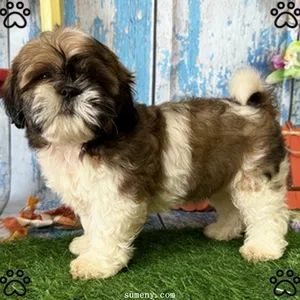
Understanding the Shih Tzu Personality
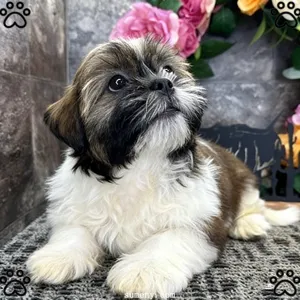
The affectionate, gentle, and charming Shih Tzu is one of the world's most beloved toy breeds, esteemed for its sweet temperament and regal appearance. To make discussions about their traits more relatable, educators might use friendly example names like Olander and Raeka when illustrating typical Shih Tzu behaviors.
Shih Tzu Breed Overview
The Shih Tzu is a charming and affectionate toy breed, renowned for its sweet disposition, luxurious coat, and friendly nature. Known for their distinctive facial features and flowing hair, Shih Tzu puppies require gentle training, early socialization, and dedicated grooming to develop into well-mannered, loving companions.
Bred as companion dogs for royalty, the Shih Tzu thrives on human affection and close companionship. They are true lap dogs that form strong bonds with their families and prefer to be involved in all household activities. Their gentle and outgoing personality makes them excellent pets for various living situations, including apartments, as long as their grooming and social needs are met.
Prospective owners must understand this breed's significant grooming requirements. Their beautiful long coat demands daily brushing to prevent painful mats and tangles, along with regular professional grooming. Additionally, their flat facial structure (brachycephalic) requires awareness of potential breathing difficulties, especially in hot or humid weather, making climate-controlled environments important.
This breed overview serves an educational purpose. It highlights the importance of understanding the specific needs of this small companion breed, including their potential health considerations (such as eye issues, dental problems, and respiratory concerns) and the substantial commitment required for grooming, regular veterinary care, and providing constant loving attention. Consulting with a veterinarian experienced with toy breeds and connecting with reputable Shih Tzu organizations are essential steps for anyone considering this delightful and devoted companion.
Read More ➤
Shih Tzu Breed Characteristics & Profile
| Breed Classification | Toy Group (AKC), Companion Breed |
|---|---|
| Average Size Range | 9-16 lbs (a sturdy, small dog) |
| Typical Height | 8-11 inches at the shoulder |
| Life Expectancy | 10-16 years with excellent care |
| Coat Type | Long, flowing, double coat that grows continuously. Requires daily grooming to prevent mats. |
| Common Colors | Gold, White, Black, Brindle, Liver, or various combinations. Often has a distinctive dark mask. |
| Energy Level | Low to Moderate (more of a companion than an athlete; enjoys short play sessions) |
| Exercise Needs | Low; happy with short daily walks (20-30 minutes) and indoor play. Well-suited to apartment living. |
| Grooming Requirements | Very High; requires daily brushing and professional grooming every 3-4 weeks to maintain coat health and hygiene. Many owners opt for a shorter "puppy cut" for easier maintenance. |
| Temperament Traits | Affectionate, Playful, Outgoing, Charming, Alert, Adaptable, Good-natured |
| Trainability | Intelligent but can be independent-minded. Responds best to positive, patient, and consistent training. Housebreaking may require extra patience. |
| Common Health Considerations | Brachycephalic Syndrome (breathing issues), Eye Problems (Progressive Retinal Atrophy, corneal ulcers), Dental Issues, Hip Dysplasia, Patellar Luxation |
| Good With | Excellent with families, singles, seniors, and children (with gentle handling). Generally good with other pets. Their friendly nature makes them poor watchdogs but wonderful companions. |
| Origin & History | Tibet/China (ancient breed), Bred as companion dogs for Chinese royalty, with lineage possibly dating back over 1,000 years. |
Adoption Pathways & Resource Guidance
If you're considering providing a home to a Shih Tzu through adoption, it is crucial to first thoroughly research this charming toy breed's specific needs and characteristics. The following outlines general search pathways and essential considerations for prospective adopters of this affectionate and gentle companion.
1 Breed-Specific Rescue Organizations
The most knowledgeable resource is often a dedicated Shih Tzu or small/toy breed rescue organization. These groups specialize in the breed, understand their unique grooming needs, potential health issues (like eye and respiratory concerns), and loving temperament. They are committed to conducting thorough screenings and matching dogs with suitable homes that can provide the high level of care and companionship this breed requires.
2 Animal Shelters & General Adoption Platforms
Shih Tzus can sometimes be found in public shelters or through general small dog rescue organizations. Reputable online adoption databases and local shelters may list them. It is important to work with shelter staff to obtain any available behavioral and medical history, paying special attention to dental records, eye health, and grooming condition. Spend quality time interacting with the dog to assess its temperament, comfort with handling, and overall personality.
Critical Consideration for High-Maintenance Toy Breeds:
Adopting an adult Shih Tzu can be wonderfully rewarding but comes with important considerations. They may have significant grooming neglect, dental issues, or require adjustment to a new grooming routine. Their brachycephalic (flat-faced) nature requires awareness of breathing limitations. Be prepared for potential veterinary costs for dental care and to invest significant time in daily grooming from day one.
Shih Tzu Adoption Readiness & Responsibility Checklist
The Shih Tzu Journey: Cultivating a Royal Companion
Welcoming a Shih Tzu puppy into your home is the beginning of a special relationship with a breed bred for companionship and affection. From their earliest days, these charming pups display the sweet nature and loving disposition that have made them cherished companions for centuries.
Early Foundations: Nurturing a Gentle Spirit
During the critical first 8-12 weeks, Shih Tzu puppies develop the emotional and social foundations for their future. Their natural affinity for people is evident as they seek comfort and interaction. This period focuses on gentle handling and positive exposure—introducing them to soft voices, various household sounds, and different people in a calm manner. Establishing trust and security during these early weeks helps shape a confident, well-adjusted adult who sees the world as a friendly place.
Heritage in Their Genes: The Legacy of an Ancient Companion
Every Shih Tzu carries the proud legacy of a breed developed exclusively as a companion to royalty. Bred for affection, charm, and a pleasing disposition rather than work or hunting, they possess a unique purpose: to provide love and companionship. Understanding this heritage explains why they thrive on close human contact, gentle attention, and being treated as valued family members. They are living reminders that some dogs were created simply to be loved and to love in return.
The Socialization Window: Building a Confident Companion
The socialization window (approximately 3 to 14 weeks) is important for the Shih Tzu. Positive, low-stress introductions to various people, gentle dogs, and new environments help ensure they grow into friendly, adaptable adults. The goal is to reinforce their naturally outgoing nature while teaching them polite manners. A well-socialized Shih Tzu is comfortable in various situations, from quiet home life to polite encounters with visitors.
Physical Development and Coat Care: A Dual Focus
The Shih Tzu grows into a sturdy, small frame, but their most demanding development is their luxurious coat. From puppyhood, regular, gentle grooming sessions are essential—not just for coat health but to teach them to accept and enjoy handling. Proper nutrition supports overall health, while regular veterinary check-ups monitor for breed-specific concerns like eye issues or dental problems. Their brachycephalic (flat-faced) structure requires awareness of temperature sensitivity and breathing comfort.
Becoming a Cherished Family Member: The Bond of Affection
When a Shih Tzu puppy joins a family, it begins a bond centered on mutual affection and companionship. Successful integration involves providing consistent love, gentle guidance, and making grooming a positive, bonding experience. Training should be patient and reward-based, focusing on building a cooperative relationship. With loving care, clear routines, and abundant affection, Shih Tzu puppies mature into the devoted, charming companions they are renowned to be.
Raising a Shih Tzu is a commitment to nurturing a gentle heart. When raised with an understanding of their companion heritage, provided with dedicated grooming and healthcare, and embraced with the love they naturally give, they fulfill their beautiful purpose as one of the most affectionate and delightful companion breeds in the world.
Read More ➤
Shih Tzu Care & Training Essentials
Important Information
This website is intended to provide educational and informational resources related to the Shih Tzu breed. We are not a rescue organization and do not directly facilitate pet adoptions, nor are any dogs physically located at our site. The dogs mentioned on this site (such as "Olander" or "Raeka") are presented solely as illustrative examples of breed appearance and characteristics and do not indicate their current availability for adoption. For all adoption matters, please be sure to verify and contact the reputable third‑party platforms or rescue agencies recommended in the "Adoption Pathways & Resource Guidance" section above.