Welcome to the World of Pugs
Understanding the Pug Personality
The charming, affectionate, and comical Pug is one of the world's most beloved small companion breeds, esteemed for its even temperament, loving nature, and expressive face. To make discussions about their traits more relatable, educators might use a friendly example name like Daphne when illustrating typical Pug behaviors.
Pug Breed Overview
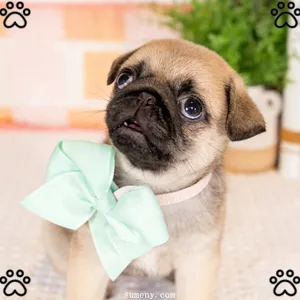
The Pug is a charming, affectionate, and distinctive small breed, renowned for its even temperament, loving nature, and unique physical appearance. Known for their compact, muscular body, deep facial wrinkles, and large, expressive eyes, Pug puppies require patient training, gentle socialization, and attentive care to develop into the well-mannered, devoted companions they are cherished as.
Bred for centuries as companion dogs, the modern Pug excels in the role of a loving lap dog and family member. They are known for their stable, good-humored personality and thrive on human companionship, often forming deep bonds with their owners. Their playful yet placid nature makes them excellent pets for various lifestyles, including apartments, as long as their specific health and environmental needs are carefully managed.
Prospective owners must be fully aware of this breed's significant health considerations due to its brachycephalic (flat-faced) structure. This anatomy makes Pugs prone to breathing difficulties, heat intolerance, and requires careful monitoring during activity and in warm weather. Responsible ownership includes maintaining a healthy weight, providing a climate-controlled environment, and establishing a relationship with a veterinarian experienced with brachycephalic breeds. Their distinctive facial wrinkles also demand daily cleaning to prevent infections.
This breed overview serves an educational purpose. It highlights the importance of understanding the specific needs of this unique companion breed, including their potential health considerations (such as respiratory issues, eye problems, obesity, and joint conditions) and the commitment required for specialized veterinary care, daily grooming routines, and providing a suitable living environment. Consulting with a veterinarian experienced with Pugs and connecting with reputable Pug organizations are essential steps for anyone considering this delightful but health-sensitive companion.
Read More ➤
Pug Breed Characteristics & Profile
| Breed Classification | Toy Group (AKC), Companion Breed |
|---|---|
| Average Size Range | 14-18 lbs - a small, sturdy, and compact dog with a square proportion |
| Typical Height | 10-13 inches at the shoulder |
| Life Expectancy | 13-15 years with proper care |
| Coat Type | Short, smooth, and fine; glossy coat. Moderate, year-round shedding that can be surprisingly heavy for a small dog. |
| Common Colors | Fawn or Black, often with a distinctive black mask on the face. Some pugs may have a silver-fawn or apricot coat. |
| Energy Level | Medium (playful but not overly active; enjoys short bursts of play followed by long naps) |
| Exercise Needs | Low to Moderate; requires 20-30 minutes of daily exercise (short walks, indoor play) due to brachycephalic (flat-faced) structure. Overheating and respiratory issues can occur with excessive activity. |
| Grooming Requirements | Moderate; weekly brushing helps control shedding. Requires regular facial wrinkle cleaning to prevent infection. Bathing as needed. |
| Temperament Traits | Charming, Playful, Affectionate, Loyal, Sociable, Gentle, Clever, Can be Stubborn |
| Trainability | Intelligent but can be willful and sensitive. Responds best to positive reinforcement with food rewards and praise. Harsh training methods should be avoided. Early socialization is recommended. |
| Common Health Considerations | Brachycephalic Obstructive Airway Syndrome (BOAS), Eye Problems (corneal ulcers, dry eye), Skin Infections in Wrinkles, Hip Dysplasia, Patellar Luxation, Obesity, Pug Dog Encephalitis (PDE) |
| Good With | Excellent with families, children, and other pets. Known as "shadows" for their desire to be with their owners constantly. Generally friendly with strangers and good in multi-pet households. |
| Origin & History | Ancient China, with roots dating back to the Han Dynasty (circa 206 BC - 200 AD). Bred as companion dogs for Chinese nobility. Later brought to Europe in the 16th-17th centuries by traders, becoming favorites in royal courts. |
Adoption Pathways & Resource Guidance for Pugs
If you're considering providing a home to a Pug like Daphne through adoption, it is crucial to first thoroughly research this charming yet medically complex breed's specific needs. The following outlines general search pathways and essential considerations for prospective adopters of this affectionate but health-sensitive companion.
1 Breed-Specific Rescue Organizations
Pug-specific rescue organizations are often the most knowledgeable resource, as they have specialized experience with the breed's unique health challenges, including breathing difficulties (BOAS), eye problems, and skin infections in facial wrinkles. These groups understand the breed's specific grooming needs, exercise limitations due to their brachycephalic structure, and potential neurological conditions like Pug Dog Encephalitis. They conduct careful screenings to match dogs with homes prepared for their medical requirements and companion-focused lifestyle.
2 Animal Shelters & General Adoption Platforms
Pugs are sometimes surrendered to public shelters or general breed rescues by owners unprepared for their medical expenses, grooming requirements, or shedding. Reputable online adoption databases and local shelters may have them available. When considering a Pug, it is imperative to work with shelter staff to obtain any available medical history, with particular attention to respiratory health, eye conditions, and neurological screening. Spend time observing the dog's breathing patterns, energy levels, and overall comfort.
Critical Consideration for a Health-Sensitive Breed:
Adopting a Pug, especially with an unknown medical history, requires serious preparation for breed-specific health issues. They are prone to costly respiratory problems (BOAS), eye injuries, skin infections, and neurological conditions. Be financially prepared for potential specialized veterinary care, including possible airway surgery. Due to their breathing limitations, they cannot tolerate heat, humidity, or excessive exercise. Their affectionate "clingy" nature means they don't do well being left alone for long periods. Honest assessment of your ability to manage ongoing medical needs is essential.
Pug Adoption Readiness & Responsibility Checklist
The Pug Journey: Nurturing the Ancient Companion
Welcoming a Pug puppy like Daphne into your life is to invite centuries of companionship, charm, and unwavering devotion into your home. From their earliest moments, these compact pups display the affectionate nature, comical expressions, and loving heart that have made them cherished companions across continents and cultures.
Early Foundations: Caring for a Delightfully Fragile Puppy
During the critical first 8-12 weeks, Pug puppies require attentive, gentle care as they develop their distinct personality and physical traits. This period focuses on gentle handling, facial hygiene routines, and early exposure to varied yet calm environments—introducing them to daily wrinkle cleaning, teaching them to tolerate paw and eye handling, and building confidence without overstimulation. Establishing a quiet, secure environment with consistent routines during these formative weeks is crucial for shaping a well-adjusted adult who is both a loving companion and a confident small dog.
Heritage in Their Wrinkles: The Legacy of Imperial Companions
Every Pug carries the proud legacy of a breed that once graced the palaces of Chinese emperors. Bred exclusively as companion dogs, they were selected for their loving temperament, compact size, and distinctive facial features that resembled the Chinese character for "prince." This history is evident in the modern Pug: their desire for constant human contact reflects their royal companion origins, their dignified demeanor belies their comical nature, and their expressive face tells a story of ancient breeding. Understanding this companion heritage explains their need to be constantly near their humans, their sensitivity to loneliness, and their role as "shadow dogs."
The Socialization Window: Building a Confident and Well-Adjusted Companion
The socialization window (approximately 3 to 16 weeks) is essential for the Pug. Given their small size and potential for respiratory limitations, positive, controlled exposures to various people, gentle animals, and calm environments are crucial. The goal is to reinforce their naturally sociable disposition while teaching them appropriate responses to new situations, always mindful of avoiding overheating or respiratory distress. A well-socialized Pug is a wonderful family member—friendly, adaptable, and stable in most home environments.
Physical and Health Development: Supporting a Unique Physiology
The Pug grows from a tiny pup into a sturdy, compact adult with unique physiological needs. Proper nutrition is vital to support healthy growth while preventing obesity, which can exacerbate their brachycephalic traits. Their health development requires special attention: regular veterinary checks for respiratory function, eye health monitoring, and careful observation of skin folds. Their mental development, however, shines in their clever, sometimes stubborn nature. Incorporating gentle, positive reinforcement training from puppyhood is essential to channel their intelligence and prevent the development of small dog syndrome behaviors.
Becoming a Family Heart: The Bond of Constant Devotion
When a Pug puppy joins a family, it begins a bond characterized by constant companionship and mutual affection. Successful integration requires an owner who provides consistent care, gentle leadership, and plenty of lap time. Training should be patient, positive, and food-motivated. With understanding of their health limitations, recognition of their need for both affection and structure, and appreciation for their unique, charming personality, Pug puppies mature into the devoted, entertaining, and loving companions they are destined to be.
Raising a Pug is a commitment to gentle, attentive care. When raised with an understanding of their special health needs, provided with the loving companionship they crave, and appreciated for their wonderfully expressive and steadfast spirit, they fulfill their magnificent potential as one of the most affectionate, amusing, and devoted companion breeds in the world.
Read More ➤
Pug Care & Training Essentials
Important Information
This website is intended to provide educational and informational resources related to the Pug breed. We are not a rescue organization and do not directly facilitate pet adoptions, nor are any dogs physically located at our site. The dogs mentioned on this site (such as "Daphne") are presented solely as illustrative examples of breed appearance and characteristics and do not indicate their current availability for adoption. For all adoption matters, please be sure to verify and contact the reputable third‑party platforms or rescue agencies recommended in the "Adoption Pathways & Resource Guidance" section above.