Welcome to the World of Poodles
Understanding the Poodle Personality
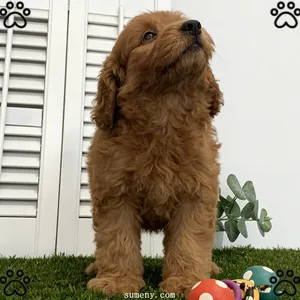
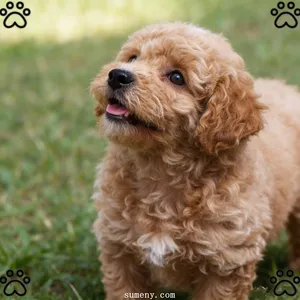
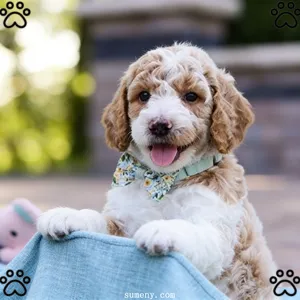
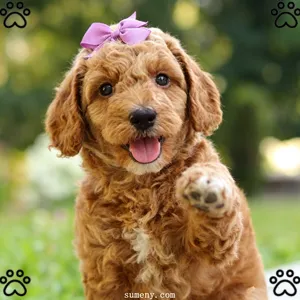
The exceptionally intelligent and elegant Poodle, beloved in its Toy, Miniature, and Standard varieties, is renowned for its trainability and hypoallergenic coat. To make discussions about their traits more relatable, educators might use friendly example names like Daisy, Zach, or Layla when illustrating typical Poodle behaviors across all sizes.
Poodle Breed Overview
The Poodle, in its Standard, Miniature, and Toy varieties, is a breed universally celebrated for its remarkable intelligence, elegant appearance, and hypoallergenic, non-shedding coat. Known for their eagerness to learn and perform, Poodle puppies of all sizes thrive on positive, engaging training and early socialization to channel their sharp minds and athleticism into becoming versatile companions, excelling in everything from family life to dog sports.
While profoundly devoted and often comically intuitive with their families, the Poodle's intelligence requires consistent mental stimulation. They are highly observant and can become bored or develop nuisance behaviors if not adequately engaged. Their size range offers versatility: Toys and Miniatures are superb urban companions, while Standards often retain more of the athleticism and stamina from their history as water retrievers. All sizes require regular, vigorous activity suited to their stature.
Prospective owners must be prepared for a dog with arguably the highest grooming demands of any popular breed. Their unique curly coat grows continuously and requires regular brushing at home and professional clipping every 4 to 6 weeks to prevent mats and maintain health. This grooming is not merely cosmetic—it is essential for their comfort and hygiene. Their intelligence makes training a joy, but they respond best to positive, varied methods that challenge their minds and prevent boredom.
This breed overview serves an educational purpose. It highlights the importance of understanding the needs of a highly intelligent and active breed, such as their substantial requirement for both physical and mental exercise, the non-negotiable grooming commitment, and health considerations that may vary by size (like joint issues in larger Standards or dental concerns in smaller varieties). Consulting with a veterinarian and a reputable groomer familiar with the breed are essential first steps for anyone considering this exceptional and charismatic dog.
Read More ➤
Poodle Breed Characteristics & Profile
| Breed Classification | Non-Sporting Group (AKC) – Note: Officially classified here, but all sizes share working/retrieving heritage. |
|---|---|
| Average Size Range | Toy: 4-6 lbs | Miniature: 10-15 lbs | Standard: 45-70 lbs (males larger) |
| Typical Height | Toy: Under 10 inches | Miniature: 10-15 inches | Standard: Over 15 inches (usually 22-27 inches) |
| Life Expectancy | 10-18 years (smaller varieties often live longer) |
| Coat Type | Curly, dense, single-layer coat of fine, woolly hair; non-shedding and considered hypoallergenic. Texture can vary from soft to coarse. |
| Common Colors | Wide variety including White, Black, Silver, Gray, Blue, Apricot, Cream, Brown, Café-au-lait, and parti-color. |
| Energy Level | Moderate to High (all sizes are active and intelligent, requiring regular engagement) |
| Exercise Needs | Moderate to High; needs daily walks plus play/training. Standards typically require the most vigorous exercise. |
| Grooming Requirements | Extremely High; professional grooming every 4-6 weeks is mandatory to prevent severe mats. Daily home brushing is also required. |
| Temperament Traits | Intelligent, Active, Alert, Trainable, Proud, Instinctually Athletic, Often Attentive to Their Owners |
| Trainability | Exceptionally high; considered one of the most intelligent and eager-to-please breeds. Excel in obedience, agility, and all forms of dog sports. |
| Common Health Considerations | Hip Dysplasia (Standards), Patellar Luxation (Toys/Miniatures), Progressive Retinal Atrophy (PRA), Addison's Disease, Bloat (Standards), Dental Issues (all, especially small varieties). |
| Good With | Families, Children, Other Pets (with socialization); Excellent family dogs. Standards may be more reserved with strangers. All sizes thrive on companionship. |
| Origin & History | Germany (developed as a water retriever), France (refined as a companion); The smaller varieties were bred down from the Standard Poodle. |
Adoption Pathways & Resource Guidance
If you're considering welcoming a Poodle (of any size) into your home through adoption, it is crucial to first understand the breed's defining commitments: exceptional intelligence requiring mental engagement, and a non-negotiable, lifelong grooming regimen. The following outlines search pathways and essential considerations.
1 Poodle-Specific & Size-Specific Rescue Organizations
Dedicated Poodle rescue organizations are invaluable. They deeply understand the breed's needs across all sizes—from the athletic Standard to the tiny Toy. Some rescues even specialize in a particular size. These groups are best equipped to assess a dog's temperament, grooming condition, and match them with an adopter prepared for the specific responsibilities of that size.
2 Animal Shelters & General Adoption Platforms
Poodles of all sizes can appear in shelters, often surrendered due to the overwhelming cost and time commitment of grooming, or because their intelligence led to under-stimulation and behavioral issues. When inquiring, ask detailed questions about the dog's known grooming history, any signs of matting, their energy level, and what mental stimulation they have received.
Critical Consideration for High-Maintenance Breeds:
A Poodle in a shelter may have severe coat neglect requiring a professional “shave down,” which can be costly and stressful. Their clever minds, if bored, may have developed habits like excessive barking or anxiety. Be financially and emotionally prepared for rehabilitation in grooming, health, and behavior. Honesty about your ability to meet these needs is paramount.
Poodle Adoption Readiness & Responsibility Checklist
Understanding Poodle Development: From Puppy to Accomplished Partner
The journey of a Poodle puppy is an intellectual and athletic unfolding, where remarkable potential is shaped into a versatile and elegant companion. From their earliest weeks, these alert pups demonstrate the quick wit and observant nature that ranks them among the canine world's most intelligent breeds, regardless of whether they are Toy, Miniature, or Standard.
The Formative Weeks: Wiring a Brilliant Mind
During the critical first 8-12 weeks, Poodle puppies are neural sponges, forming connections at an astounding rate. Their innate problem-solving abilities and sensitivity to their environment become apparent almost immediately. This period is not just about socialization; it's about cognitive enrichment—introducing simple puzzles, varied textures, and gentle, positive training games to build neural pathways. This early mental stimulation is as crucial as physical care in preventing the boredom-related behaviors they are prone to.
Heritage in Their Genes: From Water Retriever to Refined Companion
Every Poodle, from the sturdy Standard to the tiny Toy, carries the legacy of a purpose-built working dog. Originally bred as skilled water retrievers in Germany, they possess athleticism, a “soft mouth,” and a water-resistant curly coat. Through refinement, particularly in France, their intelligence was honed for companionship and performance. This dual heritage explains their unique combination: a tireless working ethic coupled with a dignified, people-oriented sensibility. They are thinkers and doers, not mere lap warmers.
The Socialization Window: Shaping a Confident and Adaptable Worldview
Between 3 and 14 weeks, the Poodle puppy's "socialization window" is critical for developing a stable temperament. Positive, controlled exposures to a vast array of people, animals, sounds, and environments help ensure their sharp minds process novelty with curiosity rather than anxiety or suspicion. A well-socialized Poodle learns to be poised and adaptable—a trait essential for a breed often involved in therapy work, dog sports, and bustling family life.
Coat Development & Grooming: Establishing a Non-Negotiable Routine
The Poodle's iconic curly coat begins as a soft, wavy puppy coat that transitions to the dense, continuously growing adult curls. Introducing gentle, daily brushing and positive handling of paws, ears, and face from the first day is paramount. This is not optional maintenance; it is the foundation of a lifelong grooming discipline required for their health and comfort. Neglect leads to painful matting and skin issues. This early routine shapes their acceptance of grooming as a normal part of life.
Becoming Family: Partnering with a Keen Intellect
When a Poodle puppy joins its forever home, it begins a partnership based on mutual learning and respect. Successful integration involves providing clear structure, abundant mental challenges (training, tricks, puzzles), and physical exercise tailored to its size. Their intelligence means they learn desired behaviors quickly, but also undesired ones if inconsistently guided. With patient, positive, and engaging leadership, Poodle puppies mature into exceptionally loyal, intuitive, and accomplished partners, capable of deep bonds and impressive feats of learning.
This developmental journey underscores that a Poodle is a commitment to nurturing both mind and body. When raised with intellectual engagement, unwavering grooming care, and an understanding of their dignified heritage, they fulfill their extraordinary potential as one of the most capable, versatile, and beloved breeds across the globe.
Read More ➤
Poodle Care & Training Essentials
Important Information
This website is intended to provide educational and informational resources related to the Poodle breed. We are not a rescue organization and do not directly facilitate pet adoptions, nor are any dogs physically located at our site. The dogs mentioned on this site (such as "Daisy") are presented solely as illustrative examples of breed appearance and characteristics and do not indicate their current availability for adoption. For all adoption matters, please be sure to verify and contact the reputable third‑party platforms or rescue agencies recommended in the "Adoption Pathways & Resource Guidance" section above.