Welcome to the World of Miniature Schnauzers
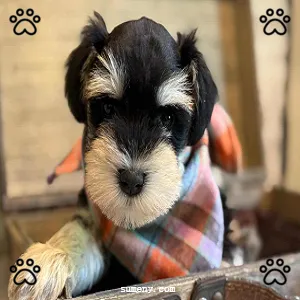
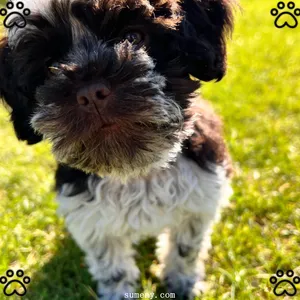
Understanding the Miniature Schnauzer Personality
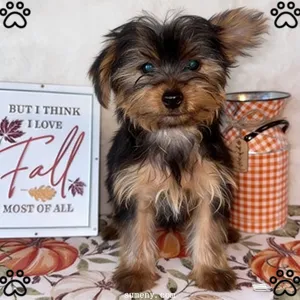
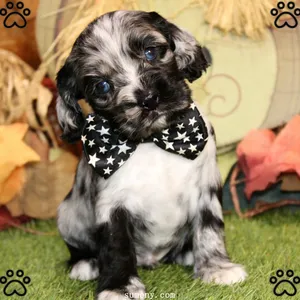
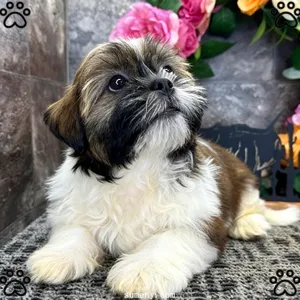
The intelligent, spirited, and loyal Miniature Schnauzer is one of the world's most popular small companion breeds, esteemed for its distinctive appearance and big personality. To make discussions about their traits more relatable, educators might use friendly example names like Vivian, Calder, and Mercy when illustrating typical Miniature Schnauzer behaviors.
Miniature Schnauzer Breed Overview
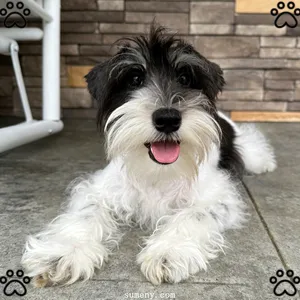
The Miniature Schnauzer is a distinctive and spirited small terrier breed, renowned for its intelligence, alertness, and loyal nature. Known for their wiry coat, bushy eyebrows, and characteristic beard, Miniature Schnauzer puppies require consistent training, early socialization, and regular grooming to develop into well-rounded, affectionate family companions.
While small in stature, the Miniature Schnauzer's personality is large and confident. They are highly intelligent dogs with a strong terrier spirit, forming deep bonds with their families while retaining an independent streak. They thrive with owners who can provide clear, consistent leadership, ample mental stimulation, and plenty of affection. Regular interactive play and mental challenges are essential for their well-being and to prevent boredom-related behaviors such as barking or digging.
Prospective owners must understand this breed's alert and sometimes vocal nature. They are typically friendly and curious but can be reserved with strangers and have a strong watchdog instinct, which makes proper, ongoing socialization from an early age critically important. Their intelligence means they learn quickly but also requires that training be engaging, patient, and based on positive reinforcement to maintain their interest and cooperation.
This breed overview serves an educational purpose. It highlights the importance of understanding the specific needs of this energetic and intelligent small breed, including their potential for certain health considerations (such as pancreatitis, bladder stones, and certain eye conditions) and the commitment required for grooming, training, and companionship. Consulting with a veterinarian familiar with the breed and seeking guidance from reputable Miniature Schnauzer clubs or professional trainers are essential steps for anyone considering this charming and lively companion.
Read More ➤
Miniature Schnauzer Breed Characteristics & Profile
| Breed Classification | Terrier Group (AKC), Companion & Watchdog Breed |
|---|---|
| Average Size Range | 11-20 lbs (males typically larger than females) |
| Typical Height | 12-14 inches at the shoulder |
| Life Expectancy | 12-15 years with proper care |
| Coat Type | Double coat with a soft undercoat and a hard, wiry, straight outer coat; requires regular grooming and hand-stripping/clipping. |
| Common Colors | Salt & Pepper, Black & Silver, Solid Black (All recognized colors have distinctive facial furnishings - beard and eyebrows). |
| Energy Level | Moderate to High (energetic and playful, requiring regular daily activity) |
| Exercise Needs | Moderate; requires at least 30-60 minutes of daily walks, play, or interactive activities. |
| Grooming Requirements | High; regular brushing several times a week and professional grooming (clipping or hand-stripping) every 5-8 weeks is essential. |
| Temperament Traits | Alert, Friendly, Intelligent, Spirited, Obedient, Fearless, Watchful, Good-natured |
| Trainability | Highly intelligent and trainable, but can have an independent terrier streak. Responds well to positive, consistent training methods. Excels in obedience, agility, and earthdog trials. |
| Common Health Considerations | Pancreatitis, Bladder Stones, Hyperlipidemia, Eye Issues (Cataracts, Progressive Retinal Atrophy), Myotonia Congenita |
| Good With | Families, Children, Other dogs if socialized; Supervised with smaller pets due to terrier prey drive; Excellent watchdogs. |
| Origin & History | Germany (late 19th century), Originally bred from Standard Schnauzers and smaller breeds as efficient farm ratters and alert companions. |
Adoption Pathways & Resource Guidance
If you're considering providing a home to a Miniature Schnauzer through adoption, it is crucial to first thoroughly research the breed's specific needs and characteristics. The following outlines general search pathways and essential considerations for prospective adopters of this intelligent and spirited small breed.
1 Breed-Specific Rescue Organizations
The most knowledgeable resource is often a dedicated Miniature Schnauzer or Schnauzer-specific rescue organization. These groups specialize in the breed, understand their unique temperament, grooming needs, and common health issues, and are committed to matching dogs with suitable homes. They conduct thorough screenings and can provide invaluable post-adoption support, including grooming advice.
2 Animal Shelters & General Adoption Platforms
Miniature Schnauzers are popular and can occasionally be found in public shelters or through general small dog rescue organizations. Reputable online adoption databases and local shelters may have them available. It is important to work with shelter staff to obtain a complete behavioral and medical history, and to spend time interacting with the dog to assess its temperament, energy level, and any potential behavioral quirks like excessive barking.
Critical Consideration for Terrier Breeds:
Adopting an adult Miniature Schnauzer can be rewarding but requires understanding their terrier nature. They may have established habits, such as a strong prey drive or vocal tendencies. Be prepared to invest time in training, mental stimulation, and adapting to their energetic personality. An honest assessment of your tolerance for barking and your commitment to regular grooming is essential.
Miniature Schnauzer Adoption Readiness & Responsibility Checklist
The Miniature Schnauzer Journey: Growing Up with Personality
Witnessing a Miniature Schnauzer puppy grow is like watching a small package of personality slowly unwrap itself. What begins as a fuzzy bundle quickly reveals an individual brimming with character—intelligent, sassy, and utterly devoted to their people.
Early Impressions: The Blueprint of Temperament
Those first two months are when the puppy's worldview is being sketched. Miniature Schnauzers are remarkably observant, soaking up every sound, scent, and social cue. This is the time to paint that picture with broad, positive strokes—introducing car rides, gentle vacuum cleaner noises, friendly visitors, and different floor surfaces. The goal isn't just exposure, but creating positive associations that build a resilient and curious adult, not a nervous one.
A Breed With a Job: The Instincts Beneath the Charm
Don't let the cute beard fool you. This breed was designed for purpose. Their ancestors patrolled barns, their sharp bark warning of intruders and their quick reflexes dispatching vermin. This history lives on in your puppy: the alert tilt of the head at a strange sound, the intense focus during a game of fetch (a modern stand-in for chasing a rat), and the confident stance. They aren't just pets; they are small, furry sentinels who take their self-appointed role seriously.
The Critical "Yes" Phase: Building Social Smarts
Between puppyhood and adolescence, your Miniature Schnauzer is forming their social rulebook. Every encounter teaches them something. Meeting a calm older dog? That teaches "other dogs are friends." A child offering a treat? That teaches "small humans are nice." The opposite is also true. This is your chance to fill their rulebook with good "yeses"—yes, the mail carrier is fine; yes, the neighbor's cat is not for chasing (ideally); yes, the grooming table is a place for treats, not drama. A well-socialized Schnauzer is a polite and joyful member of society.
Feeding Body and Brain: The Dual Engine of Development
Their physical growth is straightforward, but their mental engine runs just as hot. A bored Miniature Schnauzer is an inventor of mischief. They don't just need to run; they need to think. Food puzzles, short training sessions teaching new tricks, "find it" games with treats hidden around the room—these activities tire them out mentally in a way a simple walk cannot. Matching their dietary needs (often tailored for small, active breeds) with this cognitive diet is the key to a balanced dog.
Earning a Place in the Pack: The Bond of Mutual Respect
This breed respects leadership but resents tyranny. They don't respond to bullying; they respond to clever, consistent guidance. When you teach "sit" with patience and reward, you're not just training an action, you're building a dialogue. You become their trusted guide. In return, they offer unwavering loyalty, hilarious antics, and a protective presence that belies their size. The bond isn't one of master and servant, but of respected captain and spirited first mate.
Raising a Miniature Schnauzer is an exercise in joyful partnership. It's about channeling their innate drive into positive outlets, appreciating their unique terrier perspective, and committing to the grooming and care that keeps them healthy and handsome. The reward is a companion of immense character—a small dog with a enormous heart and a personality that forever stamps itself on your home and life.
Read More ➤
Miniature Schnauzer Care & Training Essentials
Important Information
This website is intended to provide educational and informational resources related to the Miniature Schnauzer breed. We are not a rescue organization and do not directly facilitate pet adoptions, nor are any dogs physically located at our site. The dogs mentioned on this site (such as "Vivian", "Calder", or "Mercy") are presented solely as illustrative examples of breed appearance and characteristics and do not indicate their current availability for adoption. For all adoption matters, please be sure to verify and contact the reputable third‑party platforms or rescue agencies recommended in the "Adoption Pathways & Resource Guidance" section above.