Welcome to the World of Miniature Pinschers
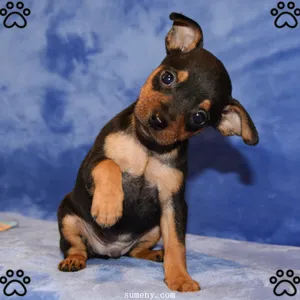
Understanding the Miniature Pinscher Personality
The fearless, energetic, and loyal Miniature Pinscher is one of the world's most distinctive toy breeds, esteemed for its bold spirit, intelligence, and unwavering self-confidence. To make discussions about their traits more relatable, educators might use a friendly example name like Bagder when illustrating typical Miniature Pinscher behaviors.
Miniature Pinscher Breed Overview
The Miniature Pinscher is a bold and spirited toy breed, renowned for its fearless nature, boundless energy, and loyal companionship. Known for their sleek, compact build, distinctive "hackney" gait, and alert expression, Miniature Pinscher puppies require patient, consistent training, early socialization, and ample mental stimulation to develop into the confident, well-mannered companions they are cherished as.
Often called the "King of Toys," the Miniature Pinscher possesses a personality far larger than its small stature suggests. Originally bred in Germany as an efficient ratter, they are intelligent, independent, and endlessly curious dogs that thrive in homes where they are included as active family members. They are not typical lap dogs; their high energy and alertness make them lively, engaging companions for owners who appreciate their big-dog attitude in a small package.
Prospective owners must understand this breed's need for engagement and secure boundaries. They are intelligent and can be willful, requiring consistent, positive reinforcement training from an early age. Their high prey drive and fearless nature mean a securely fenced yard or leash-only outings are non-negotiable for safety. Despite their tough exterior, they form deep bonds with their families and can be sensitive to their owner's emotions.
This breed overview serves an educational purpose. It highlights the importance of understanding the specific needs of this active, intelligent small breed, including their potential health considerations (such as patellar luxation, certain eye conditions, and Legg-Calvé-Perthes disease) and the commitment required for training, exercise, and providing a safe, stimulating environment. Consulting with a veterinarian experienced with toy breeds and seeking guidance from reputable Miniature Pinscher clubs are essential steps for anyone considering this charismatic but strong-willed companion.
Read More ➤
Miniature Pinscher Breed Characteristics & Profile
| Breed Classification | Toy Group (AKC), Companion & Watchdog Breed |
|---|---|
| Average Size Range | 8-10 lbs (a small, sturdy dog; males and females similar in size) |
| Typical Height | 10-12.5 inches at the shoulder |
| Life Expectancy | 12-16 years with excellent care |
| Coat Type | Short, smooth, and glossy; lies close to the body with no undercoat. Very low shedding. |
| Common Colors | Solid Red, Stag Red, Black & Rust, Chocolate & Rust. Often has distinctive markings above eyes, on muzzle, chest, and legs. |
| Energy Level | Very High (a bundle of energy in a small package, requires regular activity and mental engagement) |
| Exercise Needs | Moderate to High; requires at least 30-45 minutes of brisk daily walks plus active play and mental challenges. They enjoy having a "job" or playing fetch. |
| Grooming Requirements | Very Low; occasional brushing with a soft bristle brush or grooming mitt is sufficient to remove loose hairs and maintain shine. Bathing only as needed. |
| Temperament Traits | Fearless, Alert, Energetic, Loyal, Curious, Clever, Proud, Can be Stubborn, Good-natured |
| Trainability | Intelligent and quick to learn, but independent and can be strong-willed. Responds best to positive, consistent, and patient training methods. Early socialization is critical. |
| Common Health Considerations | Patellar Luxation, Legg-Calvé-Perthes Disease, Eye Issues (Progressive Retinal Atrophy, Cataracts), Hypothyroidism, Heart Conditions (Mitral Valve Disease) |
| Good With | Families, Singles, Seniors (with an active lifestyle). Can be good with older, respectful children. May be reserved with strangers and assertive with other dogs; early socialization is key. Excellent watchdogs. |
| Origin & History | Germany (several centuries old), Developed from small German breeds like the Dachshund and Italian Greyhound as an efficient barnyard ratter and alert watchdog. Not a miniature Doberman Pinscher; the breed predates the Doberman. |
Adoption Pathways & Resource Guidance
If you're considering providing a home to a Miniature Pinscher through adoption, it is crucial to first thoroughly research this spirited and intelligent toy breed's specific needs and characteristics. The following outlines general search pathways and essential considerations for prospective adopters of this fearless but demanding small companion.
1 Breed-Specific Rescue Organizations
The most knowledgeable resource is often a dedicated Miniature Pinscher or small/toy breed rescue organization. These groups specialize in the breed, understand their unique "big dog" personality, high energy levels, potential stubbornness, and specific exercise needs. They conduct thorough screenings to match dogs with homes that appreciate their bold temperament and can provide the structure, security, and mental stimulation these intelligent dogs require.
2 Animal Shelters & General Adoption Platforms
Miniature Pinschers can sometimes be found in public shelters or through general small dog rescue organizations. Reputable online adoption databases and local shelters may list them. It is important to work with shelter staff to obtain any available behavioral and medical history, and to spend quality time interacting with the dog to assess its confidence level, energy, reactivity to stimuli, and any signs of fear-based aggression or excessive barking—common issues in the breed if not properly socialized.
Critical Consideration for a Fearless, Independent Toy Breed:
Adopting an adult Miniature Pinscher requires understanding their unique temperament. They are not fragile lap dogs but bold, independent thinkers with high prey drives. They can be challenging to train and may not get along with small pets. Be prepared for a dog that requires a secure environment (they are master escape artists), consistent leadership, and patient socialization. Their confidence can sometimes manifest as aggression towards other dogs if not properly managed.
Miniature Pinscher Adoption Readiness & Responsibility Checklist
The Miniature Pinscher Journey: Cultivating the "King of Toys"
Welcoming a Miniature Pinscher puppy into your home is to begin an adventure with a dog whose confidence far exceeds its size. From their earliest days, these spirited pups display the keen intelligence, bold curiosity, and energetic charm that have earned them the regal nickname "King of Toys."
Early Foundations: Building Confidence with Boundaries
During the critical first 8-12 weeks, Miniature Pinscher puppies develop the independent and inquisitive nature that defines the breed. This period focuses on gentle handling combined with clear, consistent routines—introducing them to household sights and sounds, teaching them to accept being handled for grooming and vet care, and beginning basic housetraining and crate training. Establishing a sense of security and predictable structure during these early weeks is crucial for shaping an adult who is both confident and cooperative.
Heritage in Their Genes: The Legacy of a Fearless Ratting Dog
Every Miniature Pinscher carries the legacy of a breed developed for grit and utility. Bred in German stables and homes as an efficient exterminator of vermin, they were selected for fearlessness, agility, intelligence, and a sharp alertness. This history is alive in your puppy: the lightning-fast reflexes during play, the intense focus on a scurrying insect, and the proud, watchful stance. Understanding this working heritage explains their high energy, prey drive, and need for both physical activity and mental puzzles—they are small dogs with a big job mentality.
The Socialization Window: Shaping a Well-Adjusted Companion
The socialization window (approximately 3 to 14 weeks) is absolutely critical for the Miniature Pinscher. Their natural wariness needs to be carefully shaped into polite confidence. Positive, controlled introductions to a wide variety of people, friendly dogs, and new environments help ensure they mature into stable, well-mannered adults. The goal is to build their boldness on a foundation of positive experiences, preventing the fear-based reactivity or aggression this breed can develop if poorly socialized. A well-socialized "Min Pin" is a delightful, outgoing companion.
Physical and Mental Development: Nurturing a Keen Mind in an Athletic Body
The Miniature Pinscher grows into a sleek, muscular athlete. Proper nutrition supports their high metabolism and lean frame. However, challenging their sharp mind is just as important as exercising their body. From puppyhood, they thrive on short training sessions, food puzzles, and games that tap into their problem-solving skills. This mental workout is essential to prevent boredom, which can lead to destructive chewing or obsessive barking. Their distinctive "hackney" gait—a high-stepping, purposeful trot—is a celebration of their spirited nature.
Becoming a Loyal Companion: The Bond of Mutual Trust
When a Miniature Pinscher puppy joins a family, it begins a relationship built on mutual respect, not submission. They are sensitive to fairness and consistency. Successful integration involves providing firm, kind leadership, secure boundaries, and acknowledging their need to be a involved, contributing member of the household. Training should be fun, varied, and rewarding. With patient guidance, secure management (they are famous escape artists!), and an appreciation for their unique personality, Miniature Pinscher puppies mature into the fiercely loyal, endlessly entertaining, and wonderfully charismatic companions they are destined to be.
Raising a Miniature Pinscher is a commitment to partnering with a tiny titan. When raised with an understanding of their historical role, provided with the structure and stimulation their active minds require, and loved for their larger-than-life spirit, they fully earn their crown as one of the most distinctive and devoted toy breeds in the world.
Read More ➤
Miniature Pinscher Care & Training Essentials
Important Information
This website is intended to provide educational and informational resources related to the Miniature Pinscher breed. We are not a rescue organization and do not directly facilitate pet adoptions, nor are any dogs physically located at our site. The dogs mentioned on this site (such as "Bagder") are presented solely as illustrative examples of breed appearance and characteristics and do not indicate their current availability for adoption. For all adoption matters, please be sure to verify and contact the reputable third‑party platforms or rescue agencies recommended in the "Adoption Pathways & Resource Guidance" section above.