Welcome to the World of Goldendoodles




Understanding the Goldendoodle Personality
The intelligent and friendly Goldendoodle is one of the most popular hybrid breeds, cherished for its wonderful family temperament. To make discussions about their traits more relatable, educators might use friendly example names like Harrison, Ava, Callie, Tinkerbell, Cordelle, Travis, Sonny, or Gracelynn when illustrating typical Goldendoodle behaviors.
Goldendoodle Breed Overview
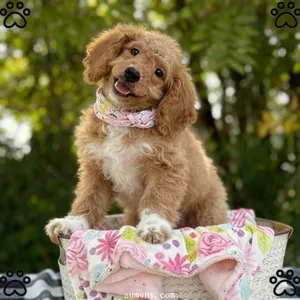
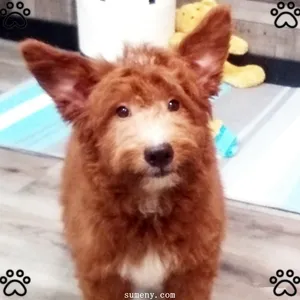
The Goldendoodle, a beloved hybrid of the Golden Retriever and Poodle, is celebrated for its intelligent, friendly nature and often hypoallergenic coat. Known for being exceptionally social and versatile, Goldendoodle puppies thrive on positive engagement and consistent, reward-based training to channel their intelligence and eager-to-please attitude into becoming outstanding family companions and therapy dogs.
While playful and devoted, the Goldendoodle's hybrid background means their size and coat can vary significantly—from medium to large, with coats ranging from wavy to tightly curled. Regular grooming is essential to prevent mats and maintain skin health. Their strong social nature means they form deep bonds with their families and do best in active households where they are not left isolated for long periods.
Prospective owners should be prepared for a dog that is highly intelligent and requires both mental and physical stimulation. They are typically very responsive to training, excelling with positive reinforcement methods. Early and extensive socialization is crucial to ensure they develop into confident, well-mannered adults comfortable in a wide variety of environments, from busy parks to quiet homes.
This breed overview serves an educational purpose. It highlights the importance of understanding hybrid traits, such as their substantial exercise needs and potential health considerations (which may include issues common to larger breeds or their parent lines, like hip dysplasia or certain eye conditions). Consulting with a veterinarian familiar with larger hybrid breeds and connecting with established Goldendoodle communities are highly recommended steps for anyone considering this wonderful and active family member.
Read More ➤
Goldendoodle Breed Characteristics & Profile
| Breed Classification | Hybrid / Designer Breed (Not recognized as a standalone breed by major kennel clubs) |
|---|---|
| Average Size Range | Varies widely: 15-90 lbs, depending on Poodle parent size (Toy, Miniature, or Standard) and generation (F1, F1B, etc.) |
| Typical Height | 13-24 inches at the shoulder |
| Life Expectancy | 10-15 years with proper care |
| Coat Type | Variable; Can be straight, wavy, or curly; Often low- to non-shedding, considered hypoallergenic (especially in later generations like F1B) |
| Common Colors | Cream, Gold, Red, Brown, Black, Parti-color, or Phantom; Often shades of gold/apricot |
| Energy Level | Moderate to High (active, playful, and requires regular engagement) |
| Exercise Needs | High; requires daily vigorous exercise (long walks, runs, play sessions) and mental stimulation |
| Grooming Requirements | High; regular brushing (every 1-3 days) essential to prevent mats, professional grooming every 6-8 weeks recommended |
| Temperament Traits | Friendly, Intelligent, Eager-to-Please, Social, Patient, Family-Oriented |
| Trainability | Exceptionally trainable, highly intelligent, excels in obedience and various dog sports, responds best to positive reinforcement |
| Common Health Considerations | Hip Dysplasia, Elbow Dysplasia, Progressive Retinal Atrophy (PRA), Subvalvular Aortic Stenosis (SAS), Ear Infections |
| Good With | Families, Children, Other Pets, Strangers; Excellent family dogs, often used as therapy or service dogs |
| Origin & History | North America (1990s), Developed initially as a guide/therapy dog breed, combining the Golden Retriever's gentle temperament with the Poodle's intelligence and low-shedding coat |
Adoption Pathways & Resource Guidance
If you're considering welcoming a Goldendoodle into your family through adoption, the following outlines general search pathways to begin your research.
1 National Databases & Hybrid/Breed-Specific Rescues
Large, reputable online pet adoption databases that aggregate listings from numerous shelters and rescues can be a useful starting point for your search. Due to their popularity, dedicated Goldendoodle rescue organizations and networks exist, and rescues for their parent breeds (Golden Retriever and Poodle rescues) also occasionally have mixed-breed dogs available.
2 Local Shelters & Humane Societies
Your local animal shelters and humane societies are always worth checking. While a specific, well-bred hybrid like a Goldendoodle might be less common in shelters, they do frequently receive mixed-breed dogs of all sizes with wonderful temperaments. Visiting in person allows you to meet dogs directly and assess their personality and energy level, which is crucial for an active breed.
Search Tip for Larger Hybrid Breeds:
Be flexible with your search terms. Adoptable dogs may be listed under descriptive labels like “Golden Retriever mix,” “Poodle mix,” “large fluffy dog,” or simply as a friendly mixed breed. When inquiring, ask about the dog's energy level and exercise needs to ensure a good fit for your lifestyle.
Goldendoodle Adoption Preparation Checklist
Understanding Goldendoodle Development: From Puppy to Companion
The journey of a Goldendoodle puppy is an exciting evolution where boundless friendliness meets remarkable intelligence, shaping an ideal family and working companion. From their earliest weeks, these charismatic hybrids begin to demonstrate the adaptable and eager-to-please nature that has made them immensely popular.
The Formative Weeks: Laying the Groundwork for a Gentle Giant
During the critical first 8-12 weeks, Goldendoodle puppies undergo rapid physical and social growth. Their innate sociability and gentle mouthing (a retriever trait) become apparent. This period is fundamental for positive, controlled socialization—exposing them to diverse people, animals, sounds, and surfaces in a positive way helps build the unshakable confidence and stable temperament they are renowned for.
Heritage in Their Genes: A Purposeful Dual Legacy
Every Goldendoodle carries the distinguished legacy of two of the world's most beloved breeds. From the Golden Retriever, they inherit a trustworthy, patient, and exceptionally friendly disposition—a natural family dog. From the Poodle, they gain outstanding intelligence, problem-solving ability, and the coveted hypoallergenic, low-shedding coat. Understanding this heritage explains their versatility as both devoted home companions and capable therapy, service, or agility dogs.
The Socialization Window: Cultivating a Well-Adjusted Companion
Between 3 and 14 weeks, Goldendoodle puppies experience the pivotal "socialization window." Positive, structured experiences during this time are crucial for ensuring their natural enthusiasm is channeled into polite behavior. Well-socialized Goldendoodles learn to approach new situations—from crowded streets to visiting children—with calm curiosity and restraint, making them reliable partners in any setting.
Growth & Grooming: Managing Size and Coat
The Goldendoodle's growth rate and final size can vary greatly. Consistent, high-quality nutrition supports their joint and bone development during this phase. Their coat, which can be straight, wavy, or curly, requires an early introduction to grooming. Gentle, frequent brushing from puppyhood is essential not only to prevent severe matting but also to acclimate them to the handling they will need throughout their life.
Becoming Family: Integrating an Eager Partner
When a Goldendoodle puppy joins their forever home, they bring a joyful willingness to be part of every activity. Successful integration involves providing clear structure, abundant physical exercise, and consistent mental challenges through training and games. Their intelligence means they learn quickly but can invent their own entertainment if bored. With patient, positive leadership, Goldendoodle puppies mature into loyal, intuitive companions who live to love and work alongside their people.
This developmental journey reminds us that every Goldendoodle, from the petite mini to the standard size, carries the potential for greatness. When raised with clear guidance, purposeful engagement, and an appreciation for their hybrid vigor, they fulfill their destiny as some of the most capable and heartwarming companions imaginable.
Read More ➤
Goldendoodle Care & Training Essentials
Important Information
This website is intended to provide educational and informational resources related to the Goldendoodle breed. We are not a rescue organization and do not directly facilitate pet adoptions, nor are any dogs physically located at our site. The dogs mentioned on this site (such as "Harrison") are presented solely as illustrative examples of breed appearance and characteristics and do not indicate their current availability for adoption. For all adoption matters, please be sure to verify and contact the reputable third‑party platforms or rescue agencies recommended in the "Adoption Pathways & Resource Guidance" section above.