Welcome to the World of German Shepherds

Understanding the German Shepherd Personality
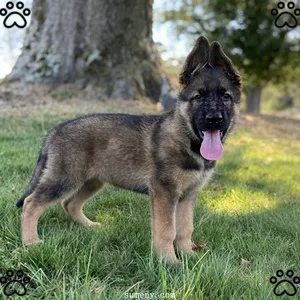
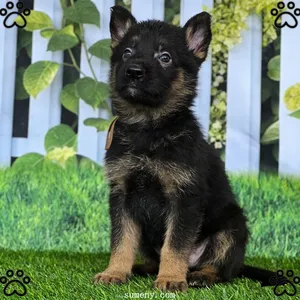
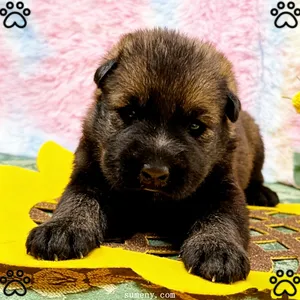
The intelligent and capable German Shepherd is one of the world's most renowned working breeds, esteemed for its loyalty and versatility. To make discussions about their traits more relatable, educators might use friendly example names like Tessi, Hogan, Flintstone, or Ozzy when illustrating typical German Shepherd behaviors.
German Shepherd Breed Overview
The German Shepherd is a premier working breed of dog, renowned worldwide for its intelligence, loyalty, and unparalleled versatility. Known for their courage and steady nerve, German Shepherd puppies require dedicated, structured training and early socialization to channel their powerful drives and keen intellect into becoming exceptional companions, protectors, and working partners.
While profoundly loyal and trainable, the German Shepherd's working heritage demands that they have a clear purpose and job. They are not casual pets and thrive with owners who can provide leadership, consistent rules, and both physical and mental challenges. Regular, vigorous exercise and advanced training are non-negotiable for their well-being and to prevent behavioral issues stemming from boredom or pent-up energy.
Prospective owners must be prepared for a dog with a strong protective instinct and high energy. They are typically reserved with strangers and have a natural guarding tendency, which makes proper, ongoing socialization from an early age absolutely critical. Their intelligence means they learn commands quickly but also requires that training be firm, fair, and consistent to establish a respectful bond.
This breed overview serves an educational purpose. It highlights the importance of understanding the needs of a serious working breed, such as their potential for specific health considerations (like hip and elbow dysplasia, degenerative myelopathy) and the substantial time investment required for training, exercise, and grooming. Consulting with a veterinarian experienced with large working breeds and seeking guidance from reputable German Shepherd clubs or trainers are essential steps for anyone considering this remarkable but demanding breed.
Read More ➤
German Shepherd Breed Characteristics & Profile
| Breed Classification | Herding Group (AKC), Working Dog Breed |
|---|---|
| Average Size Range | 50-90 lbs (males typically larger than females) |
| Typical Height | 22-26 inches at the shoulder |
| Life Expectancy | 9-13 years with proper care |
| Coat Type | Medium-length double coat with a dense undercoat and a straight, harsh outer coat; comes in both medium and long-haired varieties. |
| Common Colors | Most commonly black and tan, sable, or all black; also bi-color (black with red/tan markings). |
| Energy Level | Very High (requires extensive daily physical and mental exertion) |
| Exercise Needs | Very High; requires multiple hours of vigorous exercise, training, and job-like activities daily. |
| Grooming Requirements | Moderate to High; weekly brushing, daily during heavy shedding seasons (“blowing coat”). |
| Temperament Traits | Loyal, Confident, Courageous, Intelligent, Alert, Reserved with Strangers, Strong-Willed |
| Trainability | Exceptionally trainable and intelligent, but requires a knowledgeable, consistent handler. Excels in obedience, protection, and scent work. |
| Common Health Considerations | Hip Dysplasia, Elbow Dysplasia, Degenerative Myelopathy (DM), Gastric Dilatation-Volvulus (Bloat), Exocrine Pancreatic Insufficiency (EPI) |
| Good With | Families (with experienced owners), Older Children, Can be good with other pets if raised together; Natural guarding instincts require management. |
| Origin & History | Germany (late 19th century), Originally bred by Max von Stephanitz as the ultimate herding and all-purpose working farm/military dog. |
Adoption Pathways & Resource Guidance
If you're considering providing a home to a German Shepherd through adoption, it is crucial to first thoroughly research the breed's significant needs. The following outlines general search pathways and essential considerations for prospective adopters of this demanding working breed.
1 Breed-Specific Rescue Organizations
The most knowledgeable resource is often a dedicated German Shepherd rescue organization. These groups specialize in the breed, understand their complex temperament and health issues, and are committed to matching dogs with suitable, experienced homes. They conduct thorough screenings and can provide invaluable post-adoption support.
2 Animal Shelters & General Adoption Platforms
German Shepherds are, unfortunately, common in public shelters due to being surrendered by owners unprepared for their needs. Reputable online adoption databases and local shelters may have them available. It is imperative to work with the shelter staff to obtain a complete behavioral and medical history, and to spend ample time interacting with the dog to assess its temperament.
Critical Consideration for Working Breeds:
Adopting an adult German Shepherd from a shelter can be rewarding but carries unique challenges. Their background may be unknown, and they may require rehabilitation for behavioral issues. Be prepared to invest in professional training and a lengthy adjustment period. Honesty about your experience level and lifestyle is essential.
German Shepherd Adoption Readiness & Responsibility Checklist
Understanding German Shepherd Development: From Puppy to Partner
The journey of a German Shepherd puppy is a profound transformation of raw potential into disciplined capability, shaping not just a pet, but a true working partner. From their earliest weeks, these intense pups begin to exhibit the focus, drive, and intelligence that define the breed.
The Formative Weeks: Imprinting Focus and Resilience
During the critical first 8-12 weeks, German Shepherd puppies develop the neural and temperamental foundations for their future. Their natural curiosity is paired with a burgeoning protective instinct. This period is not merely about socialization, but about structured exposure—introducing them to a wide variety of stimuli (surfaces, sounds, gentle handling) in a calm, positive manner to build environmental confidence and prevent over-sensitivity or fear-based reactions later in life.
Heritage in Their Genes: The Legacy of a Working Dog
Every German Shepherd carries the potent legacy of a breed created for utility and performance. Bred for herding, guarding, and versatile service, they possess a unique combination of traits: high intelligence for problem-solving, physical stamina for endurance, a strong protective drive, and a deep-seated need to work alongside a handler. Understanding this heritage is key to appreciating why they require purposeful activity and clear leadership to thrive; they are fundamentally not idle companion dogs.
The Socialization Window: Building a Confident, Stable Temperament
Between 3 and 14 weeks, the German Shepherd puppy's "socialization window" is arguably more critical than for many breeds. Positive, controlled exposures to people, other animals, and environments must be managed carefully to cultivate a dog that is alert yet stable, confident yet controlled. Poor or insufficient socialization during this time can magnify their natural wariness into fearfulness or reactivity, which is difficult to correct in an adult.
Physical and Mental Development: Fueling a Working Machine
The German Shepherd grows rapidly, and proper nutrition is vital to support bone and joint health, given their predisposition to dysplasia. However, their mental development is equally demanding. From a young age, they crave challenges—basic obedience, puzzle toys, scent games. Channeling their mental energy constructively is essential to prevent them from developing destructive or obsessive behaviors out of boredom.
Becoming a Partner: The Path to a Lifelong Bond
When a German Shepherd puppy joins its handler, it begins a partnership based on mutual respect and trust. Successful integration requires the handler to establish themselves as a consistent, fair leader from day one. Training must be ongoing, combining obedience with meaningful “work”—whether that's advanced skills, dog sports, or a defined job at home. With firm, compassionate guidance and an outlet for their drives, German Shepherd puppies mature into the unparalleled loyal, courageous, and capable partners they are bred to be.
This developmental journey underscores that a German Shepherd is a project of commitment. When raised with an understanding of their working heart, provided with unwavering structure, and given a valued purpose, they fulfill their immense potential as one of the most respected and capable breeds in the world.
Read More ➤
German Shepherd Care & Training Essentials
Important Information
This website is intended to provide educational and informational resources related to the German Shepherd breed. We are not a rescue organization and do not directly facilitate pet adoptions, nor are any dogs physically located at our site. The dogs mentioned on this site (such as "Tessi") are presented solely as illustrative examples of breed appearance and characteristics and do not indicate their current availability for adoption. For all adoption matters, please be sure to verify and contact the reputable third‑party platforms or rescue agencies recommended in the "Adoption Pathways & Resource Guidance" section above.