Dachshund Companion
Understanding the Dachshund Personality
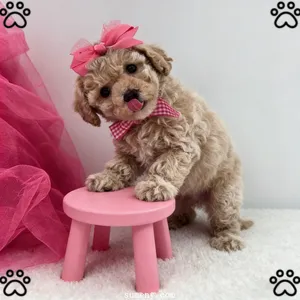
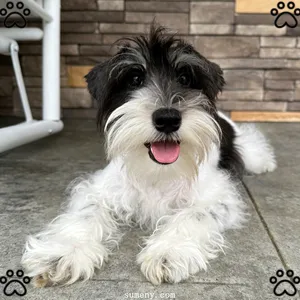
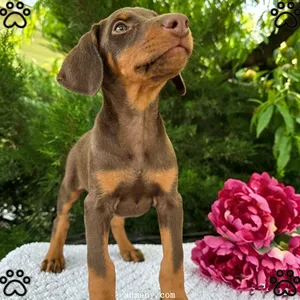
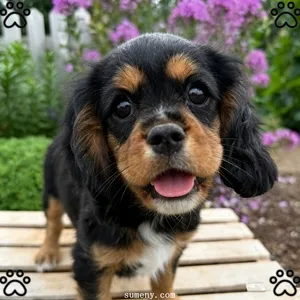
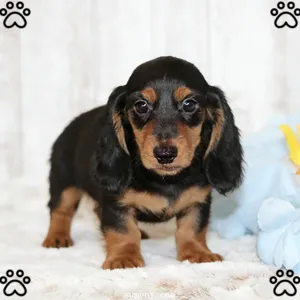
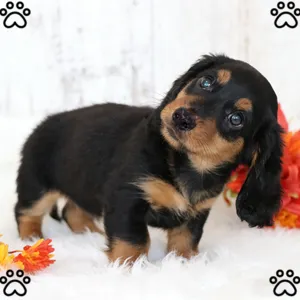
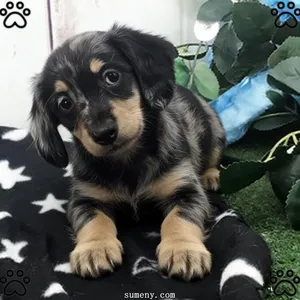
The spirited Dachshund is a breed full of character. To make discussions about their traits more relatable, educators might use friendly example names like Lightning, Chester, Myla, Sugar, or Honon when illustrating typical Dachshund behaviors.
Dachshund Breed Overview
The Dachshund, easily recognizable by its elongated body and short legs, is a small hound breed originally developed for hunting. Known for their bold and curious nature, Dachshund puppies require early and consistent socialization to channel their intelligence and independent streak into becoming well-adjusted companions.
While playful and affectionate, the Dachshund's unique physique demands specific care considerations. Their long spine makes them prone to intervertebral disc disease (IVDD), so it is crucial to prevent activities that involve jumping on/off furniture or navigating steep stairs. Providing ramps and maintaining a healthy weight are essential preventative measures throughout their life.
Prospective owners should be prepared for a dog with a strong personality. They can be stubborn during training, requiring patience and positive, reward-based methods. Understanding their high prey drive is also important for safe outdoor management, as they may be inclined to chase small animals.
This breed overview serves an educational purpose. It highlights the importance of researching breed-specific traits, such as their grooming needs (which vary by coat type: smooth, longhaired, or wirehaired) and exercise requirements (short, controlled walks rather than strenuous running). Consulting with veterinarians familiar with the breed and connecting with established Dachshund clubs are highly recommended steps for anyone considering this distinctive and spirited dog.
Read More ➤
Dachshund Breed Characteristics & Profile
| Breed Classification | Hound Group (AKC), Small Dog Breed |
|---|---|
| Average Size Range | Standard: 16-32 lbs | Miniature: 11 lbs and under |
| Typical Height | 8-9 inches (Standard) | 5-6 inches (Miniature) |
| Life Expectancy | 12-16 years with proper care |
| Coat Varieties | Smooth, Longhaired, Wirehaired (three coat types) |
| Common Colors | Red, Black & Tan, Chocolate, Cream, Dapple, Brindle |
| Energy Level | Moderate to High (varies by individual) |
| Exercise Needs | Daily moderate exercise, mental stimulation required |
| Grooming Requirements | Low (Smooth) to Moderate (Longhaired/Wirehaired) |
| Temperament Traits | Curious, Brave, Loyal, Can be Stubborn, Playful |
| Trainability | Intelligent but independent, requires patient training |
| Common Health Considerations | IVDD (back issues), Obesity, Dental Problems, Patellar Luxation |
| Good With | Families, Older Children, Can adapt to apartment living |
| Origin & History | Germany, 15th-17th century, originally bred for badger hunting |
Adoption Pathways & Resource Guidance
If you're considering adopting a Dachshund, we recommend starting your search through the following authoritative channels to find your perfect companion.
1 National Adoption Platforms
Consider visiting large adoption databases such as Petfinder. These platforms aggregate information on adoptable pets from rescue organizations across the country, making it easier to search for Dachshunds available in various regions.
2 Animal Shelters
Your local Animal Protection and Control Centers (Animal Shelters) frequently have purebred or mixed-breed Dachshunds waiting for a warm home. Visiting shelters in person allows you to meet multiple dogs and speak directly with staff about each animal's history and personality.
Shelter Visiting Advice:
Call ahead to check visiting hours and adoption procedures. Bring family members who will live with the dog, and consider visiting multiple times to see how the dog's personality develops in different interactions.
Adoption Preparation Checklist
Understanding Dachshund Development: From Puppy to Companion
The journey of a Dachshund puppy is a fascinating process of transformation, where instinct meets nurture to shape a loyal companion. From their earliest weeks, these distinctive dogs begin developing the traits that make them one of the world's most recognizable breeds.
The Formative Weeks: Building Foundations
During the critical first 8-12 weeks, Dachshund puppies undergo remarkable development. Their curious nature emerges as they explore their surroundings, while their characteristic confidence begins to take shape. This period is when proper socialization lays the groundwork for well-adjusted adult behavior, introducing them to various sounds, surfaces, and gentle human interactions that will serve them throughout their lives.
Heritage in Their Genes: The Hunter's Legacy
Every Dachshund carries the legacy of their German hunting ancestry. Their elongated bodies and determined spirit were originally bred for pursuing badgers and other burrow-dwelling animals. Today, this translates into a dog with remarkable problem-solving abilities, persistence, and courage disproportionate to their size. Understanding this heritage helps explain their sometimes-stubborn nature and their need for mental stimulation alongside physical exercise.
The Socialization Window: Shaping Temperament
Between 3 and 14 weeks, Dachshund puppies experience what behaviorists call the "socialization window" - a period when positive experiences can significantly influence their future temperament. Well-socialized Dachshunds learn to channel their natural wariness into appropriate alertness rather than excessive barking or shyness. They discover that new people, gentle handling, and varied environments are opportunities for positive reinforcement rather than threats.
Physical Development: Unique Considerations
The Dachshund's distinctive physique requires special attention during growth. Their long spinal columns need protection from activities that could cause injury, making supervised play and controlled exercise essential. Proper nutrition supports healthy bone development, while regular veterinary check-ups monitor for breed-specific concerns like intervertebral disc disease, which responsible breeders work to minimize through careful breeding practices.
Becoming Family: The Transition Process
When a Dachshund puppy transitions to their forever home, they bring not just their individual personality but centuries of bred characteristics. Successful integration involves understanding both their need for companionship and their occasional desire for independence. With patience, consistent positive reinforcement training, and an appreciation for their unique nature, Dachshund puppies grow into devoted companions whose loyalty is as deep as their historical roots.
This developmental journey reminds us that every Dachshund, regardless of coat color or pattern, carries within them the potential to become a wonderfully unique companion when raised with understanding, proper care, and respect for their breed characteristics.
Read More ➤
Dachshund Care & Training Essentials
Important Information
This website is intended to provide educational and informational resources related to the Dachshund breed. We are not a rescue organization and do not directly facilitate pet adoptions, nor are any dogs physically located at our site. The dogs mentioned on this site (such as "Lightning") are presented solely as illustrative examples of breed appearance and characteristics and do not indicate their current availability for adoption. For all adoption matters, please be sure to verify and contact the reputable third‑party platforms or rescue agencies recommended in the "Adoption Pathways & Resource Guidance" section above.