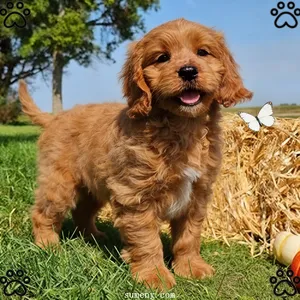
Cocker Spaniel Companion


Understanding the Cocker Spaniel Personality
The affectionate and merry Cocker Spaniel is a breed full of charm. To make discussions about their traits more relatable, educators might use friendly example names like Cruz or Kali when illustrating typical Cocker Spaniel behaviors.
Cocker Spaniel Breed Overview
The Cocker Spaniel, easily recognizable by its expressive eyes, long, silky ears, and merry wagging tail, is a medium-sized sporting breed originally developed for flushing game. Known for their affectionate and gentle nature, Cocker Spaniel puppies thrive on positive reinforcement and consistent, patient training to channel their intelligence and eager-to-please attitude into becoming wonderful family companions.
While playful and devoted, the Cocker Spaniel's beautiful coat requires dedicated grooming to stay healthy and free of mats. Their long, feathered ears also need regular cleaning and checking to prevent infections, a common concern in drop-eared breeds. Providing a balanced diet and regular exercise tailored to their energy level is key to their overall well-being.
Prospective owners should be prepared for a dog that forms very strong bonds with its family. They are highly social and can develop separation anxiety if left alone for long periods. Early socialization is important to ensure they grow into confident, well-rounded dogs, comfortable with various people, pets, and situations.
This breed overview serves an educational purpose. It highlights the importance of researching breed-specific traits, such as their need for regular mental and physical stimulation and their predisposition to certain health conditions like ear infections, hip dysplasia, or eye disorders. Consulting with veterinarians familiar with the breed and connecting with reputable Cocker Spaniel clubs or rescues are highly recommended steps for anyone considering welcoming this joyful and loving dog into their home.
Read More ➤
Cocker Spaniel Breed Characteristics & Profile
| Breed Classification | Sporting Group (AKC) |
|---|---|
| Average Size Range | 20-30 lbs (both males and females) |
| Typical Height | 14.5-15.5 inches at the shoulder |
| Life Expectancy | 12-15 years with proper care |
| Coat Type | Medium length, silky, flat or slightly wavy; feathering on ears, chest, abdomen, and legs |
| Common Colors | Variety of solid colors (black, liver, red, golden) and parti-colors (white with patches) |
| Energy Level | Moderate (merry and energetic but not hyperactive) |
| Exercise Needs | Moderate; daily walks and play sessions, enjoys activities like fetch |
| Grooming Requirements | High; daily brushing to prevent mats, regular ear cleaning, professional trimming every 6-8 weeks |
| Temperament Traits | Gentle, Affectionate, Merry, Sociable, Adaptable, Sensitive |
| Trainability | Highly trainable, eager to please, responds excellently to positive reinforcement |
| Common Health Considerations | Ear Infections, Hip Dysplasia, Progressive Retinal Atrophy (PRA), Familial Nephropathy |
| Good With | Families, Children, Other Pets, Excellent companion for active households |
| Origin & History | Developed in the United Kingdom, 19th century, bred as a flushing gun dog for woodcock |
Adoption Pathways & Resource Guidance
If you're considering welcoming a Cocker Spaniel into your family through adoption, the following provides a general guide to common search pathways.
1 National Databases & Breed-Specific Networks
Large, reputable online pet adoption databases can be a useful starting point, as they aggregate listings from numerous organizations. Additionally, dedicated Cocker Spaniel rescue networks exist, which specialize in the breed and have deep knowledge of their care needs and temperament.
2 Local Shelters & Humane Societies
Your local animal shelters and humane societies frequently welcome dogs of all breeds and mixes, including Cocker Spaniels. Visiting in person allows you to meet dogs directly and speak with staff about their history and personality.
Adoption Search Tip:
Be patient and check websites regularly, as desirable breeds like Cocker Spaniels may be adopted quickly. Calling ahead to confirm visiting hours and adoption procedures is always recommended.
Cocker Spaniel Adoption Preparation Checklist
Understanding Cocker Spaniel Development: From Puppy to Companion
The journey of a Cocker Spaniel puppy is a delightful process of transformation, where a merry disposition meets eager affection to shape a devoted family member. From their earliest weeks, these charming dogs begin developing the joyful traits that have made them enduringly popular companions.
The Formative Weeks: Building a Social Foundation
During the critical first 8-12 weeks, Cocker Spaniel puppies undergo significant social and emotional development. Their signature wagging tail and affectionate nature become apparent as they bond with caregivers. This period is crucial for establishing positive associations with gentle handling, household routines, and various mild stimuli, setting the stage for a confident and well-adjusted adult dog.
Heritage in Their Genes: The Gun Dog's Legacy
Every Cocker Spaniel carries the legacy of their origins as a flushing gun dog in the United Kingdom. Bred to work closely with hunters, they developed a soft mouth for retrieving, a keen sense of smell, and an energetic yet biddable nature. Today, this translates into a family companion with a love for outdoor activities, a strong desire to please, and a sensitive, responsive temperament that thrives on positive interaction.
The Socialization Window: Shaping a Confident Friend
Between 3 and 14 weeks, Cocker Spaniel puppies experience the critical "socialization window." Positive, gentle exposures during this time profoundly influence their future temperament. Well-socialized Cockers learn to approach new people, other friendly pets, and different environments with cheerful curiosity rather than apprehension, helping prevent the development of timidity.
Coat and Ear Care: Grooming from the Start
The Cocker Spaniel's beautiful coat and long, pendulous ears require special attention from puppyhood. Introducing gentle brushing and positive handling of ears and paws early on establishes a lifetime of cooperative grooming. Their luxurious coat will go through changes as they mature, and consistent care is key to preventing mats and tangles, as well as monitoring ear health to prevent infections common in drop-eared breeds.
Becoming Family: The Joyful Integration
When a Cocker Spaniel puppy joins their forever home, they bring an innate capacity for joy and loyalty. Successful integration involves providing consistent routines, ample affection, and appropriate outlets for their mental and physical energy. With patient, reward-based training that leverages their intelligence and eagerness to please, Cocker Spaniel puppies flourish into devoted, merry companions who deeply enrich family life.
This developmental journey reminds us that every Cocker Spaniel, with their soulful eyes and wagging tail, carries the potential to become a source of great joy and companionship when raised with understanding, gentle guidance, and an appreciation for their affectionate gun dog heritage.
Read More ➤
Cocker Spaniel Care & Training Essentials
Important Information
This website is intended to provide educational and informational resources related to the Cocker Spaniel breed. We are not a rescue organization and do not directly facilitate pet adoptions, nor are any dogs physically located at our site. The dogs mentioned on this site (such as "Cruz"or "Kali") are presented solely as illustrative examples of breed appearance and characteristics and do not indicate their current availability for adoption. For all adoption matters, please be sure to verify and contact the reputable third‑party platforms or rescue agencies recommended in the "Adoption Pathways & Resource Guidance" section above.