Your Cavapoo Companion Guide

Understanding the Cavapoo Personality
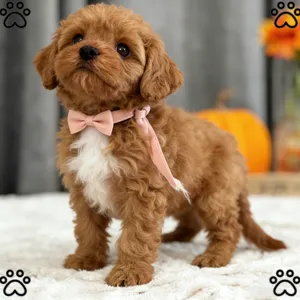
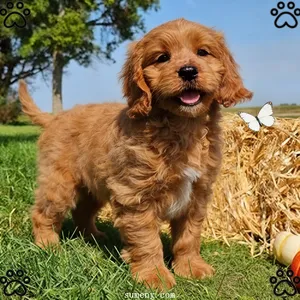
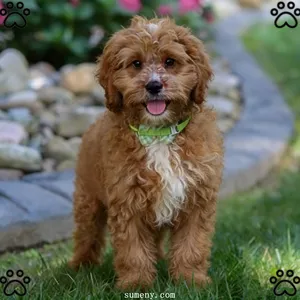
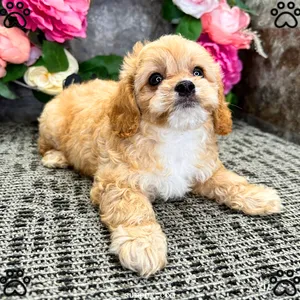
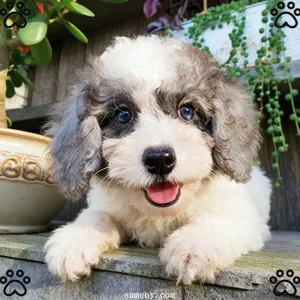
The affectionate and intelligent Cavapoo is a popular hybrid breed full of charm. To make discussions about their traits more relatable, educators might use friendly example names like Cocoa, Luna, Allan, Jameson, Gallop, Max, or Rio when illustrating typical Cavapoo behaviors.
Cavapoo Breed Overview
The Cavapoo, a popular hybrid of the Cavalier King Charles Spaniel and Poodle, is cherished for its affectionate nature and often hypoallergenic coat. Known for being friendly and adaptable, Cavapoo puppies thrive on positive reinforcement and consistent, gentle training to channel their intelligence and eager-to-please attitude into becoming wonderful family companions.
While playful and devoted, the Cavapoo's hybrid nature means their appearance and coat type can vary—some may inherit the Poodle's curly low-shedding coat, while others have the Cavalier's wavier, softer fur. Regular grooming is essential to prevent mats, regardless of coat type. Their social nature means they form strong bonds and do best in homes where they are not left alone for extended periods.
Prospective owners should be prepared for a dog that is highly in tune with human emotions. They are typically easy to train due to their intelligence and desire to please, responding excellently to positive, reward-based methods. Early socialization is important to ensure they grow into confident, well-rounded dogs comfortable in various situations.
This breed overview serves an educational purpose. It highlights the importance of understanding hybrid traits, such as their potential health considerations (which may include issues common to both parent breeds, like certain heart conditions or patellar luxation) and exercise needs (moderate daily activity combined with mental stimulation). Consulting with a veterinarian and connecting with reputable hybrid breed information resources are recommended steps for anyone considering this loving and sociable companion.
Read More ➤
Cavapoo Breed Characteristics & Profile
| Breed Classification | Hybrid / Designer Breed (Not recognized as a standalone breed by major kennel clubs) |
|---|---|
| Average Size Range | Varies widely; Typically 12-25 lbs, depending on Poodle parent size (Toy or Miniature) |
| Typical Height | 9-14 inches at the shoulder |
| Life Expectancy | 12-15 years with proper care |
| Coat Type | Variable; Often curly, wavy, or fluffy; Typically low- to non-shedding, considered hypoallergenic |
| Common Colors | Apricot, Black, White, Cream, Red, Brown, or combinations (parti-color, phantom, etc.) |
| Energy Level | Moderate (playful and cheerful but not hyperactive) |
| Exercise Needs | Moderate; daily walks and indoor play sufficient, enjoys interactive games |
| Grooming Requirements | High; regular brushing (every 1-2 days) to prevent mats, professional grooming every 4-6 weeks |
| Temperament Traits | Affectionate, Intelligent, Friendly, Social, Adaptable, People-Oriented |
| Trainability | Highly trainable, eager to please, responds excellently to positive reinforcement |
| Common Health Considerations | Patellar Luxation, Mitral Valve Disease (from Cavalier), Hip Dysplasia, Ear Infections, Eye Conditions |
| Good With | Families, Children, Other Pets, Seniors; Excellent for apartment and family living |
| Origin & History | United States/Australia (late 20th century), Developed as a "Designer Breed" for companionship and hypoallergenic traits |
Adoption Pathways & Resource Guidance
If you're considering welcoming a Cavapoo into your family through adoption, the following outlines common search pathways to begin your research.
1 National Databases & Hybrid/Breed-Specific Rescues
Your search can begin on large, reputable online pet adoption databases that aggregate listings from numerous shelters and rescues nationwide. Additionally, some rescue organizations specialize in specific hybrid breeds like Cavapoos, or in their parent breeds (Cavalier King Charles Spaniel and Poodle rescues), which may occasionally have mixed-breed dogs available for adoption.
2 Local Shelters & Humane Societies
Don't overlook your local animal shelters and humane societies. While a purebred Cavapoo might be less common, mixed-breed dogs with similar charming characteristics are frequently welcomed. Visiting in person allows you to meet dogs directly and speak with staff who can provide insights into each animal's personality and history.
Search Tip for Hybrid Breeds:
Be flexible with search terms. Dogs may be listed under descriptive labels like “Cavalier mix,” “Poodle mix,” “small fluffy mix,” or simply as a loving companion dog. Patience and regular checks are often key to finding a good match.
Cavapoo Adoption Preparation Checklist
Understanding Cavapoo Development: From Puppy to Companion
The journey of a Cavapoo puppy is a delightful blend of affection and intelligence, where the gentle nature of the Cavalier meets the cleverness of the Poodle to shape an ideal family companion. From their earliest weeks, these charming hybrids begin to show the traits that make them so sought after.
The Formative Weeks: Blending Two Personalities
During the critical first 8-12 weeks, Cavapoo puppies undergo significant social development. Their innate friendliness and desire to bond become apparent as they seek interaction. This period is crucial for positive, gentle socialization—exposing them to household noises, different people, and calm handling helps build the foundation for the confident, adaptable adult dog they are known to become.
Heritage in Their Genes: A Dual Legacy
Every Cavapoo carries a blend of two beloved lineages. From the Cavalier King Charles Spaniel, they inherit a sweet, gentle, and affectionate disposition—a true “comfort dog.” From the Poodle, they gain notable intelligence, trainability, and often a low-shedding, hypoallergenic coat. Understanding this dual heritage explains their exceptional suitability as indoor companions who thrive on mental engagement and close family bonds.
The Socialization Window: Cultivating Confidence
Between 3 and 14 weeks, Cavapoo puppies experience the critical "socialization window." Positive, varied experiences during this time are instrumental in preventing shyness or anxiety. Well-socialized Cavapoos learn to greet new people, other friendly pets, and novel environments with a wagging tail and curious interest, solidifying their reputation as wonderful family and therapy dogs.
Coat Development & Grooming: A Key Focus
The Cavapoo's coat can be a surprise—it may be curly like a Poodle’s, wavy, or somewhere in between. Introducing gentle brushing and positive grooming experiences from puppyhood is essential to prevent mats and establish a lifetime of cooperation. Their coat will change as they mature, and consistent care, alongside proper nutrition, is key to maintaining its health and the low-shedding quality many owners desire.
Becoming Family: The Joyful Integration
When a Cavapoo puppy joins their forever home, they bring a remarkable capacity for love and a keen ability to read family emotions. Successful integration involves providing clear routines, ample affectionate interaction, and positive, reward-based training that leverages their intelligence. With understanding and consistent care, Cavapoo puppies flourish into devoted companions who seem to intuitively know how to bring joy to their household.
This developmental journey reminds us that every Cavapoo, with their soft expressions and loving hearts, represents a purposeful blend of the best companion traits. When raised with patience, positive guidance, and an appreciation for their hybrid vigor, they fulfill their potential as one of the most cherished family friends.
Read More ➤
Cavapoo Care & Training Essentials
Important Information
This website is intended to provide educational and informational resources related to the Cavapoo breed. We are not a rescue organization and do not directly facilitate pet adoptions, nor are any dogs physically located at our site. The dogs mentioned on this site (such as "Cocoa") are presented solely as illustrative examples of breed appearance and characteristics and do not indicate their current availability for adoption. For all adoption matters, please be sure to verify and contact the reputable third‑party platforms or rescue agencies recommended in the "Adoption Pathways & Resource Guidance" section above.