Welcome to the World of Cavachons
Understanding the Cavachon Personality
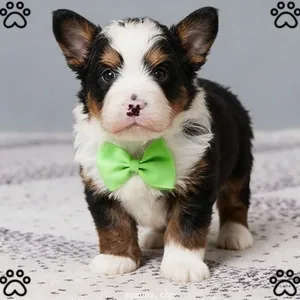
The friendly, affectionate, and gentle Cavachon is one of the world's most beloved designer companion breeds, esteemed for its sweet temperament, loving nature, and charming appearance. To make discussions about their traits more relatable, educators might use a friendly example name like Jase when illustrating typical Cavachon behaviors.
Cavachon Breed Overview
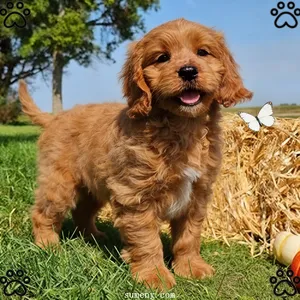
The Cavachon is a charming, affectionate, and gentle designer breed, renowned for its sweet temperament, loving nature, and adorable appearance. Known for their small, sturdy build, soft wavy coat, and expressive eyes, Cavachon puppies require consistent training, proper socialization, and attentive grooming to develop into the well-mannered, devoted companions they are cherished as.
Bred as a hybrid of the Cavalier King Charles Spaniel and Bichon Frise, the modern Cavachon excels in the role of a loving family companion and therapy dog. They are known for their friendly, people-oriented personality and thrive on human interaction, often forming strong bonds with all family members. Their gentle, adaptable nature makes them excellent pets for various households, including families with children and seniors, as long as their social and grooming needs are met.
Prospective owners must be fully aware that as a designer crossbreed, Cavachons can inherit health conditions from both parent breeds. This includes potential heart issues (like mitral valve disease from the Cavalier side), eye problems, dental issues, and luxating patellas. Responsible ownership includes health screening of parent dogs, maintaining regular veterinary check-ups, and being prepared for potential hereditary conditions. Their coat requires regular brushing to prevent mats and professional grooming every 4-6 weeks.
This breed overview serves an educational purpose. It highlights the importance of understanding the specific needs of this designer companion breed, including their potential health considerations (such as heart conditions, eye problems, and joint issues) and the commitment required for regular grooming, socialization, and providing adequate companionship. Consulting with veterinarians familiar with small companion breeds and connecting with reputable Cavachon breeders or rescue organizations are essential steps for anyone considering this delightful family companion.
Read More ➤
Cavachon Breed Characteristics & Profile
| Breed Classification | Designer Hybrid (Mixed Breed), Companion Breed Not recognized by AKC as a purebred |
|---|---|
| Average Size Range | 15-35 lbs - a small to medium-sized dog with variation based on parent size |
| Typical Height | 12-13 inches at the shoulder |
| Life Expectancy | 10-15 years with proper care |
| Coat Type | Soft, wavy to curly, low-shedding coat. Considered hypoallergenic by many, but individual variation exists. Texture can range from silky (Cavalier influence) to curly (Bichon influence). |
| Common Colors | White, cream, apricot, tan, black, or combinations including black & white, tricolor, or sable. Often has markings similar to Cavalier King Charles Spaniels. |
| Energy Level | Medium (playful and enjoys activity but also content with cuddle time; adaptable to family lifestyle) |
| Exercise Needs | Moderate; requires 30-45 minutes of daily activity through walks, play sessions, or backyard fun. Mental stimulation through training or puzzle toys is also beneficial. |
| Grooming Requirements | Moderate to High; requires brushing several times a week to prevent mats, professional grooming every 4-6 weeks, regular ear cleaning, and dental care. Low shedding but coat maintenance is essential. |
| Temperament Traits | Affectionate, Gentle, Friendly, Playful, Sociable, Intelligent, Adaptable, Good-Natured |
| Trainability | Generally eager to please and intelligent, inheriting trainability from both parent breeds. Responds well to positive reinforcement, consistency, and gentle guidance. Early socialization is important for confidence building. |
| Common Health Considerations | Mitral Valve Disease (heart condition common in Cavaliers), Syringomyelia (neurological condition), Luxating Patellas (slipping kneecaps), Eye Problems (cataracts, dry eye), Ear Infections, Dental Issues. Health screening of parent dogs is crucial. |
| Good With | Excellent with families, children, seniors, and other pets. Known for being social butterflies who love everyone. Generally friendly with strangers and good in multi-pet households. Thrives on companionship. |
| Origin & History | A designer hybrid breed developed in the United States in the late 1990s/early 2000s, from crossing the Cavalier King Charles Spaniel and Bichon Frise. Bred specifically as a companion dog to combine the affectionate nature of the Cavalier with the hypoallergenic, cheerful temperament of the Bichon. |
Adoption Pathways & Resource Guidance for Cavachons
If you're considering providing a home to a Cavachon like Jase through adoption, it is crucial to first thoroughly research this affectionate but potentially health-sensitive designer breed's specific needs. The following outlines general search pathways and essential considerations for prospective adopters of this gentle and family-oriented companion.
1 Designer Breed & Parent Breed Rescue Organizations
While dedicated Cavachon rescues exist, also consider rescues for the parent breeds—Cavalier King Charles Spaniel and Bichon Frise rescues. These organizations often have knowledge of common hybrid traits and potential health issues that can appear in Cavachons, such as heart conditions (mitral valve disease), neurological issues (syringomyelia), and joint problems. They understand the breed's need for companionship, regular grooming, and gentle handling. These groups conduct careful screenings to match dogs with homes prepared for their social needs and potential medical requirements.
2 Animal Shelters & General Adoption Platforms
Cavachons are sometimes surrendered to public shelters or general small dog rescues by owners unprepared for their grooming requirements, separation anxiety tendencies, or potential health issues. Reputable online adoption databases and local shelters may have them listed as "Cavalier mix" or "Bichon mix." When considering a Cavachon, it is imperative to work with shelter staff to obtain any available medical history, with particular attention to heart health, neurological symptoms, and joint condition screening. Spend time observing the dog's breathing patterns, movement, and social behavior.
Critical Consideration for a Designer Companion Breed:
Adopting a Cavachon, especially with an unknown health background, requires preparation for potential inherited conditions from both parent breeds. They may be prone to serious heart conditions, neurological disorders, and joint issues that can require specialized veterinary care. Their affectionate nature means they often struggle with separation anxiety and need constant companionship. Their coat, while low-shedding, requires regular professional grooming to prevent mats. Honest assessment of your ability to manage potential medical expenses and provide consistent companionship is essential.
Cavachon Adoption Readiness & Responsibility Checklist
The Cavachon Journey: Nurturing the Gentle Companion
Welcoming a Cavachon puppy like Jase into your life is to invite a perfect blend of affection, gentleness, and joyful companionship into your home. From their earliest moments, these charming pups display the sweet temperament, loving nature, and adaptable spirit that have made them cherished family members in households worldwide.
Early Foundations: Guiding a Social and Sensitive Puppy
During the critical first 8-12 weeks, Cavachon puppies thrive on gentle guidance and positive social experiences as they develop their distinct personality and physical traits. This period focuses on positive socialization, gentle grooming introduction, and establishing trust through consistent care—introducing them to brushing routines, teaching them to accept handling of paws, ears, and mouth, and building confidence through controlled new experiences. Establishing a loving, predictable environment with clear boundaries during these formative weeks is crucial for shaping a well-adjusted adult who is both a confident companion and a respectful family member.
Heritage in Their Heart: The Legacy of Two Beloved Breeds
Every Cavachon carries the beautiful legacy of two of the world's most affectionate companion breeds: the gentle Cavalier King Charles Spaniel and the cheerful Bichon Frise. Bred specifically to combine the best traits of both—the Cavalier's loving devotion and the Bichon's hypoallergenic coat and happy disposition—they represent modern companion dog breeding at its best. This heritage is evident in the modern Cavachon: their desire for human connection reflects their companion origins, their gentle nature makes them excellent therapy dogs, and their adaptable personality suits various lifestyles. Understanding this dual heritage explains their need for companionship, their sensitivity to their owner's emotions, and their role as "heart dogs" who bond deeply with their families.
The Socialization Window: Building a Confident and Well-Rounded Companion
The socialization window (approximately 3 to 16 weeks) is essential for the Cavachon. Given their sensitive nature and potential for separation anxiety, positive, gradual exposures to various people, animals, sounds, and environments are crucial. The goal is to reinforce their naturally friendly disposition while teaching them confidence and resilience, always mindful of their gentle temperament. A well-socialized Cavachon is a wonderful family member—adaptable, secure, and comfortable in various situations, from quiet home life to busy family gatherings.
Physical and Coat Development: Supporting Hybrid Vigor and Health
The Cavachon grows from a tiny pup into a sturdy small dog with the breed's signature soft, wavy coat. Proper nutrition is vital to support healthy growth while being mindful of potential inherited conditions. Their health development requires special attention to cardiac screening (given Cavalier lineage), joint health monitoring, and regular veterinary check-ups. Their mental development shines in their eagerness to please and problem-solving abilities. Incorporating consistent, positive reinforcement training from puppyhood is essential to channel their intelligence and prevent the development of anxiety-related behaviors.
Becoming a Family Heart: The Bond of Gentle Devotion
When a Cavachon puppy joins a family, it begins a bond characterized by mutual affection and gentle companionship. Successful integration requires an owner who provides consistent love, clear guidance, and plenty of interactive play. Training should be positive, reward-based, and focused on building confidence. With understanding of their need for both structure and affection, recognition of their sensitive nature, and appreciation for their unique, loving personality, Cavachon puppies mature into the devoted, gentle, and joyful companions they are destined to be.
Raising a Cavachon is a commitment to loving, attentive partnership. When raised with an understanding of their hybrid heritage, provided with the companionship they thrive on, and appreciated for their wonderfully sweet and steadfast spirit, they fulfill their magnificent potential as one of the most affectionate, adaptable, and devoted companion breeds in the world.
Read More ➤
Cavachon Care & Training Essentials
Important Information
This website is intended to provide educational and informational resources related to the Cavachon breed. We are not a rescue organization and do not directly facilitate pet adoptions, nor are any dogs physically located at our site. The dogs mentioned on this site (such as "Jase") are presented solely as illustrative examples of breed appearance and characteristics and do not indicate their current availability for adoption. For all adoption matters, please be sure to verify and contact the reputable third‑party platforms or rescue agencies recommended in the "Adoption Pathways & Resource Guidance" section above.