Welcome to the World of Bernedoodles
Understanding the Bernedoodle Personality
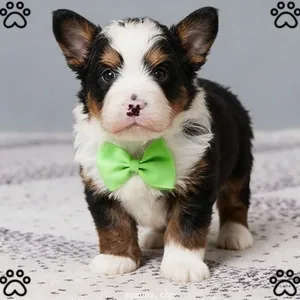
The gentle and intelligent Bernedoodle, a popular hybrid of the Bernese Mountain Dog and Poodle, is cherished for its affectionate nature and often low-shedding coat. To make discussions about their traits more relatable, educators might use a friendly example name like Zion when illustrating typical Bernedoodle behaviors.
Bernedoodle Breed Overview
The Bernedoodle, a beloved hybrid of the gentle Bernese Mountain Dog and the intelligent Poodle, is celebrated for combining the best of both worlds: a sweet, calm temperament with a clever mind and often a low-shedding, hypoallergenic coat. Known for their affectionate and loyal nature, Bernedoodle puppies thrive on positive reinforcement training and early socialization to shape their friendly disposition and intelligence into wonderful family companions and therapy dog candidates.
While deeply devoted and typically great with children, the Bernedoodle's size can vary significantly (from Miniature to Standard, depending on the Poodle parent), and they inherit a moderate to high energy level that requires consistent daily exercise. They are true family dogs that crave being included in activities and can struggle with long periods of solitude. Their Poodle heritage brings trainability and potential for a low-shedding coat, while the Bernese side contributes a laid-back, patient attitude.
Prospective owners should be prepared for a dog with considerable grooming needs. Their coat can be wavy or curly and requires regular brushing several times a week to prevent mats, along with professional grooming every 6 to 8 weeks. As a larger hybrid, they also need ample space to move comfortably and a commitment to ongoing joint health support through proper nutrition and controlled exercise during growth.
This breed overview serves an educational purpose. It highlights the importance of understanding hybrid traits, such as their variable appearance and coat type, substantial exercise requirements suited to their size, and potential health considerations inherited from both parent breeds (like hip dysplasia or certain genetic conditions). Consulting with a veterinarian familiar with large breed and hybrid dogs is a highly recommended step for anyone considering this wonderful, gentle-natured companion.
Read More ➤
Bernedoodle Breed Characteristics & Profile
| Breed Classification | Hybrid / Designer Breed (Not recognized as a standalone breed by major kennel clubs) |
|---|---|
| Average Size Range | Varies widely: Tiny: 10-24 lbs | Miniature: 25-49 lbs | Standard: 50-90 lbs (depends on Poodle parent size and generation). |
| Typical Height | Tiny/Mini: 12-20 inches | Standard: 21-29 inches at the shoulder |
| Life Expectancy | 12-15 years with proper care (often longer than the purebred Bernese Mountain Dog parent) |
| Coat Type | Variable; Can be straight, wavy, or curly; Often low- to non-shedding and considered hypoallergenic, especially in F1B or later generations. |
| Common Colors | Typically tri-color (black, white, and rust/brown) like the Bernese, but can also be bi-color, phantom, or sable. |
| Energy Level | Moderate (playful and fun-loving but not hyperactive; enjoys regular activity followed by calm downtime) |
| Exercise Needs | Moderate; requires daily walks and play sessions. They are energetic but not as high-drive as some working breeds, thriving on family activities. |
| Grooming Requirements | High; regular brushing (every 2-3 days) essential to prevent mats, professional grooming every 6-8 weeks recommended. |
| Temperament Traits | Gentle, Affectionate, Intelligent, Loyal, Good-Natured, Playful, Can be Goofy or Clownish |
| Trainability | Highly trainable, intelligent, and eager to please. They respond very well to positive reinforcement and enjoy learning, though may inherit a slight stubborn streak. |
| Common Health Considerations | Hip & Elbow Dysplasia, Progressive Retinal Atrophy (PRA), Von Willebrand's Disease, Bloat (in larger sizes), Allergies. Reputable breeders screen parent dogs. |
| Good With | Families, Children, Other Pets (with proper introduction); Excellent family companions known for their patience and gentle nature. |
| Origin & History | North America (early 21st century), Developed as a “designer breed” to combine the Bernese Mountain Dog's sweet temperament with the Poodle's intelligence and hypoallergenic coat. |
Adoption Pathways & Resource Guidance
If you're considering welcoming a Bernedoodle into your family through adoption, it's important to understand their needs as a large, gentle hybrid with significant grooming requirements. The following outlines search pathways and key considerations for prospective adopters of this popular designer breed.
1 Hybrid/Breed-Specific Rescue Organizations
Dedicated Bernedoodle rescue organizations or rescues specializing in “doodle” mixes are excellent starting points. These groups understand the unique blend of traits—the Bernese Mountain Dog's calm demeanor and the Poodle's intelligence and coat needs. They can provide valuable insight into an individual dog's temperament, energy level (which can vary), and grooming history.
2 Animal Shelters & General Adoption Platforms
Bernedoodles and similar large mixed-breed dogs can be found in local shelters or through online adoption databases. When inquiring about a specific dog, be sure to ask about its estimated size (as mixes can be unpredictable), its known history with grooming, and its behavior around children and other pets, given their typically gentle nature.
Consideration for Large Hybrid Breeds:
Large hybrid dogs like Bernedoodles may be surrendered due to their eventual size, exercise needs, or grooming costs exceeding expectations. A shelter dog may require a fresh start with grooming if its coat is matted. Be prepared for potential training reinforcement and ensure you have the space and budget to accommodate a potentially large, active dog.
Bernedoodle Adoption Preparation Checklist
Understanding Bernedoodle Development: From Puppy to Gentle Family Anchor
The journey of a Bernedoodle puppy is a heartwarming process of blending two distinct personalities into one steadfast and affectionate companion. From their earliest weeks, these sturdy pups begin to show the intelligent, watchful eyes of the Poodle and the sweet, calm demeanor of the Bernese Mountain Dog, regardless of their eventual size.
The Formative Weeks: Building a Confident and Sociable Foundation
During the critical first 8-12 weeks, Bernedoodle puppies develop the social and emotional bedrock for their future. Their intelligence and desire to connect with people become evident. This period is crucial for positive, gentle socialization—exposing them to a variety of friendly people, other calm animals, household routines, and different environments in a reassuring way. This helps build a confident, well-adjusted dog that is not overly shy or anxious, which is important for a large breed.
Heritage in Their Genes: The Best of Both Worlds
Every Bernedoodle carries the delightful and purposeful legacy of its parent breeds. From the Bernese Mountain Dog, they inherit a gentle, patient, loyal, and family-oriented soul—a natural “nanny” dog with a calm presence. From the Poodle, they gain notable intelligence, trainability, and the potential for a low-shedding, hypoallergenic coat. This hybrid vigor aims to combine the Bernese's wonderful temperament with the Poodle's health and practicality. They are designed to be loving companions first and foremost.
The Socialization Window: Cultivating a Steady and Friendly Temperament
Between 3 and 14 weeks, the Bernedoodle puppy's "socialization window" is key to ensuring their natural gentleness extends confidently to the wider world. Positive, structured experiences with children, strangers, car rides, and vet visits help ensure their large size is matched by a steady, predictable personality. A well-socialized Bernedoodle grows into a dog that is calm in new situations and trustworthy around family and friends.
Growth & Coat Care: Managing Size and Maintenance
The Bernedoodle grows from a pudgy puppy into a substantial dog, requiring good nutrition to support healthy joint development. Their coat can be a surprise—wavy, curly, or somewhere in between. Introducing gentle brushing and handling from puppyhood is essential, not only to acclimate them to lifelong grooming but also to monitor their skin and coat health as they grow. Regular grooming becomes an important part of caring for their sizable, often fluffy, physique.
Becoming Family: Integrating a Loving Companion
When a Bernedoodle puppy joins its forever home, it brings a powerful capacity for love and a desire to be part of the pack. Successful integration involves providing consistent routines, fair and positive training that leverages their intelligence, and moderate daily exercise to keep them fit and happy. They aim to please and respond beautifully to encouragement. With kind leadership and plenty of affection, Bernedoodle puppies mature into devoted, gentle-natured family members who often seem to intuitively understand and comfort their people.
This developmental journey reminds us that a Bernedoodle is bred for companionship and heart. When raised with patient guidance, proper care for their growing body and coat, and inclusion as a beloved family member, they fulfill their purpose as one of the most affectionate and steady hybrid companions a family can hope for.
Read More ➤
Bernedoodle Care & Training Essentials
Important Information
This website is intended to provide educational and informational resources related to the Bernedoodle breed. We are not a rescue organization and do not directly facilitate pet adoptions, nor are any dogs physically located at our site. The dogs mentioned on this site (such as "Zion") are presented solely as illustrative examples of breed appearance and characteristics and do not indicate their current availability for adoption. For all adoption matters, please be sure to verify and contact the reputable third‑party platforms or rescue agencies recommended in the "Adoption Pathways & Resource Guidance" section above.