Dog Grooming 101: Essential Tools and Techniques Every Owner Should Know
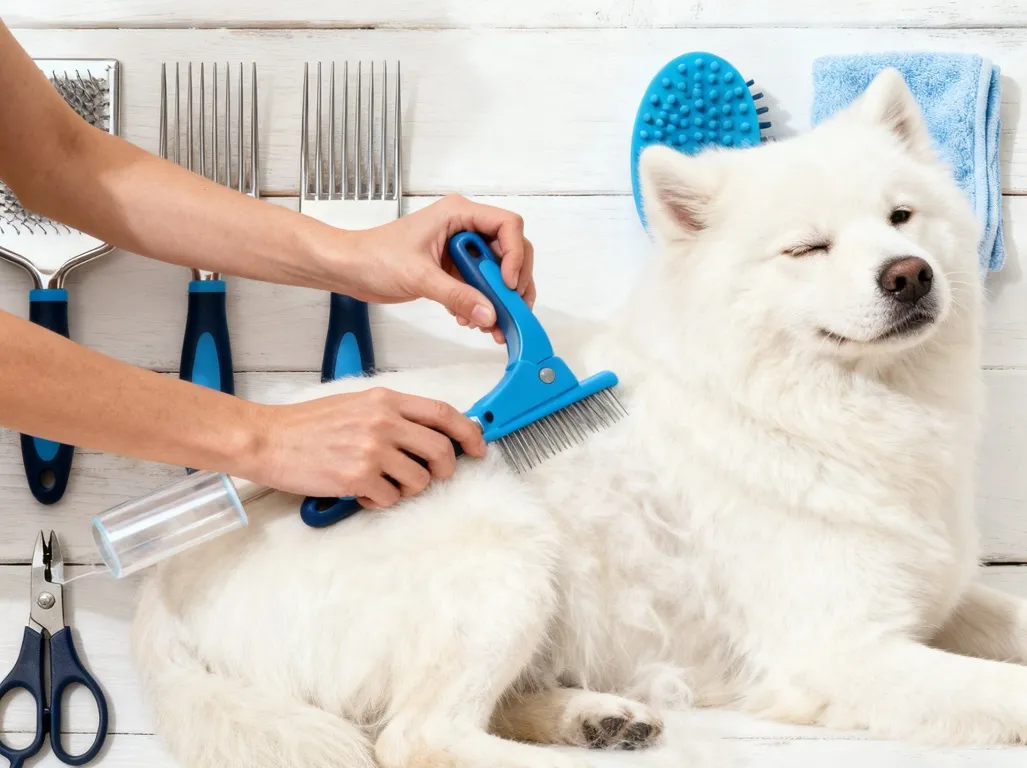
Proper grooming is essential for your dog's health, comfort, and overall wellbeing
The Complete Home Grooming Guide for Dog Owners
Regular grooming is essential for your dog's health, comfort, and appearance. This comprehensive guide covers all the tools, techniques, and tips you need to become proficient at home grooming, saving you money while strengthening your bond with your pet.
"Proper grooming isn't just about looks—it's preventive healthcare. Regular grooming sessions allow you to monitor your dog's skin, coat, ears, nails, and overall health."
— Rebecca Martinez, Professional Groomer with 20+ years experience
Essential Grooming Tools: Building Your Home Kit
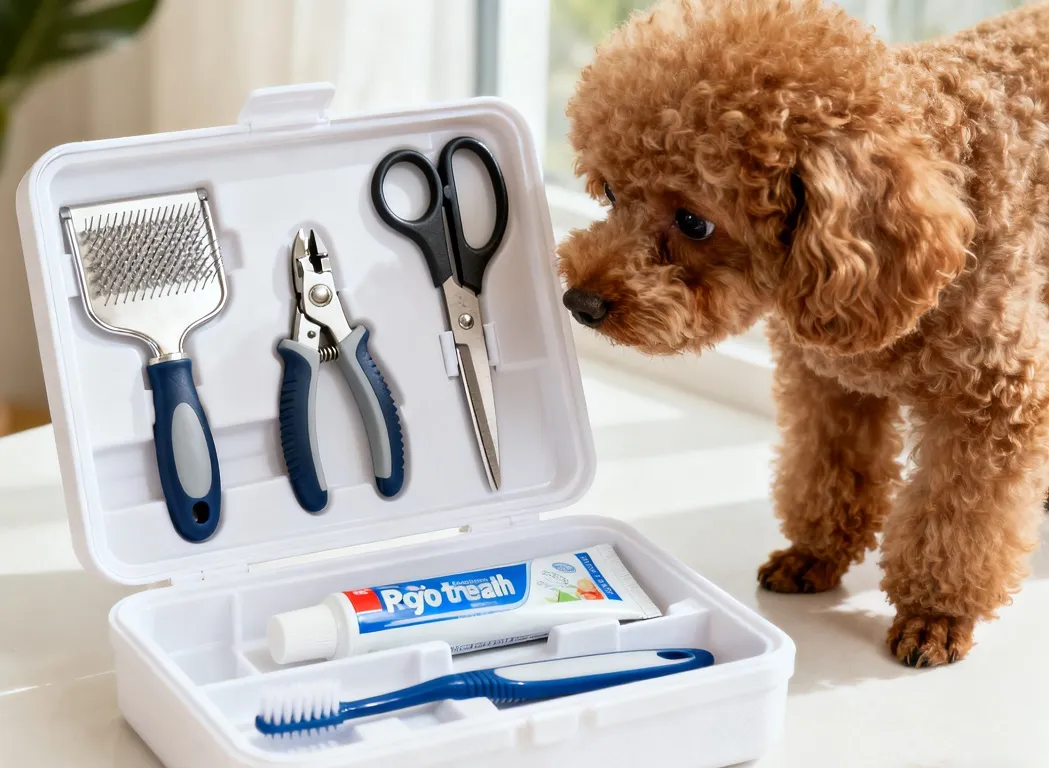
Essential grooming tools every dog owner should have in their home kit
| Tool Category | Essential Tools | Best For | Approximate Cost |
|---|---|---|---|
| Brushing/Combing | Slicker brush, undercoat rake, metal comb, pin brush | Removing tangles, distributing oils, reducing shedding | $20-$80 total |
| Bathing/Drying | Dog shampoo, conditioner, rubber bath mat, absorbent towels | Cleaning, moisturizing coat, preventing slip accidents | $30-$60 |
| Nail Care | Guillotine clippers, grinder, styptic powder | Maintaining proper nail length, quick avoidance | $20-$50 |
| Ear/Eye Care | Ear cleaner solution, cotton balls, eye wipes | Preventing infections, removing discharge | $15-$30 |
| Dental Care | Dog toothpaste, finger brush, dental chews | Preventing tartar, gum disease, bad breath | $15-$40 |
| Hair Cutting* | Electric clippers, grooming scissors, thinning shears | Breed-specific trims, sanitary areas, face trimming | $80-$200+ |
*Note: Hair cutting tools are optional unless you have a breed requiring regular clipping
Coat Type Guide: Tailoring Your Approach
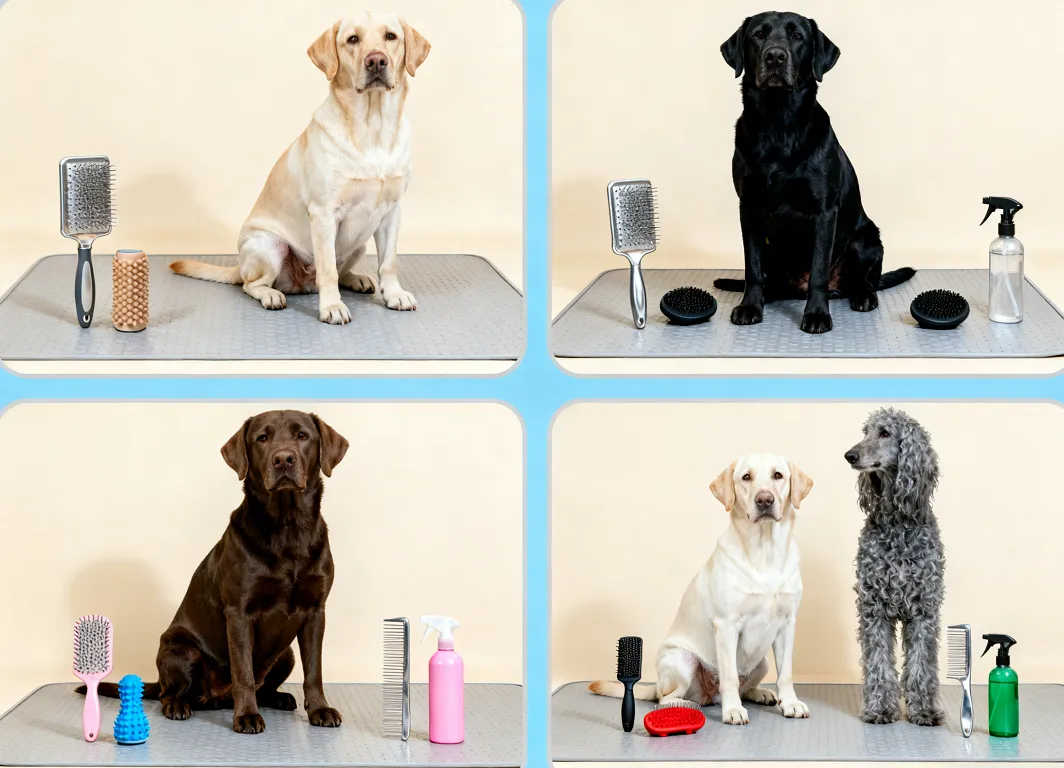
Different coat types require specific grooming tools and techniques
Understanding Your Dog's Coat Needs:
Smooth/Short Coats (Labs, Beagles, Boxers):
- Tools: Rubber curry brush, bristle brush
- Frequency: Weekly brushing
- Challenge: Shedding management
- Bathing: Every 4-8 weeks
- Special Care: Use deshedding tools during seasonal changes
Double Coats (Huskies, Shepherds, Collies):
- Tools: Undercoat rake, deshedding tool, slicker brush
- Frequency: 2-3 times weekly (daily during shedding seasons)
- Challenge: Matting prevention, massive shedding
- Bathing: Every 6-8 weeks (avoid over-bathing)
- Special Care: Never shave - it ruins insulation
Long/Flowing Coats (Yorkshire Terriers, Maltese, Afghan Hounds):
- Tools: Metal comb, pin brush, detangling spray
- Frequency: Daily brushing essential
- Challenge: Preventing painful mats and tangles
- Bathing: Every 2-4 weeks with conditioner
- Special Care: Regular professional trims often needed
Wire/Curly Coats (Terriers, Poodles, Bichons):
- Tools: Slicker brush, mat splitter, stripping knife (terriers)
- Frequency: Every other day brushing
- Challenge: Matting close to skin
- Bathing: Every 3-6 weeks
- Special Care: Professional grooming recommended every 4-8 weeks
Step-by-Step Bathing Guide: Doing It Right
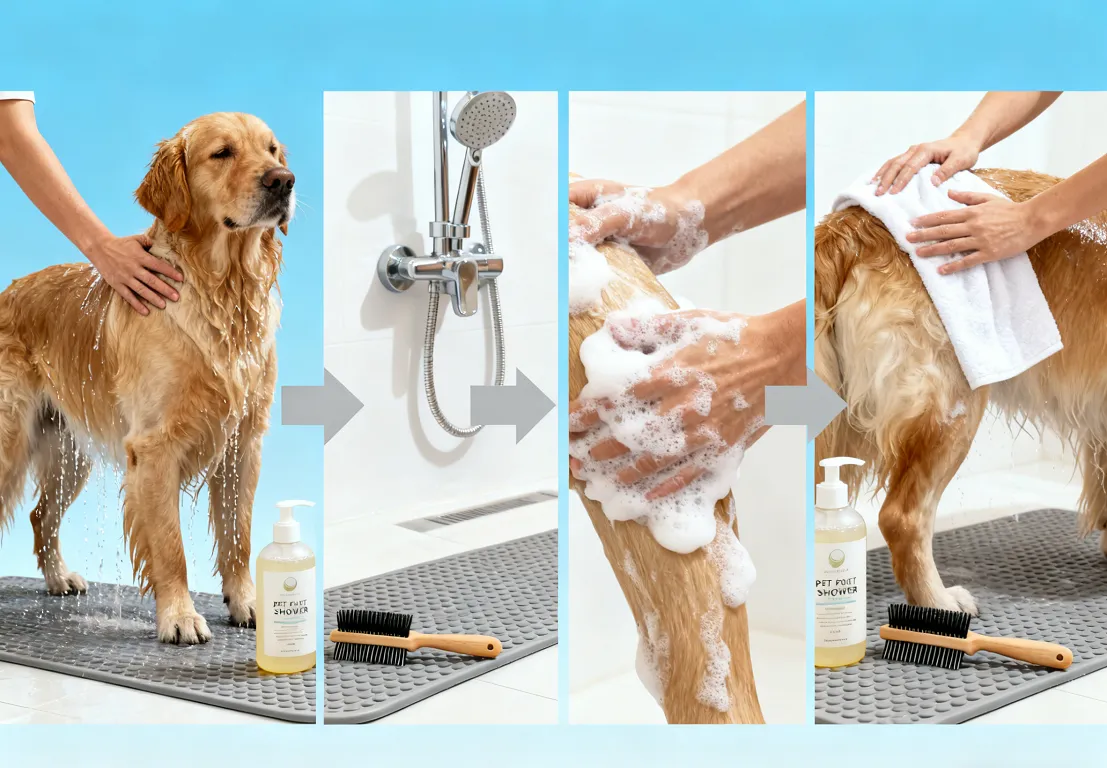
Proper bathing technique ensures thorough cleaning without stressing your dog
| Step | Procedure | Tips & Warnings | Common Mistakes |
|---|---|---|---|
| 1. Preparation | Brush thoroughly, gather supplies, prepare bathing area | Brush out ALL mats first - water makes them worse | Bathing a matted dog (causes severe pain) |
| 2. Water Setup | Lukewarm water, test temperature, use non-slip mat | Water should be comfortably warm to your wrist | Water too hot/cold, slippery surfaces |
| 3. Wetting | Wet thoroughly from neck down, avoid ears/eyes | Use handheld sprayer or cup, speak calmly | Getting water in ears (leads to infections) |
| 4. Shampooing | Dilute shampoo, lather in sections, massage gently | Always dilute shampoo 3:1 or 4:1 (water:shampoo) | Using human shampoo (damages dog's skin pH) |
| 5. Rinsing | Rinse thoroughly until water runs clear | Rinse 2-3 times longer than you think necessary | Leaving shampoo residue (causes itching) |
| 6. Conditioning* | Apply conditioner, leave 3-5 minutes, rinse completely | *Essential for long-haired and dry-coated dogs | Skipping conditioner for dogs that need it |
| 7. Drying | Towel dry, then low-heat blow dryer if tolerated | Never use high heat, keep dryer moving constantly | Letting dog air dry (can cause hot spots) |
Nail Trimming: Overcoming the Fear (Yours and Theirs)
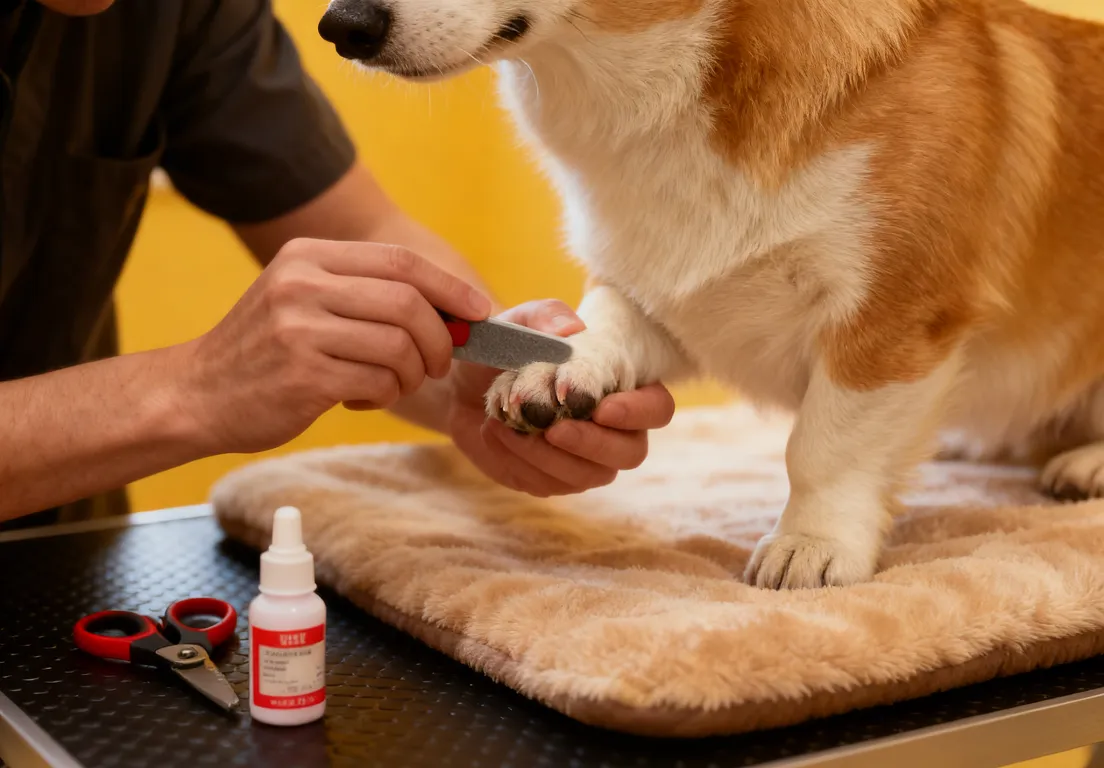
Safe nail trimming techniques to avoid cutting the quick
Safe Nail Trimming Techniques:
Identifying the Quick:
- Light-colored nails: Pink area visible - cut 2mm before it
- Dark-colored nails: Look for chalky center - stop when you see it
- General rule: Cut at 45-degree angle, small amounts frequently
- When in doubt: Cut less more often rather than risk the quick
If You Cut the Quick:
- Remain calm - your dog will react to your anxiety
- Apply styptic powder, cornstarch, or flour immediately
- Apply pressure for 1-2 minutes
- Praise and treat once bleeding stops
- Wait 5-7 days before attempting again
Alternative Methods:
- Grinders: Less risk of quick, but noisy - requires acclimation
- Scissors-type Clippers: Good for small dogs, precise cutting
- Guillotine Clippers: Popular choice, requires proper positioning
- Professional Help: Always an option if too stressful
Training for Nail Tolerance:
- Touch paws daily, give treats
- Introduce clippers without cutting
- Clip one nail per session initially
- Always end on a positive note
- Consider peanut butter lick mat distraction
Ear and Eye Care: Preventing Common Problems
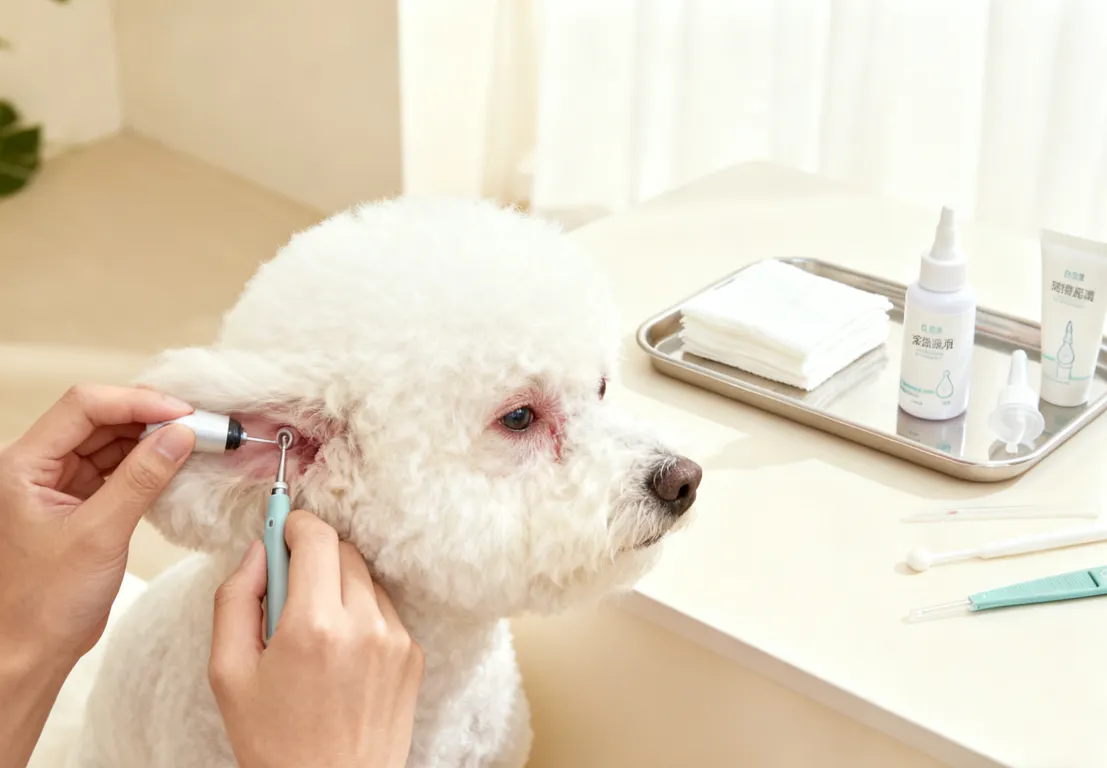
Regular ear and eye care prevents infections and maintains health
| Area | Normal Appearance | Warning Signs | Cleaning Procedure | Frequency |
|---|---|---|---|---|
| Ears | Light pink, minimal wax, no odor | Redness, swelling, odor, discharge, head shaking | Apply cleaner, massage base, wipe with cotton ball (never Q-tips) | Weekly for floppy ears, bi-weekly for erect ears |
| Eyes | Clear, bright, minimal discharge | Redness, cloudiness, excessive discharge, squinting | Wipe from inner corner outward with damp cloth or eye wipes | Daily for breeds with eye issues, weekly for others |
| Facial Folds (Bulldogs, Pugs, etc.) | Clean, dry, no redness | Moisture, redness, odor, rubbing | Gently clean folds with damp cloth, dry thoroughly | Daily essential |
Creating a Positive Grooming Experience
Environment Setup:
- Choose non-slip surface (rubber mat, towel on counter)
- Have all tools within reach before starting
- Use grooming table with arm and loop for safety
- Good lighting is essential for precision work
- Calm, quiet environment without distractions
Behavior Tips:
- Start young - puppies adapt more easily
- Keep sessions short initially (5-10 minutes)
- Use high-value treats as positive reinforcement
- Stop before your dog shows stress
- Consistent routine builds confidence
When to Seek Professional Help:
- Severe matting that can't be brushed out
- Aggressive behavior during grooming
- Medical issues (skin infections, wounds)
- Complex breed-specific haircuts
- Anal gland expression (if uncomfortable doing it)
Seasonal Grooming Considerations
Summer (Hot Weather):
- Never shave double-coated breeds
- Consider shorter trim for long-haired dogs
- Check for fleas/ticks after outdoor time
- Paw pad inspection for burns from hot pavement
- More frequent brushing to remove loose undercoat
Winter (Cold Weather):
- Limit baths to prevent dry skin
- Use moisturizing shampoo/conditioner
- Paw care: trim hair between pads, check for ice balls
- Consider dog sweater for short-haired breeds
- Wipe paws after walks to remove salt/de-icers
Grooming Frequency Guidelines by Breed Type
| Maintenance Level | Breeds Examples | Brushing | Bathing | Professional Grooming |
|---|---|---|---|---|
| Low Maintenance | Labrador, Beagle, Boxer, Dachshund | Weekly | Every 6-8 weeks | Rarely needed (nails/anal glands only) |
| Moderate Maintenance | Golden Retriever, German Shepherd, Cocker Spaniel | 2-3 times weekly | Every 4-6 weeks | Every 8-12 weeks for trimming |
| High Maintenance | Poodle, Shih Tzu, Yorkshire Terrier, Maltese | Daily | Every 2-4 weeks | Every 4-6 weeks essential |
| Specialty Breeds | Afghan Hound, Komondor, Old English Sheepdog | Daily intensive | Every 2-3 weeks | Every 4-6 weeks (often coat-specific specialists) |
Common Grooming Problems and Solutions
Matting Prevention and Removal:
- Prevention: Daily brushing, regular professional grooming
- Small mats: Use detangling spray, work out with fingers first
- Severe mats: May require professional shaving - DO NOT cut with scissors
- Problem areas: Behind ears, armpits, tail base, groin area
Shedding Management:
- Regular brushing with appropriate tools
- High-quality diet improves coat health
- Omega-3 supplements can reduce excessive shedding
- Bathing with deshedding shampoo during peak seasons
- Accept that some breeds shed - it's normal
Essential Safety Guidelines for Home Grooming
Home Grooming Safety Checklist:
- ✓ Never leave your dog unattended on a grooming table or elevated surface
- ✓ Use blunt-tipped scissors around face and sensitive areas
- ✓ Check clipper temperature frequently - they can burn skin
- ✓ Keep styptic powder readily available for nail emergencies
- ✓ Never force a scared dog - seek professional help if needed
- ✓ Be extra cautious around eyes, ears, paw pads, and sanitary areas
- ✓ Watch for signs of stress (panting, trembling, whale eye) and stop immediately
Conclusion: The Benefits of Regular Home Grooming
Mastering basic grooming skills provides numerous benefits beyond appearance. Regular grooming sessions allow you to monitor your dog's health closely, catching potential issues early. The bonding time strengthens your relationship, and the cost savings can be substantial over your dog's lifetime.
Start with simple tasks like brushing and nail trimming, gradually building both your skills and your dog's tolerance. Remember that perfection isn't the goal—consistent care is. Whether you handle all grooming at home or combine home maintenance with professional visits, your attention to your dog's grooming needs contributes significantly to their overall wellbeing.
"A well-groomed dog is a healthy dog. The time you invest in learning proper grooming techniques pays dividends in your dog's comfort, health, and happiness."
About the Author
Lisa Thompson is a certified master groomer with 15 years of experience and owner of "Paws & Claws Professional Grooming." She specializes in educating pet owners on safe home grooming practices and has trained hundreds of dogs and their humans through her popular grooming workshops.