Common Dog Allergies
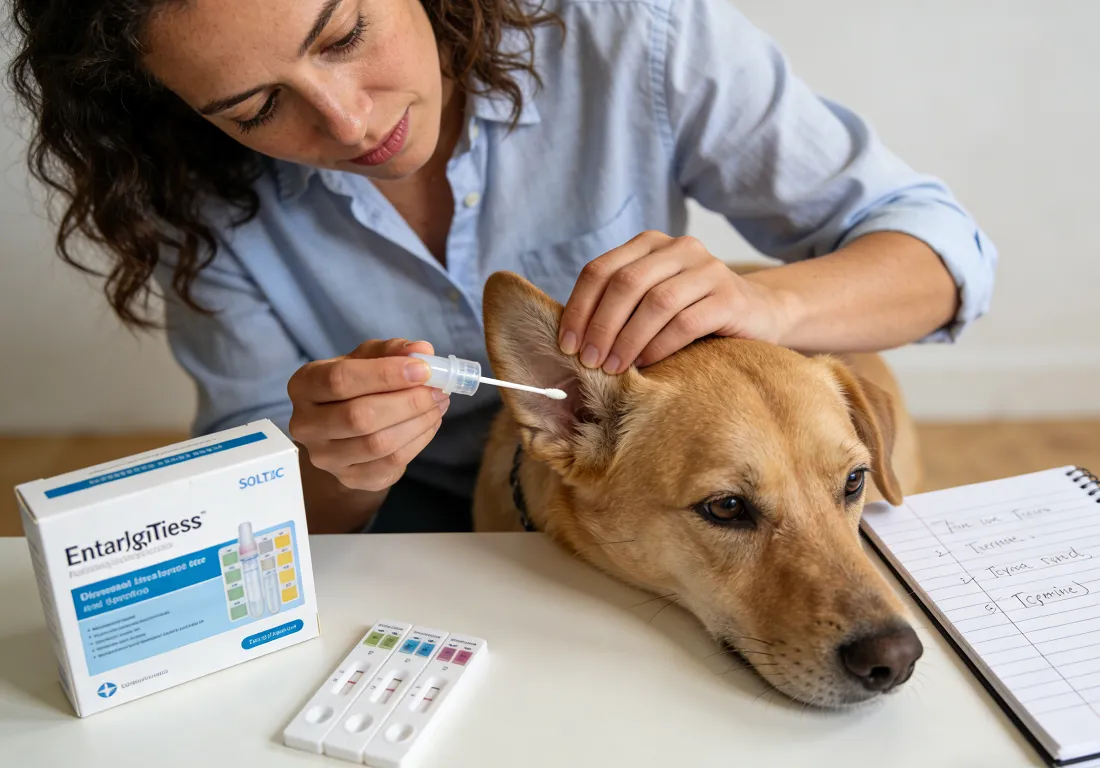
Recognizing allergy symptoms early leads to faster diagnosis and more effective management
The Complete Guide to Identifying and Managing Dog Allergies
Allergies are one of the most common health issues affecting dogs today, causing discomfort and reducing quality of life. This comprehensive guide covers the three main types of canine allergies—environmental, food, and flea—including symptoms, diagnosis methods, treatment options, and management strategies to help your allergic dog live more comfortably.
"Allergies in dogs are rarely cured, but they can be effectively managed. The key is accurate diagnosis followed by a consistent, multi-modal approach tailored to each individual dog's needs."
— Dr. Sarah Mitchell, Veterinary Dermatologist
The Three Main Types of Dog Allergies
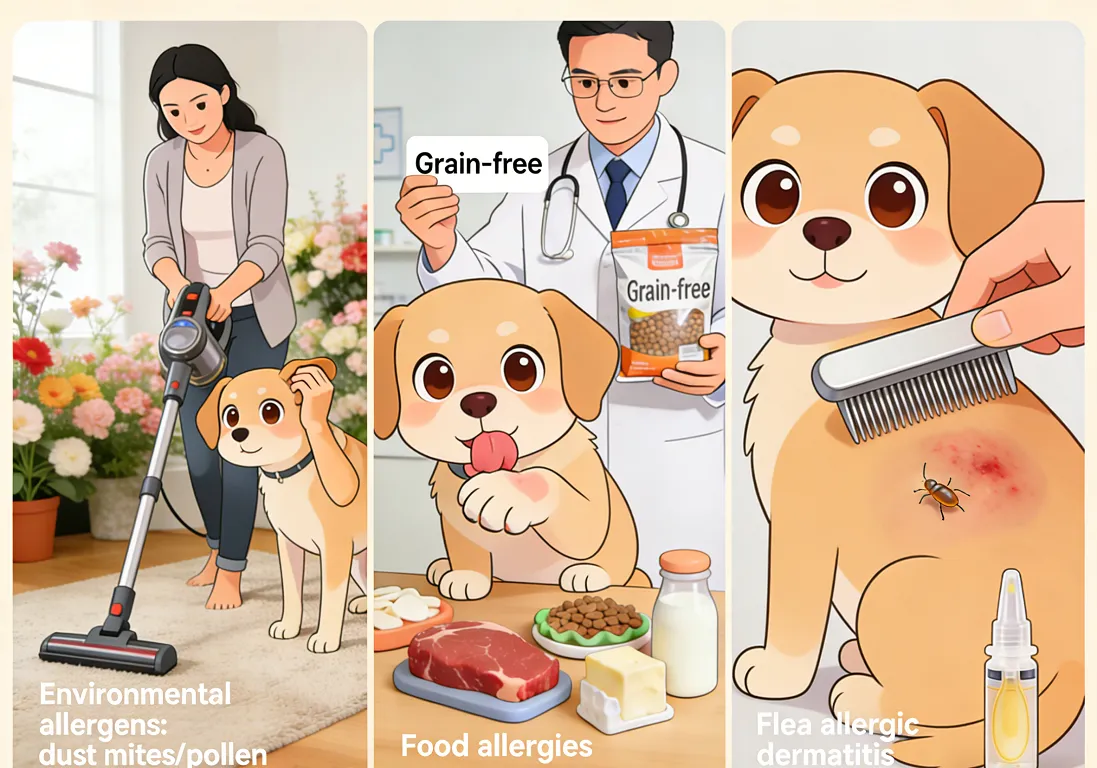
Each allergy type requires specific diagnostic approaches and management strategies
| Allergy Type | Common Triggers | Primary Symptoms | Seasonal Patterns | Diagnosis Methods |
|---|---|---|---|---|
| Environmental Allergies (Atopic Dermatitis) |
Pollen, mold, dust mites, grass, weeds | Itchy skin, ear infections, paw licking, face rubbing | Often seasonal but can be year-round | Intradermal skin testing, serum allergy testing, elimination trials |
| Food Allergies | Beef, chicken, dairy, wheat, soy, eggs | Gastrointestinal issues, skin inflammation, chronic ear infections | Year-round (not seasonal) | Elimination diet trial (8-12 weeks minimum) |
| Flea Allergy Dermatitis (FAD) |
Flea saliva (just 1-2 bites can trigger) | Intense itching at tail base, hindquarters, hot spots | Worse in warm months but can be year-round | Response to flea control, visual flea evidence |
| Contact Allergies | Fabrics, cleaning products, plants, plastics | Localized rash, redness where contact occurs | Year-round, depends on exposure | Patch testing, elimination of suspected items |
Common Symptoms and What They Indicate
Skin-Related Symptoms:
Itching & Scratching Patterns:
- Face rubbing: Often food or environmental allergies
- Paw licking/chewing: Common with environmental allergies
- Tail base/back itching: Strong indicator of flea allergies
- Armpit/groin itching: Often environmental or contact allergies
- Generalized itching: Can be any allergy type, often multiple
Skin Appearance Changes:
- Redness/inflammation: Acute allergic reaction
- Hot spots: Bacterial infection from intense scratching
- Hives: Usually acute allergic reaction to food or insect bites
- Dry/flaky skin: Chronic allergy, possible secondary issues
- Darkened/thickened skin: Chronic inflammation (lichenification)
Non-Skin Symptoms:
Ear Issues:
- Recurrent ear infections (often yeast or bacterial)
- Head shaking or ear scratching
- Ear odor or discharge
- Redness inside ear flaps
- Ear hematomas from violent head shaking
Gastrointestinal Symptoms:
- Chronic diarrhea or soft stools
- Frequent gas or bloating
- Vomiting (especially after meals)
- Increased bowel movements
- Poor appetite or food avoidance
Diagnostic Process: Step-by-Step Approach
| Diagnostic Step | What It Involves | Timeline | Accuracy Rate | Cost Range |
|---|---|---|---|---|
| Initial Veterinary Exam | Physical exam, history review, symptom assessment | 1 visit | Identifies allergy likelihood, not specific triggers | $50-$150 |
| Flea Control Trial | Aggressive flea prevention for 8-12 weeks | 2-3 months | High for confirming/excluding FAD | $50-$200 (preventative costs) |
| Food Elimination Diet | Novel protein/carbohydrate diet for 8-12 weeks | 2-3 months minimum | Gold standard for food allergy diagnosis | $200-$500 (food costs) |
| Serum Allergy Testing | Blood test measuring IgE antibodies | 1-2 weeks for results | 60-75% accurate for environmental allergies | $300-$600 |
| Intradermal Skin Testing | Small allergen injections under sedation | Same day results | 75-85% accurate (gold standard for environmental) | $800-$1,500 |
The Food Elimination Diet: Complete Guide
Phase 1: Elimination (Weeks 1-8)
- Choose novel protein: Venison, rabbit, duck, kangaroo
- Choose novel carbohydrate: Sweet potato, potato, pea
- Commercial or homemade: Prescription diets most reliable
- Strict compliance: No other foods, treats, flavored medications
- Monitor symptoms: Keep detailed daily journal
Phase 2: Challenge (Weeks 9-12)
- If improved: Begin challenge phase
- Add one ingredient: Original protein source first
- Monitor 1-2 weeks: Watch for symptom return
- Continue testing: Test common allergens one by one
- Finalize diet: Create long-term safe food list
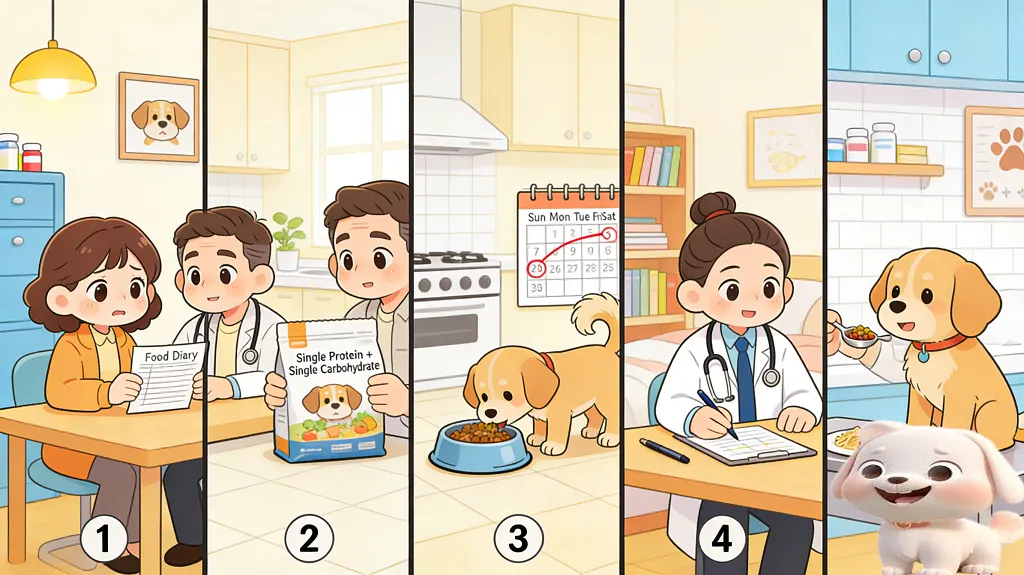
Proper implementation of elimination diets requires strict adherence and patience
Common Pitfalls to Avoid:
- Inadequate duration: Minimum 8 weeks, often 12 needed
- Hidden ingredients: Flavored medications, toothpaste
- Cross-contamination: Shared bowls, preparation surfaces
- Non-compliance: Family members giving treats
- Misinterpretation: Seasonal allergies improving coincidentally
- Common allergens to test:
- Beef, chicken, dairy, eggs
- Wheat, soy, corn
- Lamb, pork, fish
- Rice, barley, oats
- Specific vegetables if suspicious
Treatment Options for Different Allergy Types
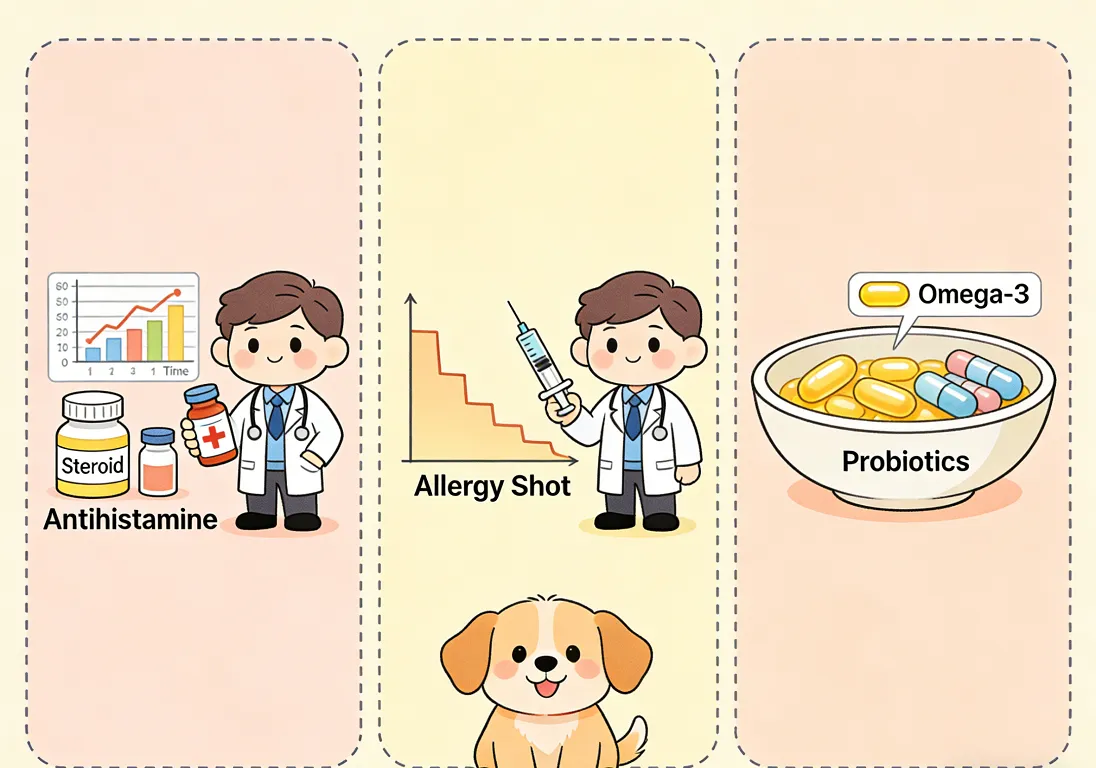
Combining multiple treatment approaches often provides the best results for allergic dogs
| Treatment Type | How It Works | Best For | Pros | Cons |
|---|---|---|---|---|
| Allergy Shots (Immunotherapy) |
Gradual exposure builds tolerance to specific allergens | Environmental allergies with identified triggers | Can reduce need for medications, addresses root cause | Long commitment (1-2 years), costly, 60-80% effective |
| Antihistamines | Block histamine receptors reducing itching/inflammation | Mild allergies, adjunct therapy | Inexpensive, minimal side effects, non-steroidal | Only 10-30% effective in dogs, sedation common |
| Steroids (Prednisone, etc.) |
Powerful anti-inflammatory reduces immune response | Severe flare-ups, short-term control | Fast-acting, highly effective, inexpensive | Serious side effects with long-term use |
| Cyclosporine (Atopica) |
Modulates immune system, reduces allergic response | Moderate-severe atopic dermatitis | Effective, fewer side effects than steroids long-term | Expensive, gastrointestinal side effects common initially |
| Oclacitinib (Apoquel) |
Janus kinase inhibitor blocks itch at cellular level | Moderate-severe allergic dermatitis | Fast-acting (4 hours), highly effective, minimal monitoring | Expensive, not for dogs under 1 year, possible immune effects |
| Lokivetmab (Cytopoint) |
Monoclonal antibody targets itch signal (IL-31) | Environmental allergies, atopic dermatitis | Long-lasting (4-8 weeks), targeted, minimal side effects | Injectable only, expensive, doesn't address all symptoms |
Environmental Management Strategies
Indoor Allergen Reduction:
- HEPA filters: Air purifiers in bedroom/main areas
- Regular vacuuming: With HEPA filter vacuum 2-3 times weekly
- Bedding: Wash weekly in hot water, hypoallergenic covers
- Hard surfaces: Replace carpets with hard flooring if possible
- Humidity control: Keep below 50% to reduce mold/dust mites
Outdoor Exposure Management:
- Timing walks: Early morning/late evening when pollen lower
- Wipe downs: Damp cloth over coat/paws after outdoor time
- Foot soaks: Simple water foot bath by door
- Regular bathing: Weekly with hypoallergenic shampoo
- Seasonal awareness: Track pollen counts, adjust activities

Simple environmental changes can significantly reduce allergy symptoms and medication needs
Bathing Protocols for Allergic Dogs:
Shampoo Types:
- Colloidal oatmeal: Soothes itchy skin
- Chlorhexidine: Antibacterial/antifungal
- Hypoallergenic: Fragrance-free, gentle formulas
- Medicated: Prescription strength for severe cases
- Leave-on conditioners: Provide ongoing relief
Bathing Frequency:
- Mild allergies: Every 2-4 weeks
- Moderate allergies: Weekly
- Severe allergies: 2-3 times weekly during flares
- Important: Use lukewarm water, rinse thoroughly
- Aftercare: Gentle drying, moisturizing if needed
Nutritional Supplements for Allergic Dogs
| Supplement | How It Helps | Recommended Dosage | Evidence Level | Important Notes |
|---|---|---|---|---|
| Omega-3 Fatty Acids | Reduces inflammation, improves skin barrier | 20-55 mg EPA+DHA per pound daily | Strong evidence for skin health | Fish oil most bioavailable, refrigerate to prevent rancidity |
| Probiotics | Supports gut health, modulates immune system | Follow product guidelines, typically 1-10 billion CFU daily | Moderate evidence, especially for food allergies | Choose canine-specific strains, refrigerated brands often more potent |
| Quercetin | Natural antihistamine, anti-inflammatory | 5-10 mg per pound twice daily | Moderate evidence, human studies promising | "Nature's Benadryl," often combined with bromelain |
| Colostrum | Supports gut lining, modulates immune response | Small dogs: ¼ tsp, Large dogs: 1 tsp daily | Emerging evidence, promising for allergies | Bovine colostrum, ensure from reputable source |
| Vitamin E | Antioxidant, supports skin health | 1-2 IU per pound daily | Established for skin support | Fat-soluble vitamin, don't exceed recommended dose |
| Zinc | Skin healing, immune function | 1 mg per pound daily (with copper balance) | Established for skin health | Some breeds (Huskies, Malamutes) have zinc absorption issues |
Breed Predispositions and Genetic Factors
High-Risk Breeds for Allergies:
- Terriers: West Highland White, Scottish, Fox, Boston
- Retrievers: Golden, Labrador
- Bulldogs: English, French
- Setters: English, Irish
- Dalmations, Boxers, Shar-Peis
- German Shepherds, Poodles
Genetic Factors:
- Familial patterns: Allergies often run in lines
- Skin barrier defects: Filaggrin mutations in some breeds
- Immune system genetics: Th2 dominance predisposes
- Breed-specific issues: Shar-Pei fever complex, Bulldog skin folds
- Early intervention: Especially important in predisposed breeds
Age of Onset Patterns:
- Food allergies: Can develop at any age, often 1-3 years
- Environmental allergies: Typically 1-3 years first signs
- Flea allergies: Any age after first exposure
- Progression: Often worsen with age without treatment
- Seasonal to year-round: Many start seasonal, become chronic
- Important considerations:
- Puppies under 6 months rarely show true allergies
- Senior dogs can develop new allergies
- Multiple allergies common (food + environmental)
- Secondary infections complicate diagnosis
- Quality of life impact increases without management
Cost Management and Insurance Considerations
Annual Cost Ranges:
- Mild allergies: $300-$800 (basic meds, occasional vet visits)
- Moderate allergies: $800-$2,000 (regular meds, testing, management)
- Severe allergies: $2,000-$5,000+ (specialists, advanced treatments)
- Diagnostic costs: $500-$2,000 initial workup
- Maintenance costs: Medications, special foods, supplements
Insurance Considerations:
- Pre-existing conditions: Typically not covered
- Wellness plans: May cover some preventative care
- Chronic condition coverage: Varies by policy
- Diagnostic coverage: Often covered if not pre-existing
- Medication coverage: Varies, often requires rider
Cost-Saving Strategies:
- Buy medications in larger quantities
- Consider generic alternatives
- Ask about manufacturer rebates/coupons
- Preventative care reduces long-term costs
- Pet insurance before issues develop
When to See a Veterinary Dermatologist
Referral Indicators:
- No improvement after 3 months of appropriate treatment
- Severe symptoms affecting quality of life
- Frequent secondary infections (skin/ears)
- Need for advanced diagnostics (skin testing)
- Considering allergy shots (immunotherapy)
- Multiple medication failures or side effects
What to Expect:
- Comprehensive history review
- Advanced diagnostic options
- Customized treatment plans
- Access to newer treatments
- Long-term management partnership
- Higher costs but often more effective solutions
Conclusion: Living Well with an Allergic Dog
Managing dog allergies requires patience, persistence, and partnership with your veterinarian. While allergies are rarely cured, most dogs can achieve excellent quality of life with proper management. The journey often involves some trial and error to find the right combination of treatments that work for your individual dog.
Remember that every allergic dog is unique, and what works for one may not work for another. Stay observant, keep detailed records, communicate openly with your veterinary team, and celebrate small victories along the way. With consistent care and management, your allergic dog can enjoy a comfortable, happy life despite their allergies.
"The goal of allergy management isn't perfection—it's helping your dog live comfortably despite their allergies. Even reducing itching by 50-70% can dramatically improve their quality of life."
About the Author
Dr. Michael Chen, DVM, DACVD is a board-certified veterinary dermatologist with 12 years of experience specializing in allergic skin disease in dogs. He has published numerous research papers on canine allergy management and developed treatment protocols used by veterinary practices nationwide.