Dental Care for Dogs: Why It's Essential and How to Do It Right
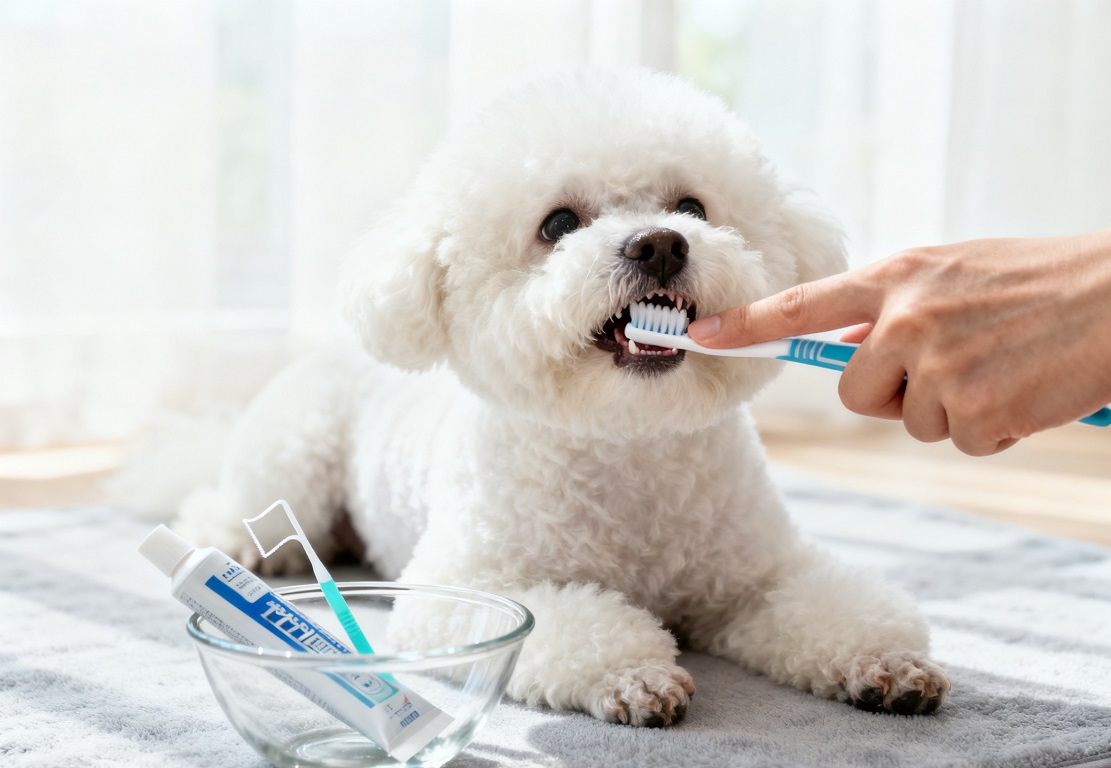
Daily brushing is the cornerstone of canine dental health
The Complete Guide to Canine Dental Health
Dental care for dogs is one of the most overlooked yet critical aspects of pet health. By age three, over 80% of dogs show signs of dental disease, which can lead to serious health complications. This comprehensive guide explains why dental care is essential and provides step-by-step instructions for maintaining your dog's oral health.
"Your dog's dental health affects their entire body. Dental disease doesn't just cause bad breath - it can lead to heart, liver, and kidney problems. Prevention is always better than treatment."
— Dr. Sarah Johnson, Veterinary Dental Specialist
The Shocking Statistics: Why Dental Care Matters
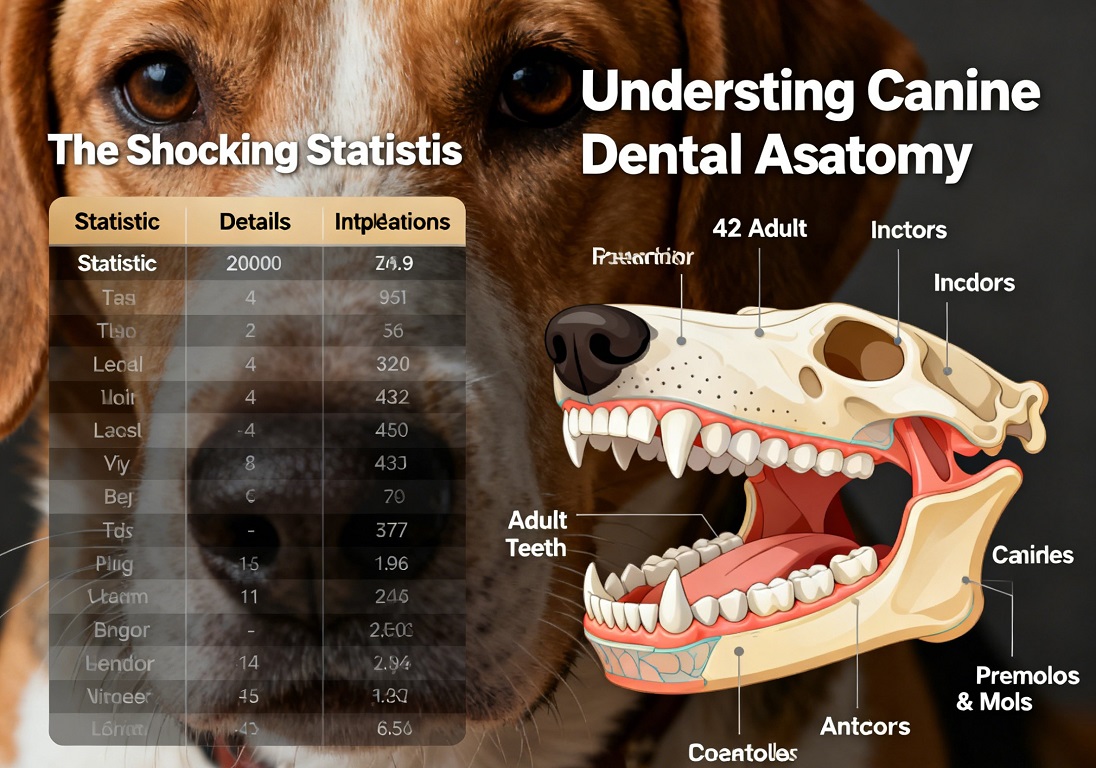
Dental disease affects 80% of dogs by age 3 - prevention is key
| Statistic | Details | Health Implications |
|---|---|---|
| Prevalence | 80% of dogs show dental disease signs by age 3 | Extremely common, often undiagnosed until advanced |
| Silent Disease | Dogs rarely show obvious pain until disease is severe | Regular dental exams essential for early detection |
| Systemic Effects | Bacteria from mouth can spread to heart, liver, kidneys | Increases risk of organ damage and failure |
| Pain Management | Dogs continue eating despite dental pain | Owners often unaware their dog is suffering |
| Treatment Costs | Advanced dental disease treatment: $500-$3,000+ | Preventive care saves money and prevents suffering |
Understanding Canine Dental Anatomy
Dog Teeth Structure:
- 42 Adult Teeth: More than humans (32)
- Incisors: Front teeth for nibbling and grooming
- Canines: Long, pointed teeth for grabbing and tearing
- Premolars & Molars: For crushing and grinding food
- Double-rooted Teeth: Some teeth have multiple roots
- Thinner Enamel: Dog enamel is thinner than human enamel
- Different Bite Force: Varies by breed and size
Stages of Dental Disease: What to Watch For
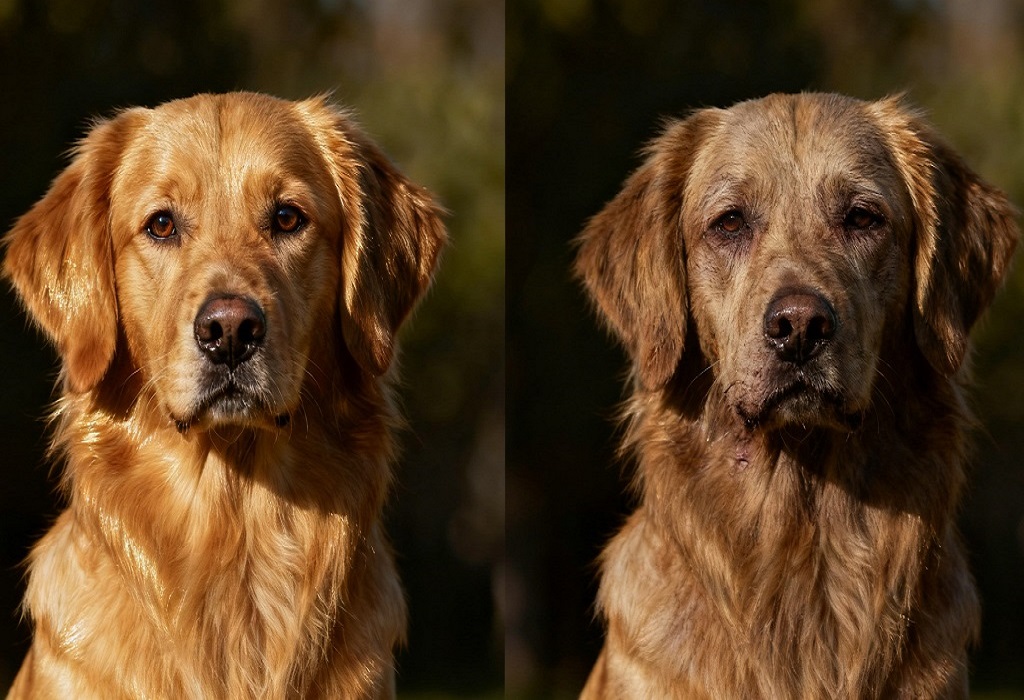
Early detection prevents progression to serious dental disease
| Stage | Condition | Symptoms | Treatment Required |
|---|---|---|---|
| Stage 1: Gingivitis | Inflammation of gums only | Red/swollen gums, bad breath, mild tartar | Professional cleaning, improved home care |
| Stage 2: Early Periodontitis | Up to 25% attachment loss | Increased tartar, gum recession, bad breath worsens | Deep cleaning, possible extractions |
| Stage 3: Moderate Periodontitis | 25-50% attachment loss | Visible tooth roots, bleeding gums, pain when eating | Multiple extractions, antibiotics, pain management |
| Stage 4: Advanced Periodontitis | Over 50% attachment loss | Loose/missing teeth, severe infection, systemic illness | Extensive extractions, systemic antibiotics, hospitalization |
The Gold Standard: Daily Tooth Brushing
Step-by-Step Brushing Guide:
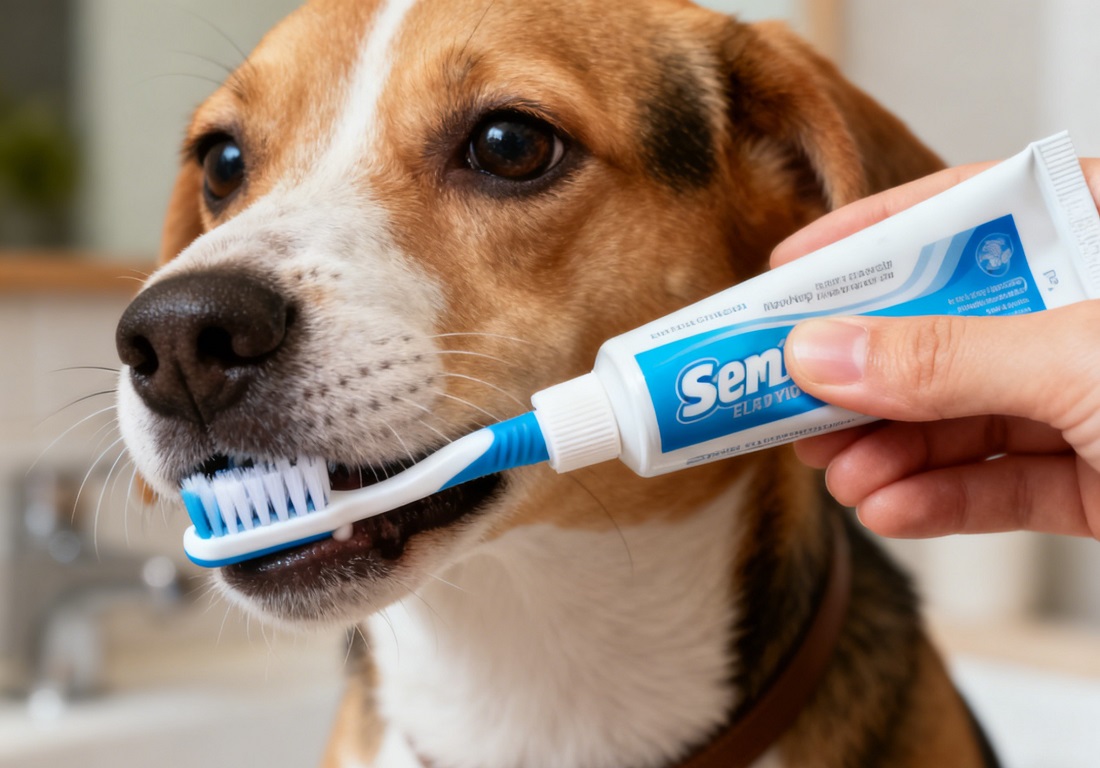
Proper brushing technique maximizes effectiveness
Preparation Phase (Week 1-2):
- Choose the Right Time: When dog is calm and relaxed
- Start with Finger Massage: Gently rub gums with your finger
- Introduce Toothpaste: Let dog taste pet toothpaste (never human toothpaste)
- Finger Brush Practice: Use finger brush or gauze with toothpaste
- Keep Sessions Short: 30-60 seconds, end with praise and treat
- Gradual Progression: Work up to longer sessions over days
Proper Brushing Technique:
- Use dog-specific toothbrush (finger brush or angled brush)
- Apply pea-sized amount of pet toothpaste
- Lift lips to expose teeth and gums
- Brush at 45-degree angle to gum line
- Use gentle circular motions
- Focus on outer surfaces (inner surfaces get some cleaning from tongue)
- Pay special attention to back molars and canine teeth
- Brush for 30-60 seconds total
Common Brushing Mistakes:
- Using human toothpaste (toxic to dogs)
- Brushing too hard (can damage gums)
- Inconsistent schedule (aim for daily)
- Missing back teeth (most tartar accumulates here)
- Forcing dog (creates negative association)
- Using old/worn toothbrush (replace every 3 months)
- Skipping toothpaste (helps with cleaning and acceptance)
Essential Dental Care Products
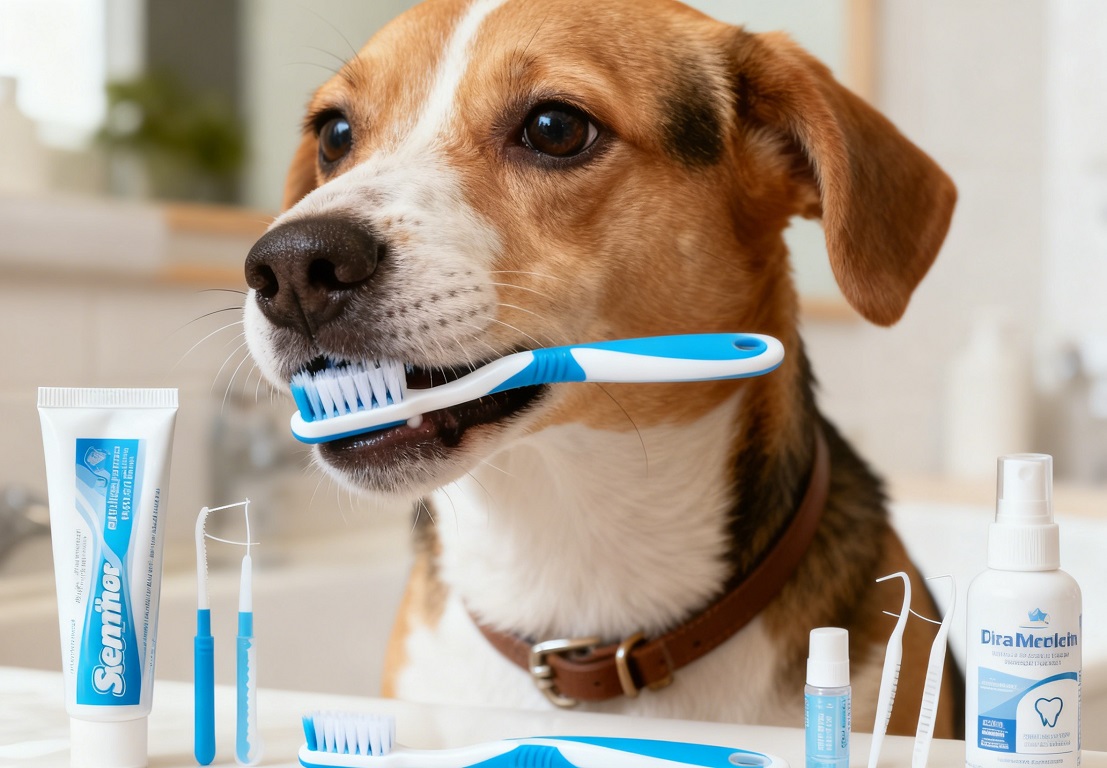
Choosing the right products makes dental care easier and more effective
| Product Type | What to Look For | How to Use | Effectiveness Rating |
|---|---|---|---|
| Toothbrushes | Soft bristles, angled head, appropriate size | Daily brushing, replace every 3 months | 10/10 (most effective) |
| Pet Toothpaste | VOHC approved, appealing flavors (poultry, beef) | Apply pea-sized amount, never rinse | 9/10 (essential for brushing) |
| Dental Chews | VOHC seal, appropriate size, digestible | Daily or as directed, supervise chewing | 7/10 (good supplement) |
| Water Additives | VOHC approved, tasteless/odorless to dog | Add to drinking water daily | 6/10 (helpful addition) |
| Dental Diets | Prescription or VOHC approved kibble | Feed as main diet or mixed with regular food | 8/10 (very effective) |
| Dental Wipes/Gels | Chlorhexidine or enzyme-based formulas | Wipe teeth daily, no rinsing needed | 6/10 (better than nothing) |
Professional Dental Cleanings: What to Expect
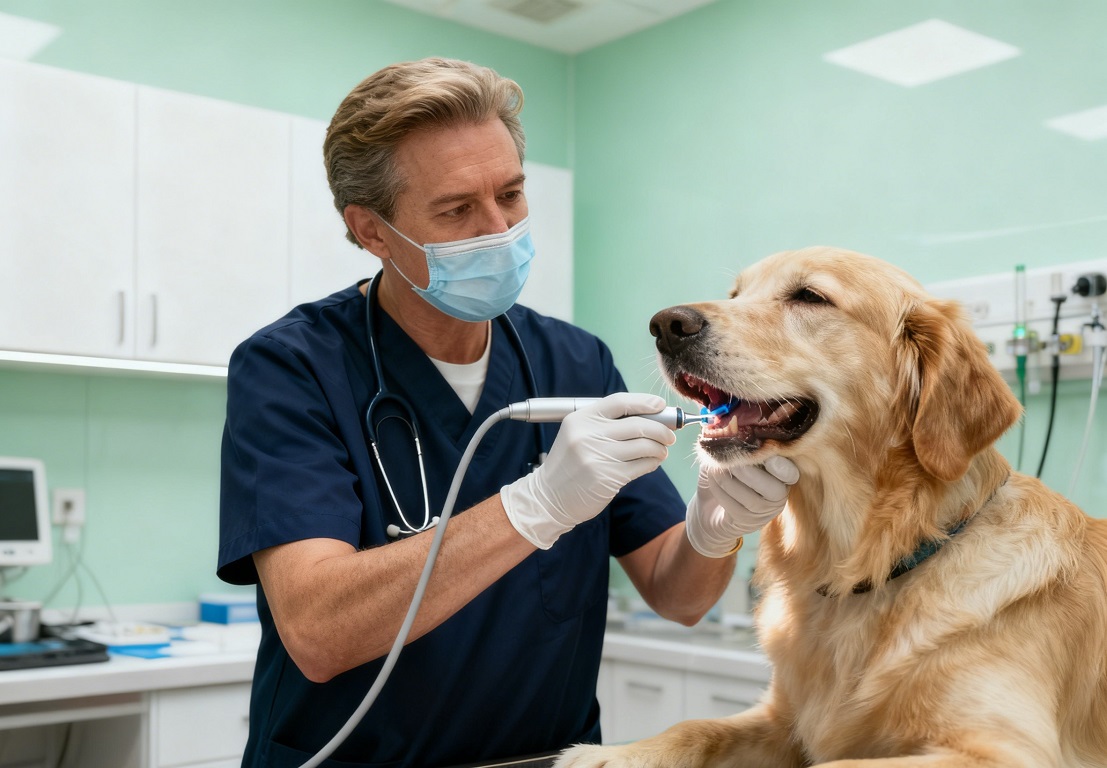
Professional cleanings under anesthesia are essential for thorough dental care
The Veterinary Dental Procedure:
- Pre-anesthetic Blood Work: Ensures safe anesthesia
- Anesthesia Induction: Safe, monitored anesthesia
- Oral Examination: Complete assessment, dental charting
- Supragingival Cleaning: Removal of tartar above gum line
- Subgingival Cleaning: Cleaning below gum line (most important)
- Polishing: Smooths enamel to prevent plaque adhesion
- Fluoride Treatment: Strengthens enamel (optional)
- Extractions if Needed: Removal of diseased teeth
- Recovery: Monitored wake-up, post-op instructions
Frequency Recommendations:
- Small Breeds: Annual cleanings often needed (toy breeds especially)
- Medium/Large Breeds: Every 1-2 years with good home care
- Brachycephalic Breeds: More frequent due to crowded teeth
- Senior Dogs: More frequent as dental disease risk increases
- Based on Individual Need: Your vet's recommendation is best
Breed-Specific Dental Considerations
Small/Toy Breeds:
- Common Issues: Crowded teeth, retained baby teeth
- Special Care: More frequent professional cleanings
- Examples: Yorkshire Terriers, Chihuahuas, Pomeranians
- Risk Level: High - require most diligent care
- Tools: Extra-small toothbrushes, daily brushing essential
Brachycephalic Breeds:
- Common Issues: Overcrowding, malocclusion
- Special Care: Focus on back teeth, regular vet checks
- Examples: Bulldogs, Pugs, Boston Terriers
- Risk Level: High - anatomical challenges
- Tools: Small brushes, dental diets helpful
Large/Giant Breeds:
- Common Issues: Fractured teeth, wear from chewing
- Special Care: Appropriate chew toys, monitor for fractures
- Examples: Labrador Retrievers, German Shepherds, Great Danes
- Risk Level: Medium - but fractures are serious
- Tools: Large brushes, durable but safe chews
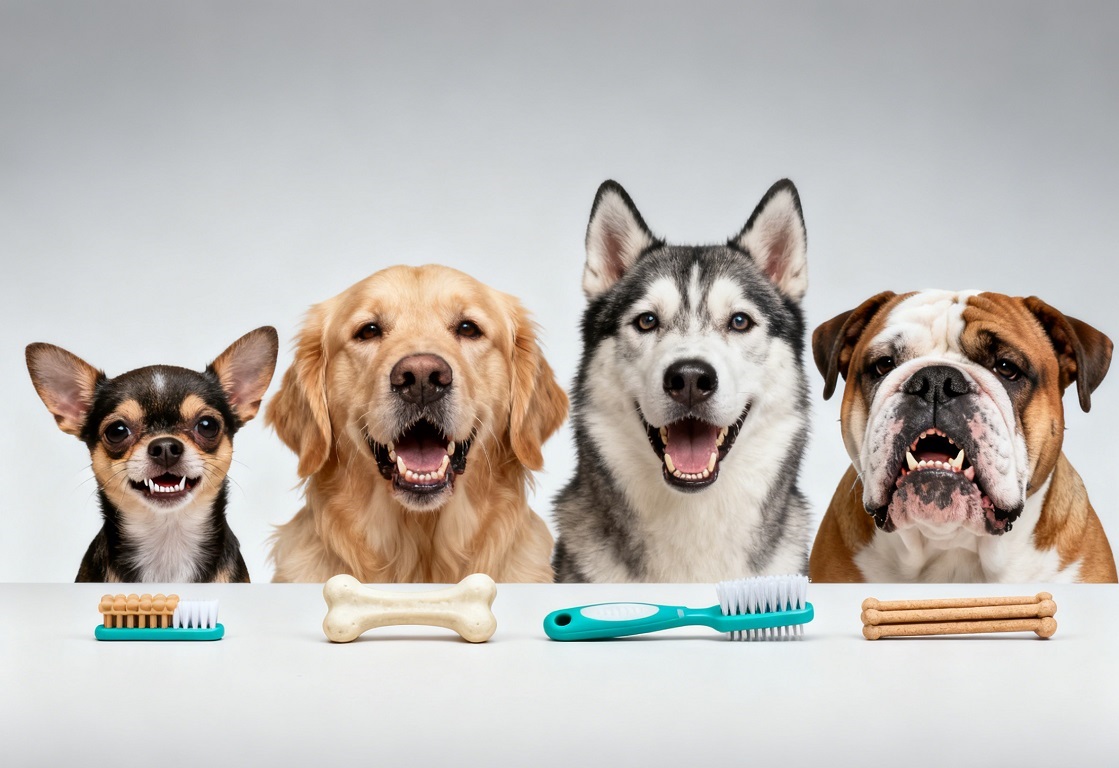
Different breeds require different dental care approaches
Warning Signs of Dental Problems
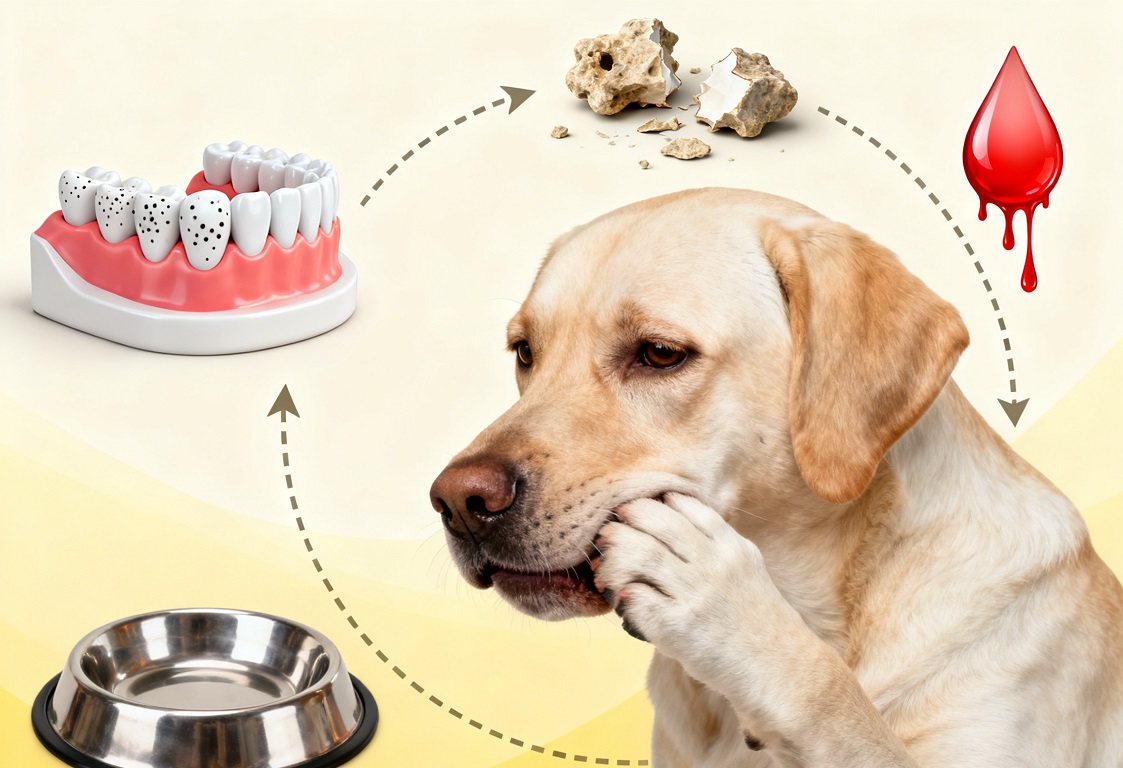
Early recognition of dental problems prevents serious complications
| Symptom | What It Might Mean | Action Required |
|---|---|---|
| Bad Breath | Bacterial infection, dental disease | Veterinary dental exam |
| Red or Bleeding Gums | Gingivitis, periodontal disease | Immediate veterinary attention |
| Difficulty Eating | Tooth pain, loose teeth, infection | Veterinary exam, possible soft food |
| Pawing at Mouth | Oral pain, foreign object, tooth fracture | Immediate veterinary attention |
| Drooling Excessively | Pain, infection, difficulty swallowing | Veterinary exam, check for other symptoms |
| Visible Tartar | Plaque mineralization, poor oral hygiene | Professional cleaning, improved home care |
| Missing/Loose Teeth | Advanced periodontal disease, trauma | Immediate veterinary dental care |
| Nasal Discharge/Sneezing | Possible tooth root abscess | Immediate veterinary dental exam with X-rays |
Home Dental Care Routine: Daily, Weekly, Monthly
Daily Maintenance:
- Brushing: 30-60 seconds with pet toothpaste
- Dental Chew: VOHC-approved chew for 10-30 minutes
- Water Additive: Add to fresh water daily
- Check for Problems: Quick visual check of mouth
Weekly Tasks:
- Thorough Inspection: Check all teeth and gums carefully
- Dental Wipe/Gel: If brushing not possible daily
- Clean Toothbrush: Rinse thoroughly, allow to dry
- Treat Variety: Offer different dental treat types
Monthly Monitoring:
- Breath Check: Note any changes in odor
- Weight Monitoring: Ensure eating normally
- Behavior Observation: Note any chewing changes
- Product Inventory: Restock supplies as needed
Safe vs. Unsafe Chew Toys and Treats
Safe Options (Promote Dental Health):
- Rubber Chew Toys: Kong-type toys with dental ridges
- Rawhide Alternatives: Veggie-based chews, rubber chews
- Dental Chews: VOHC-approved with seal
- Rubber Bristle Brushes: Chew toys with brushing action
- Dental Diets: Prescription dental kibble
- Frozen Carrots: For small dogs (supervised)
- Nylon Bones: Designed for dental cleaning
Unsafe Options (Risk of Damage):
- Antlers & Bones: Can fracture teeth
- Hard Nylon Bones: If too hard for your dog's bite force
- Ice Cubes: Can crack teeth
- Cooked Bones: Splinter and cause damage
- Hooves: Very hard, high fracture risk
- Rocks/Sticks: Common causes of tooth fractures
- Human Hard Candies: Can stick to teeth, contain sugar
Puppy Dental Care: Starting Right
Puppy Dental Timeline:
- 3-4 Weeks: Baby teeth begin to emerge
- 8 Weeks: Full set of 28 baby teeth
- 12-16 Weeks: Begin teething, baby teeth fall out
- 6-7 Months: All 42 adult teeth should be in place
- Important: Some breeds retain baby teeth needing extraction
Puppy Dental Care Steps:
- Start handling mouth gently from 8 weeks
- Introduce tooth brushing during teething phase
- Use puppy-specific toothpaste and brush
- Check for retained baby teeth at 6 months
- Schedule first dental exam by 1 year
- Establish daily brushing habit early
- Provide appropriate teething toys
Senior Dog Dental Care Special Considerations
| Senior Issue | Dental Implications | Care Adjustments |
|---|---|---|
| Reduced Immunity | More susceptible to infections | More frequent dental checkups |
| Medication Effects | Some drugs cause dry mouth | Increase water, consider saliva substitutes |
| Arthritis Pain | May resist mouth handling | Gentler approach, shorter sessions |
| Cognitive Decline | May forget training, become anxious | Extra patience, consistent routine |
| Existing Dental Work | Crowns, bridges, implants need maintenance | Special care instructions from vet |
| Anesthesia Risks | Higher risk for senior dogs | Pre-anesthetic blood work essential |
Cost of Dental Care: Prevention vs. Treatment
Preventive Costs (Annual):
- Toothbrush & toothpaste: $15-$30
- Dental chews (monthly supply): $20-$40
- Water additives: $15-$25
- Annual dental exam: $50-$100
- Total Preventive: $100-$195/year
Treatment Costs (When Needed):
- Basic cleaning (anesthesia, cleaning): $300-$700
- Tooth extraction (per tooth): $100-$500
- Advanced periodontal treatment: $800-$3,000+
- Root canal therapy: $1,500-$3,000
- Emergency dental care: $500-$2,000+
- Potential Total: $300-$8,000+
Dental Care Success Checklist
Monthly Progress Assessment:
- ✓ Daily brushing established and maintained
- ✓ Appropriate dental products being used
- ✓ Regular professional cleanings scheduled
- ✓ Safe chew toys provided, unsafe ones avoided
- ✓ Dog accepts mouth handling without stress
- ✓ No signs of dental pain or discomfort
- ✓ Breath is reasonably fresh (not foul)
- ✓ Gums are pink, not red or bleeding
- ✓ Eating normally with no difficulty
- ✓ Weight stable (dental pain can cause weight loss)
Conclusion: A Lifetime of Healthy Smiles
Dental care is not optional for dogs - it's an essential part of their overall health care. The time and effort you invest in your dog's dental health pays dividends in their comfort, longevity, and quality of life. Remember that dental disease is preventable, and early intervention is key.
Start today, regardless of your dog's age. Even older dogs can benefit from improved dental care. Work with your veterinarian to create a personalized dental care plan that addresses your dog's specific needs, breed characteristics, and health status. Your dog's healthy smile is worth the effort.
"Think of dental care as an investment in your dog's future. Every brushing session, every dental chew, every professional cleaning adds up to more comfortable years with your beloved companion."
About the Author
Dr. Michael Chen is a board-certified veterinary dentist with over 15 years of clinical experience. He serves as the head of dentistry at a major veterinary specialty hospital and is a frequent lecturer at veterinary conferences on preventive dental care and advanced dental procedures for companion animals.