Complete Guide to Adopting a Rescue Dog: What You Need to Know

Adopting a rescue dog brings immeasurable joy and creates lifelong bonds
Adopting a rescue dog is one of the most rewarding experiences you can have. Not only are you giving a deserving animal a second chance at life, but you're also gaining a loyal companion. However, successful dog adoption requires proper preparation and understanding. This comprehensive guide covers everything you need to know about adopting a rescue dog, from initial research to post-adoption care.
Why Adopt a Rescue Dog?
Before diving into the adoption process, it's important to understand the benefits of adopting from shelters and rescue organizations:
| Benefit | Description |
|---|---|
| Saving a Life | You're directly contributing to reducing shelter overcrowding and giving a dog a loving home |
| Cost-Effective | Adoption fees are typically lower than buying from breeders and include vaccinations and spaying/neutering |
| Health Advantages | Rescue dogs often come with complete medical histories and initial veterinary care |
| Adult Dog Benefits | Many rescue dogs are adults with established personalities and training |
| Variety of Breeds | Shelters have dogs of all breeds, sizes, and ages to match different lifestyles |
Step-by-Step Adoption Process
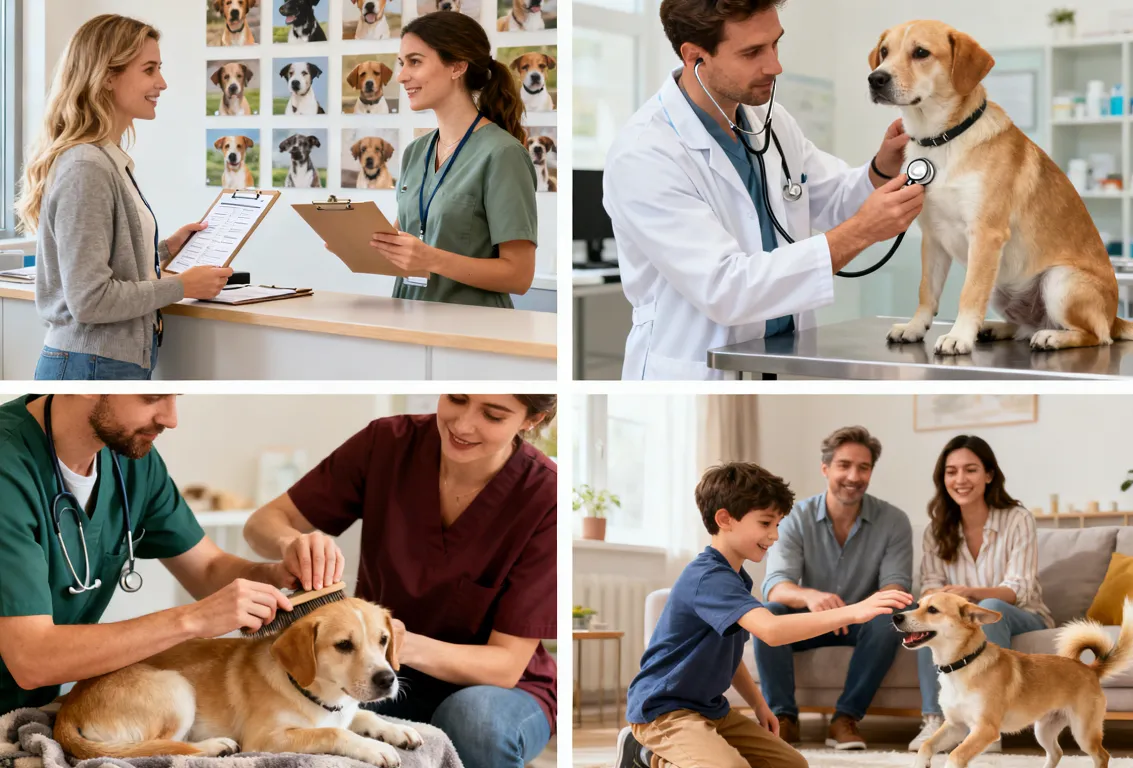
Understanding the adoption process ensures a smooth transition for both you and your new dog
1. Self-Assessment: Are You Ready for a Dog?
Before visiting shelters, honestly assess your:
- Lifestyle and schedule: Do you have time for daily walks, feeding, and play?
- Living situation: Is your home/apartment pet-friendly?
- Financial readiness: Can you afford food, vet care, and supplies?
- Family considerations: Are all household members on board with adoption?
- Long-term commitment: Dogs live 10-15 years - are you prepared for this responsibility?
"Adopting a rescue dog isn't just about saving an animal - it's about gaining a family member who will love you unconditionally."
2. Research and Find Reputable Rescue Organizations
Look for:
- Local animal shelters: Municipal facilities with various dogs
- Breed-specific rescues: Organizations focusing on particular breeds
- Private rescue groups: Often foster-based with detailed behavioral assessments
- Online platforms: Petfinder.com, Adoptapet.com connect you with multiple organizations
3. Visit Shelters and Meet Potential Dogs
When visiting shelters:
- Visit multiple times to see dogs' true personalities
- Ask to interact with dogs in a quiet area
- Observe behavior around other dogs and people
- Ask about the dog's history and known behaviors
- Request a trial walk or foster-to-adopt program if available
4. Essential Questions to Ask Shelter Staff
Before making your decision, ask these crucial questions:
- Medical history: What vaccinations has the dog received? Any known health issues?
- Behavioral assessment: How does the dog react to other animals, children, strangers?
- Background information: Do you know why the dog was surrendered?
- Temperament testing: Has the dog been tested for resource guarding, separation anxiety?
- Training level: Is the dog house-trained? Knows basic commands?
- Special needs: Does the dog require medication or special care?
- Adoption requirements: Are there specific home requirements or restrictions?
Preparing Your Home for Your New Dog
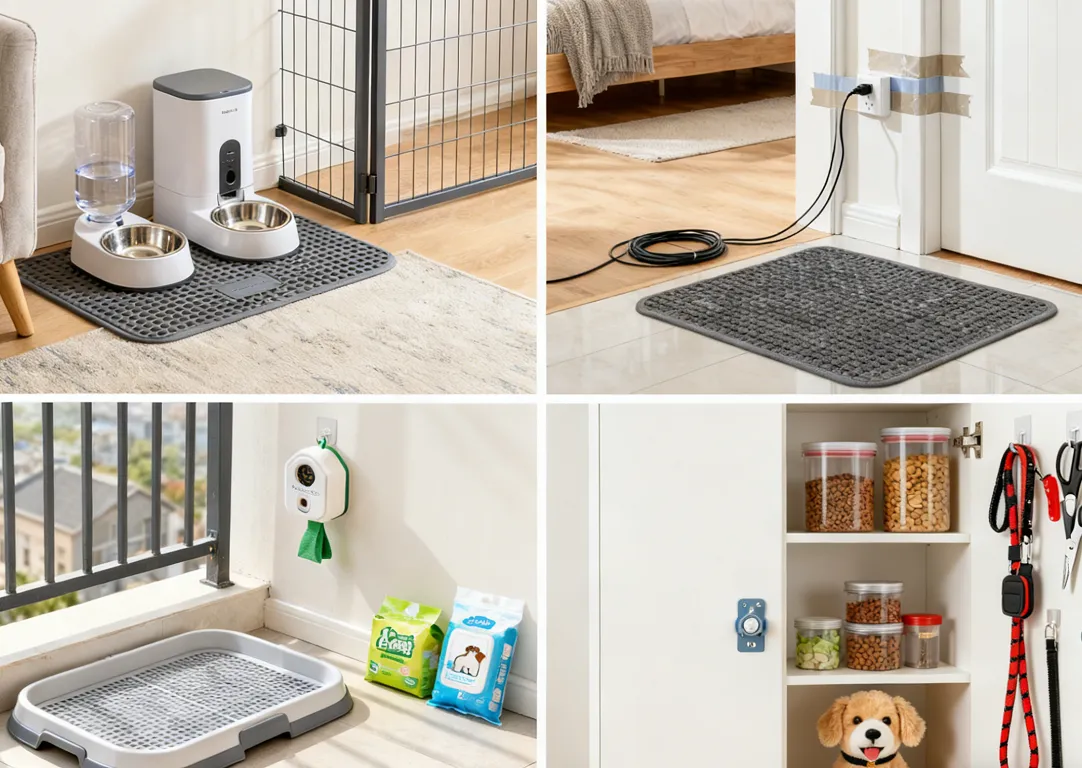
Proper preparation ensures a safe and comfortable transition for your new family member
Essential Supplies Checklist
Must-Have Items Before Bringing Your Dog Home:
- Food and water bowls: Stainless steel or ceramic are best
- Quality dog food: Consult your vet for appropriate diet
- Collar, leash, and ID tags: Essential for safety
- Comfortable bed: Place in a quiet, draft-free area
- Dog crate: For safe confinement and training
- Toys: Variety for chewing, fetching, and mental stimulation
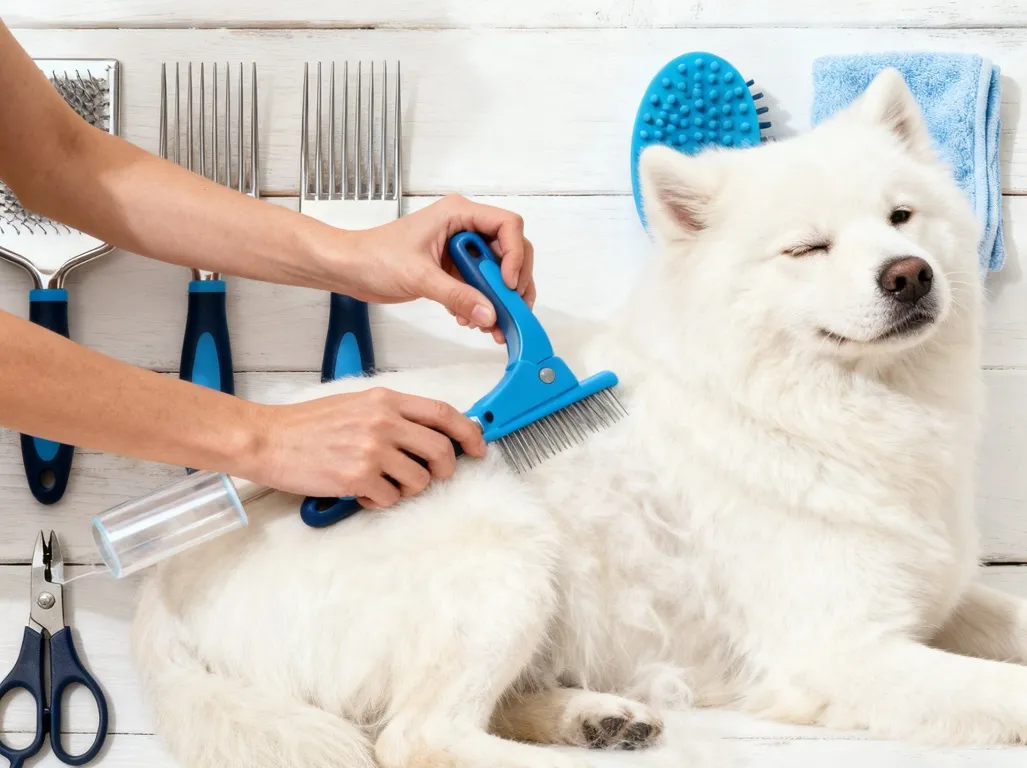
- Grooming supplies: Brush, nail clippers, dog shampoo
- Cleaning supplies: Enzymatic cleaner for accidents
- First-aid kit: Basic supplies for minor emergencies
Dog-Proofing Your Home
Ensure your home is safe by:
- Securing trash cans with lids
- Removing toxic plants (lilies, poinsettias, etc.)
- Storing cleaning products and medications safely
- Securing electrical cords and small objects
- Installing baby gates if needed
- Creating a safe outdoor space if you have a yard
The First Days: Helping Your Dog Adjust
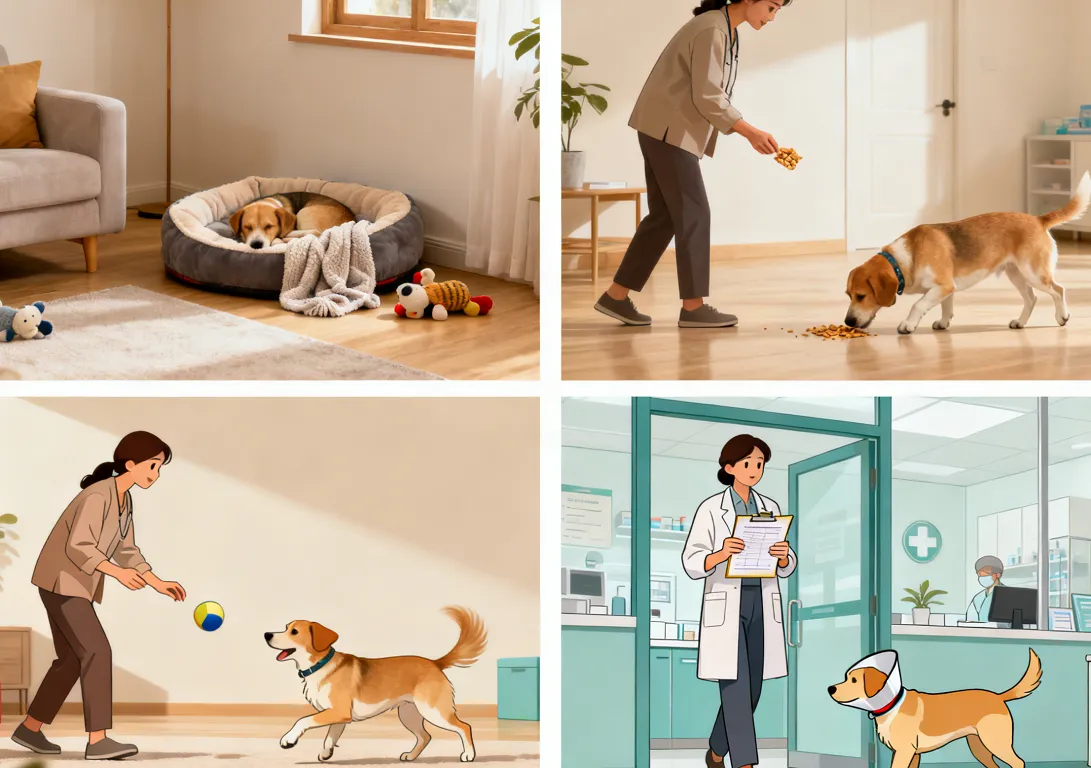
The first week sets the foundation for a successful long-term relationship
First 24 Hours: The Adjustment Period
Your new dog will need time to adjust. Follow these tips:
Do's
- Provide a quiet space for retreat
- Maintain consistent routines
- Use positive reinforcement
- Allow exploration at their pace
- Schedule a vet check within first week
Don'ts
- Don't overwhelm with visitors
- Don't force interaction
- Don't leave alone for long periods
- Don't punish accidents
- Don't skip the vet visit
Establishing Routines
Consistency is key for rescue dogs. Establish:
- Feeding schedule: Same times each day
- Potty routine: Regular bathroom breaks
- Exercise schedule: Daily walks and playtime
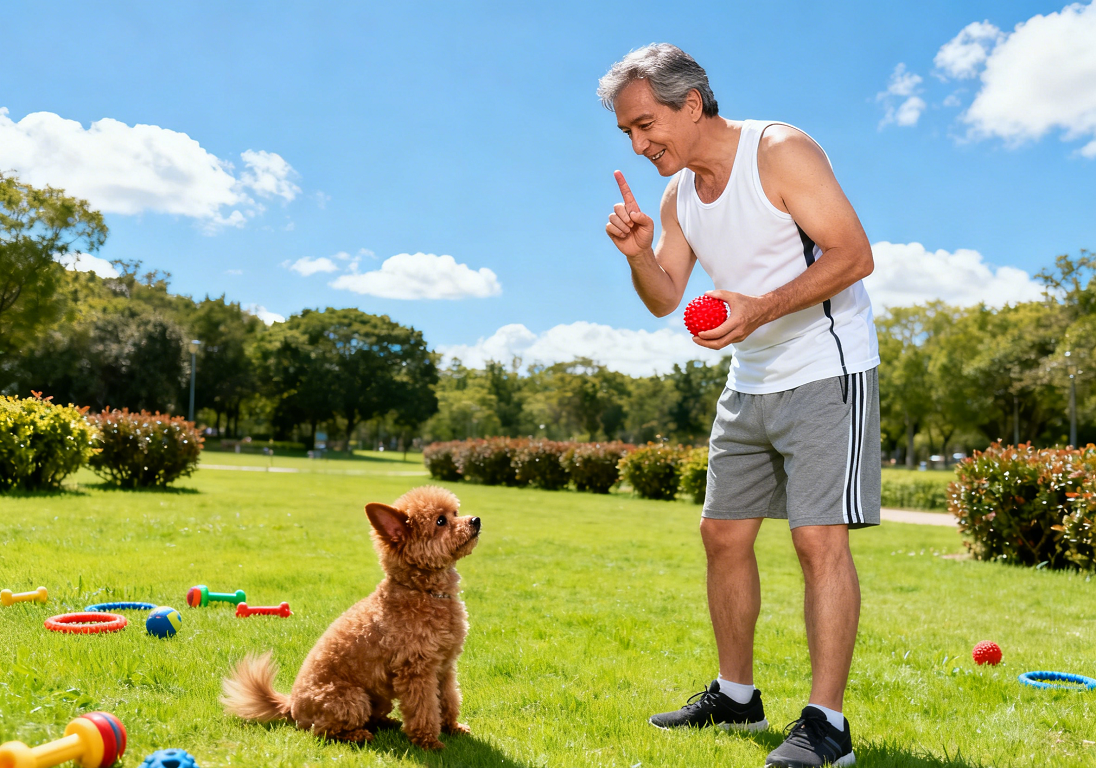
- Training sessions: Short, positive sessions daily
- Sleep routine: Consistent bedtime and sleeping area
Common Challenges and Solutions
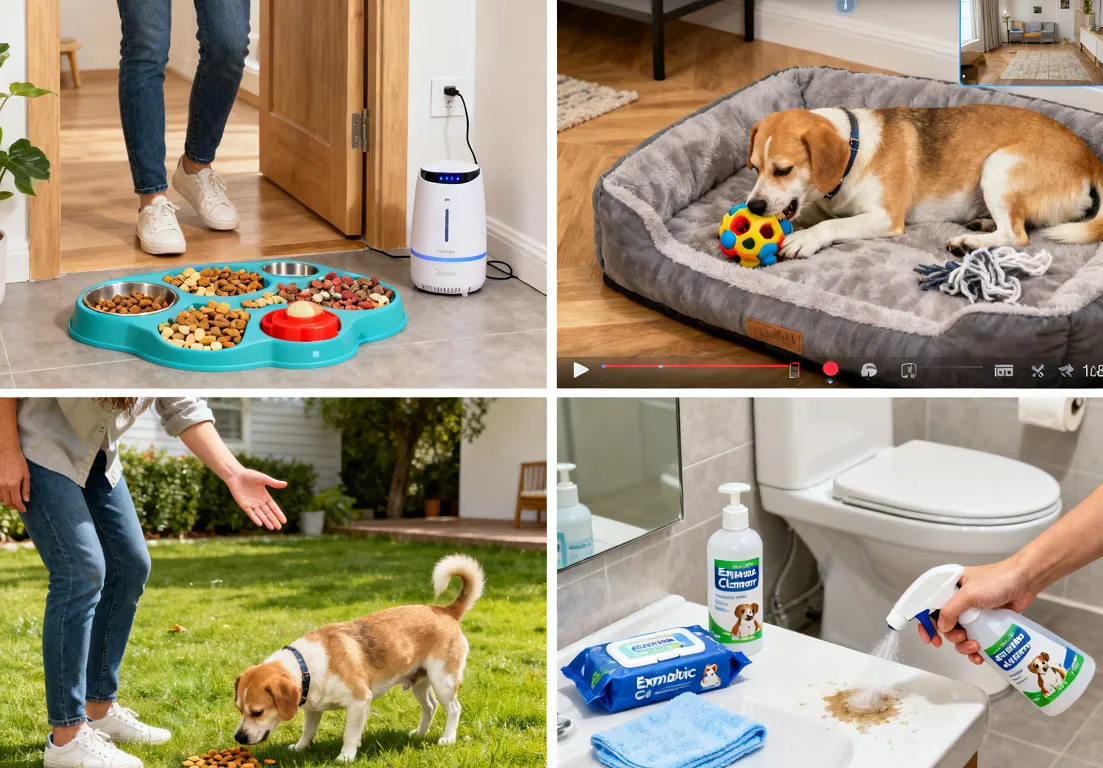
Understanding common challenges helps you navigate the adjustment period with confidence
Separation Anxiety
Many rescue dogs experience separation anxiety. Solutions include:
- Gradual desensitization to alone time
- Providing puzzle toys when leaving
- Using calming supplements or pheromone diffusers
- Consulting a professional trainer if severe
House Training Issues
Even adult dogs may need refresher training:
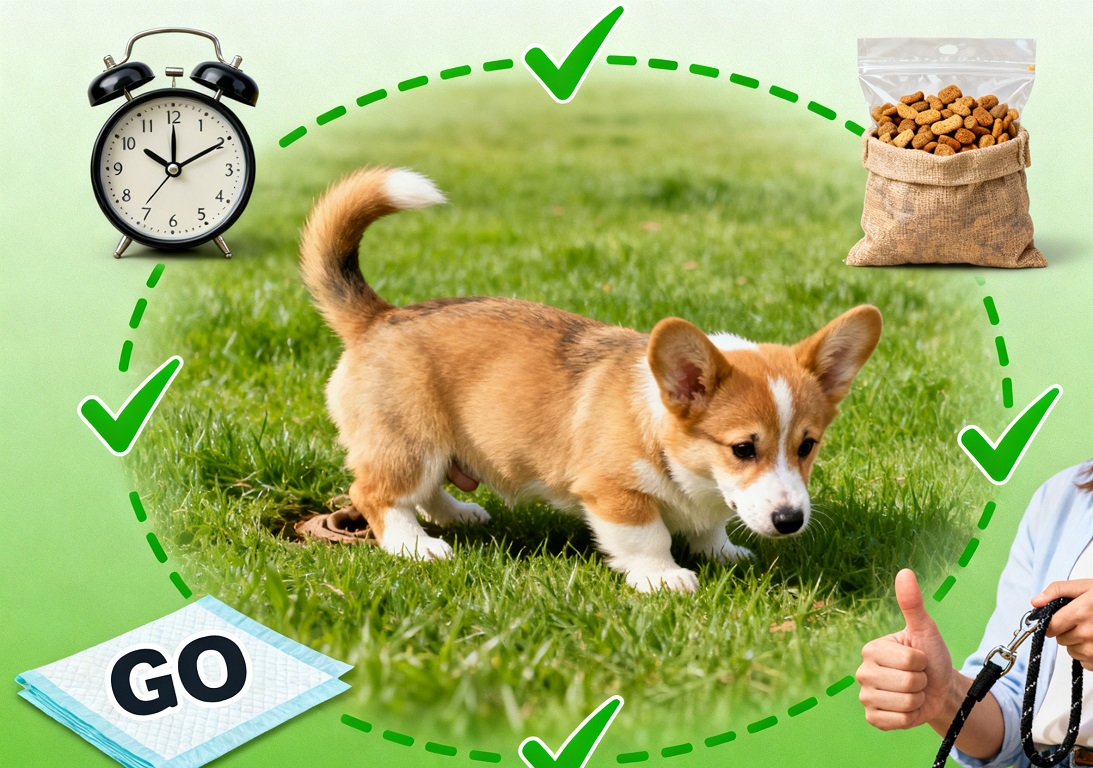
- Take outside frequently (every 2-4 hours initially)
- Use consistent potty command words
- Reward immediately after successful elimination
- Clean accidents thoroughly with enzymatic cleaners
Behavioral Issues
Common issues and management strategies:
| Issue | Management Strategy |
|---|---|
| Fearfulness | Positive association training, patience, avoid forcing interaction |
| Resource Guarding | Trade-up method, management, professional guidance |
| Leash Reactivity | Distance management, counter-conditioning, proper equipment |
| Excessive Barking | Identify trigger, provide alternatives, reward quiet behavior |
Post-Adoption Veterinary Care
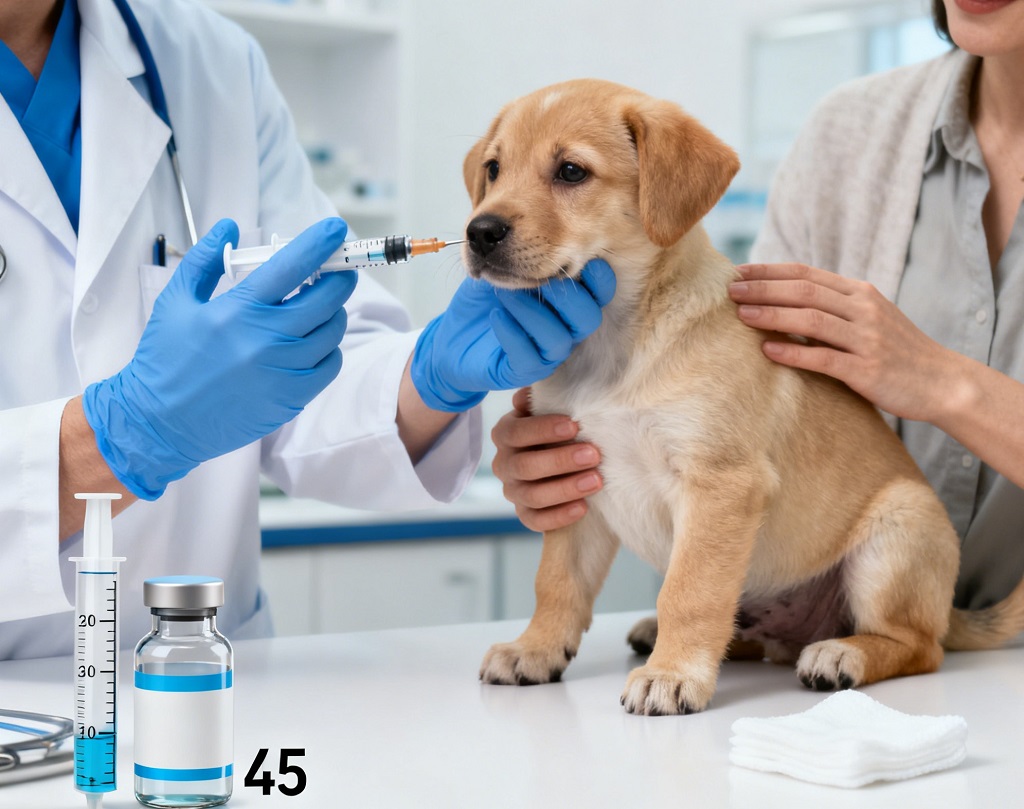
Schedule a veterinary appointment within the first week. Your vet will:
- Perform a complete physical examination
- Update vaccinations if needed
- Discuss spaying/neutering if not already done
- Recommend heartworm and flea prevention
- Address any health concerns noted by the shelter
- Establish a wellness plan for your dog
Building a Strong Bond
Building trust takes time. Strengthen your bond by:
- Quality time: Daily walks, play sessions, and cuddles
- Training together: Builds communication and trust
- Understanding body language: Learn to read your dog's signals
- Patience: Allow your dog to adjust at their own pace
- Consistency: Predictable routines build security
"The first few weeks with a rescue dog set the foundation for your lifelong relationship. Patience and consistency are your greatest tools."
When to Seek Professional Help
Consider professional help if you notice:
- Aggression toward people or other animals
- Severe separation anxiety causing destruction
- Extreme fearfulness that doesn't improve
- Resource guarding that poses safety risks
- Any behavior that concerns you or your family's safety
Certified professional dog trainers and veterinary behaviorists can provide valuable guidance.
Final Thoughts: The Rewards of Rescue Dog Adoption
Adopting a rescue dog is a journey filled with challenges and immense rewards. While the adjustment period requires patience and dedication, the bond you'll build with your rescue dog is truly special. Remember that every dog is an individual with their own history and personality. With proper preparation, realistic expectations, and lots of love, you can provide a wonderful forever home to a deserving dog.
Ready to start your adoption journey? Visit your local shelter or rescue organization today. The perfect companion might be waiting for you right now.
Ready to Adopt? Checklist Summary
- ✓ Assess your readiness and lifestyle
- ✓ Research local shelters and rescues
- ✓ Prepare your home and gather supplies
- ✓ Visit shelters and ask important questions
- ✓ Schedule post-adoption vet appointment
- ✓ Establish routines and be patient
- ✓ Seek help if needed, and enjoy your new companion!