Common Dog Health Problems and How to Prevent Them

Common Canine Health Problems: Causes, Warning Signs & Prevention Methods
Understanding and Preventing Common Canine Health Issues
Being proactive about your dog's health can add years to their life and improve their quality of life. This comprehensive guide covers the most common health problems affecting dogs today, with practical prevention strategies and early warning signs every pet owner should know.
"Prevention is always better than treatment. Knowing what to watch for and taking preventive measures can save your dog from discomfort and you from expensive veterinary bills."
— Dr. Jennifer Martinez, DVM, Veterinary Internal Medicine Specialist
1. Dental Disease: The Silent Epidemic
Prevalence and Risk:
Over 80% of dogs show signs of dental disease by age 3, yet it's one of the most preventable health issues.
| Stage | Symptoms | Prevention Methods | Typical Veterinary Interventions |
|---|---|---|---|
| Gingivitis | Red/swollen gums, bad breath | Daily brushing, dental chews | Professional cleaning |
| Periodontitis | Receding gums, loose teeth, pain while eating | Regular cleanings, water additives | Deep cleaning, extractions |
| Advanced Disease | Tooth loss, infections, systemic illness | Annual dental exams from puppyhood | Multiple extractions, antibiotics |

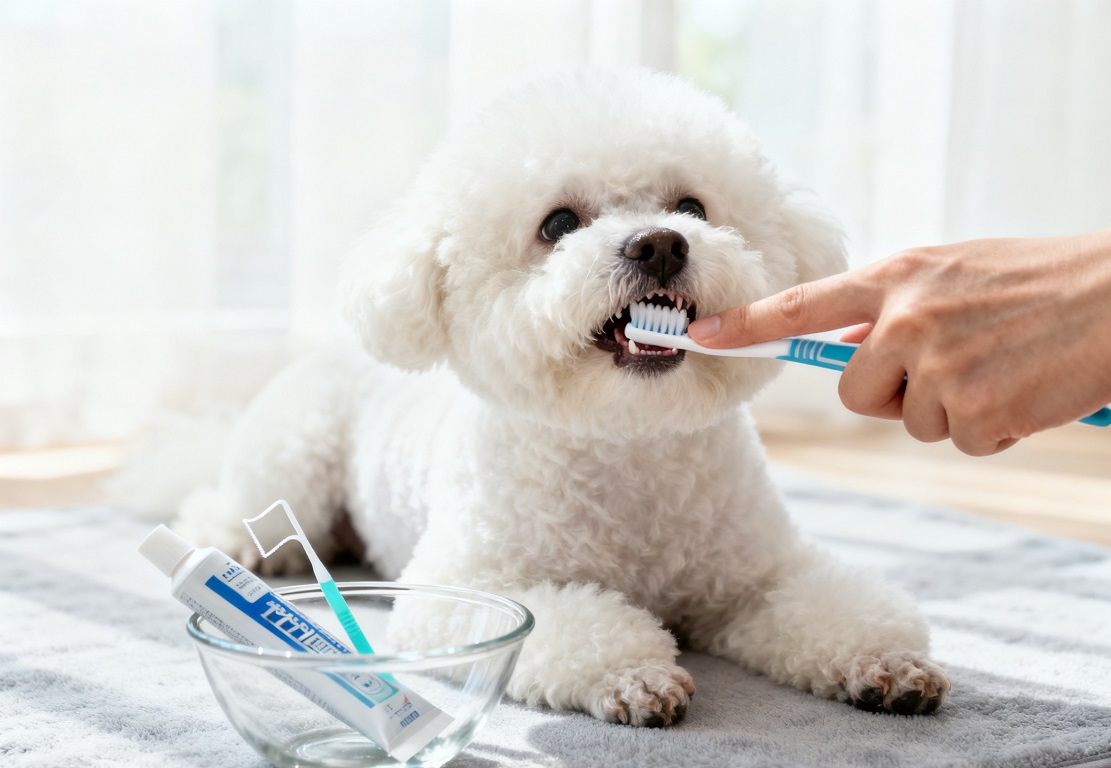
Proper dental care tools make prevention easier and more effective
Complete Dental Prevention Plan:
- Daily brushing: Use pet toothpaste and soft brush
- Dental diets: Prescription or veterinary-recommended kibble
- Regular chew toys: VOHC-approved dental chews
- Professional cleanings: Annual veterinary dental exams
- Water additives: Antimicrobial solutions (vet-approved)
- Dental wipes: Alternative for dogs who resist brushing
2. Obesity: The Weighty Problem
Statistics and Consequences:
Approximately 56% of dogs in the US are overweight or obese, leading to numerous secondary health issues.
Health Risks of Obesity:
- Diabetes: 3x higher risk in obese dogs
- Arthritis: Extra weight stresses joints
- Heart disease: Increased cardiac workload
- Respiratory issues: Difficulty breathing, especially in brachycephalic breeds
- Reduced lifespan: Overweight dogs live 2.5 years less on average
- Skin problems: Folds trap moisture and bacteria
Body Condition Scoring:
- Ideal (4-5/9): Ribs easily felt, waist visible from above
- Overweight (6/9): Ribs felt with pressure, waist barely visible
- Obese (7-9/9): Ribs not felt, no waist, abdominal fat pads

Understanding body condition scores helps monitor healthy weight
Weight Management Strategies:
| Strategy | Implementation | Expected Results |
|---|---|---|
| Controlled Portions | Measure all food, follow feeding guidelines | 1-2% body weight loss per week |
| Diet Food | Prescription weight management diets | Higher fiber for satiety, lower calories |
| Increased Exercise | Gradual increase in daily activity | Builds muscle, burns calories |
| Treat Management | Low-calorie treats, vegetables as snacks | Reduces hidden calories |
| Regular Weigh-ins | Monthly weight checks, adjust as needed | Tracks progress, maintains motivation |
3. Arthritis and Joint Problems
Understanding Canine Arthritis:
20% of adult dogs and 80% of senior dogs suffer from some form of arthritis, making it one of the most common chronic conditions.
Early Warning Signs:
- Stiffness: Especially after rest or in cold weather
- Reluctance to move: Avoiding stairs, jumping, or playing
- Limping or favoring limbs: May shift between legs
- Behavior changes: Irritability when touched, decreased activity
- Difficulty rising: Trouble getting up from lying position
- Muscle atrophy: Loss of muscle mass in affected limbs
Prevention Strategies:
- Weight management: Single most important factor
- Joint supplements: Glucosamine, chondroitin from young age
- Appropriate exercise: Regular, low-impact activities
- Proper nutrition: Balanced diet with omega-3 fatty acids
- Joint-friendly environment: Ramps, orthopedic beds, non-slip floors
- Regular veterinary checks: Early detection and intervention
High-Risk Breeds:
- Large/giant breeds (Labs, German Shepherds, Golden Retrievers)
- Dachshunds (intervertebral disc disease)
- Bulldogs, Pugs (hip dysplasia)
- Working and sporting breeds
- Dogs with previous joint injuries
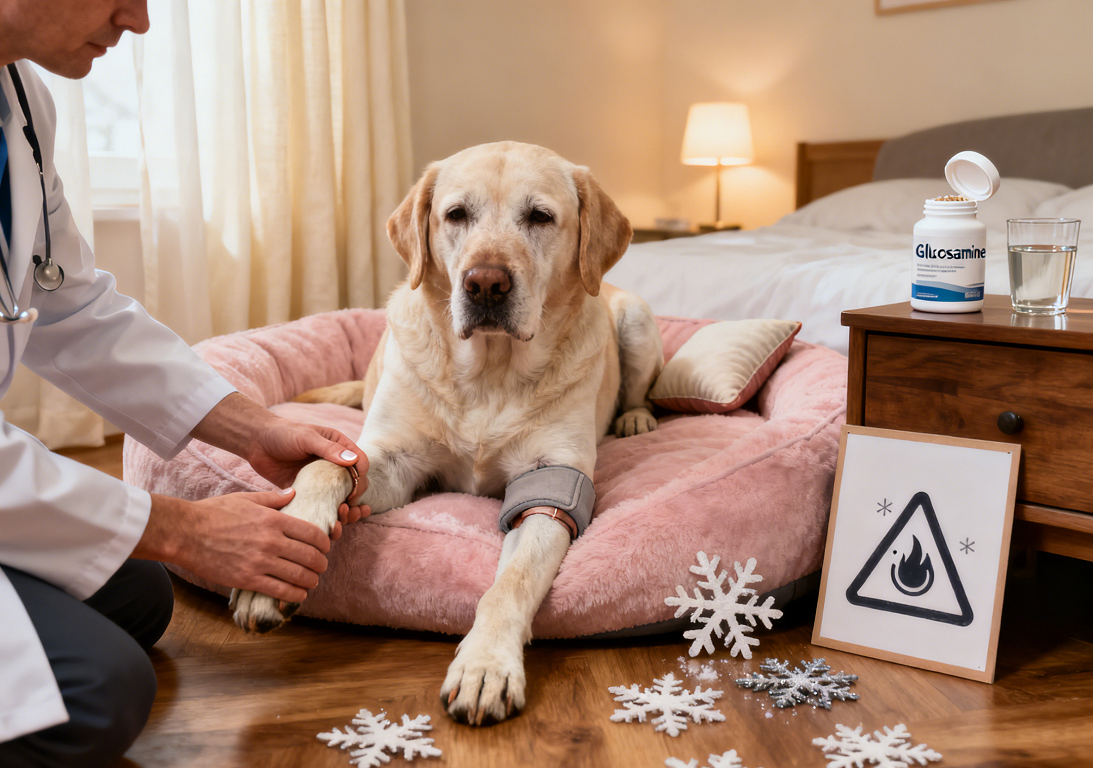
Joint support products help maintain mobility and comfort
4. Skin Allergies and Dermatitis
Common Allergy Types:
| Allergy Type | Common Triggers | Symptoms | Prevention/Treatment |
|---|---|---|---|
| Flea Allergy Dermatitis | Flea saliva (just 1-2 bites) | Intense itching, hair loss base of tail | Year-round flea prevention, environmental control |
| Food Allergies | Beef, dairy, chicken, wheat, soy, eggs | Itching, ear infections, gastrointestinal issues | Elimination diets, novel protein foods |
| Environmental Allergies | Pollen, mold, dust mites, grasses | Seasonal itching, paw licking, face rubbing | Antihistamines, immunotherapy, frequent bathing |
| Contact Dermatitis | Chemicals, plants, certain fabrics | Redness, itching at contact points | Avoid triggers, hypoallergenic bedding |
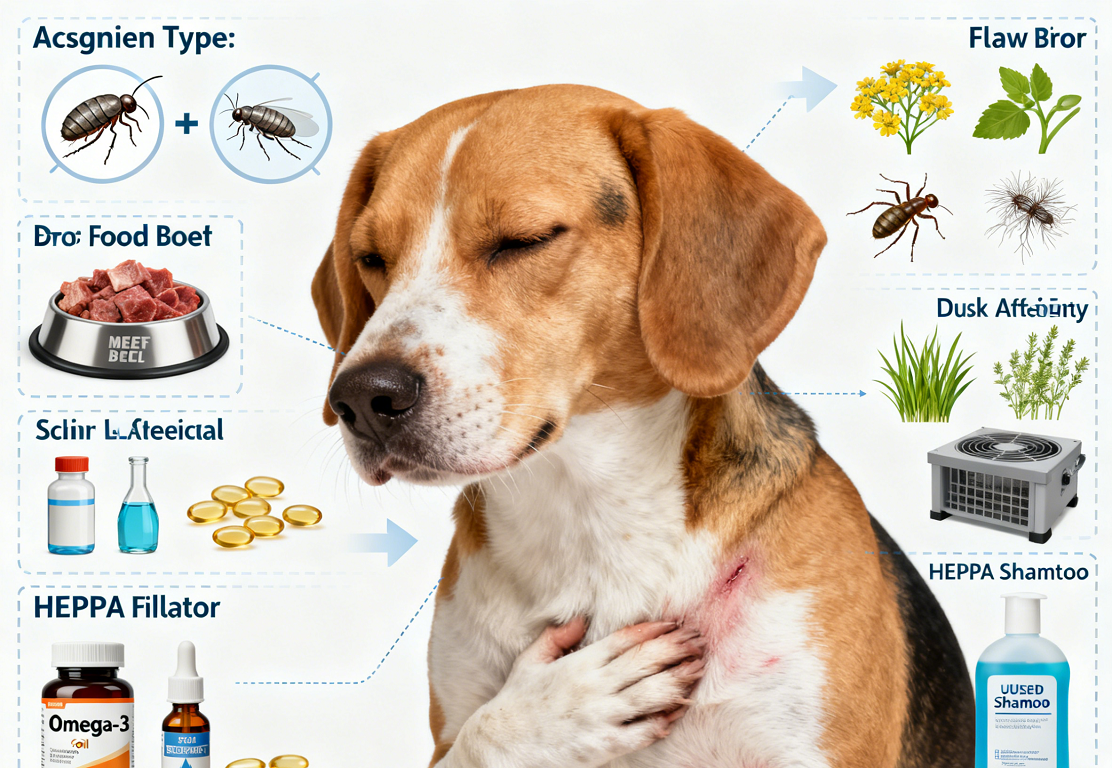
Different approaches to managing canine allergies and skin issues
Skin Health Maintenance:
- Regular grooming: Removes allergens, distributes natural oils
- Omega-3 supplements: Fish oil improves skin barrier
- Hypoallergenic diets: For dogs with food sensitivities
- Environmental control: HEPA filters, frequent vacuuming
- Parasite prevention: Monthly flea/tick/heartworm medications
- Proper bathing: Medicated shampoos as needed
5. Ear Infections (Otitis Externa)
Risk Factors and Prevention:
High-Risk Dogs:
- Breeds with floppy ears (Cocker Spaniels, Basset Hounds)
- Dogs who swim frequently
- Allergic dogs (secondary infections)
- Dogs with narrow ear canals
- Dogs with excessive hair in ear canals
Prevention Techniques:
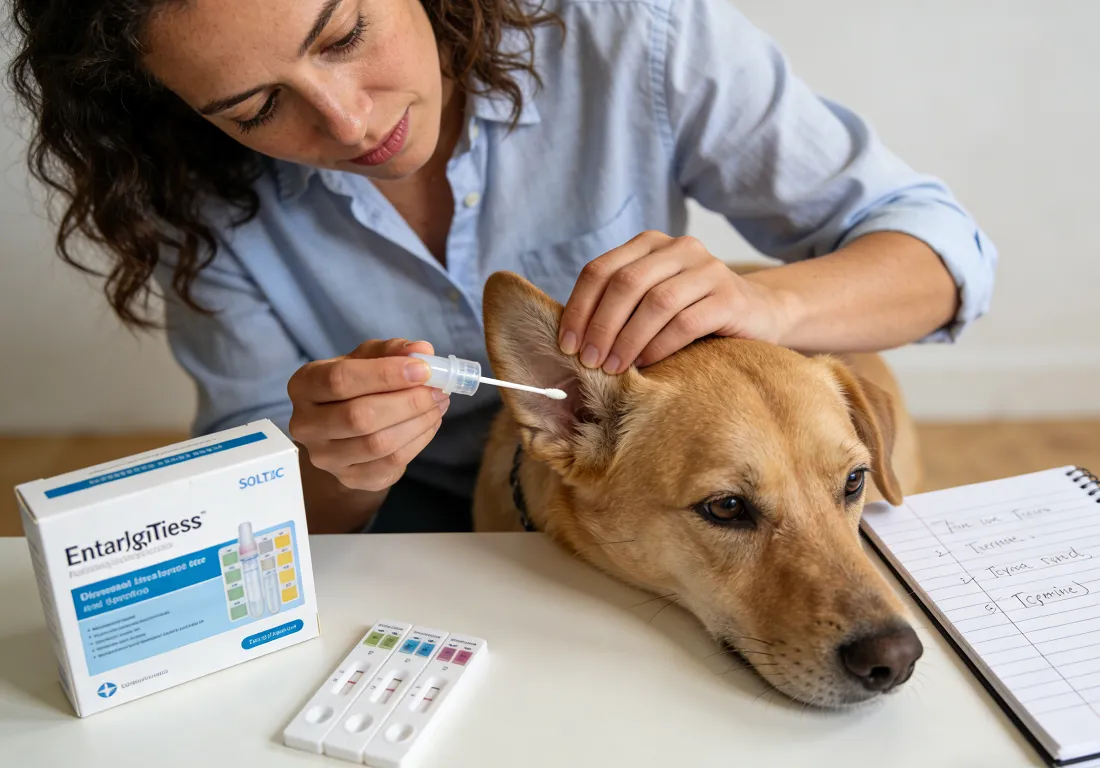
- Regular ear cleaning: Weekly for high-risk dogs
- Proper drying: After swimming or bathing
- Ear plucking: Remove excess hair (by groomer/vet)
- Allergy management: Control underlying causes
- Veterinary ear cleaners: Maintain proper pH balance

Proper ear care prevents painful infections and hearing loss
Recognizing Ear Problems:
Warning Signs:
- Head shaking or tilting
- Ear scratching or rubbing
- Redness or swelling of ear flap
- Unpleasant odor from ears
- Discharge (yellow, brown, or bloody)
- Pain when ears are touched
- Loss of balance or hearing
6. Gastrointestinal Issues
Common GI Problems:
| Condition | Causes | Symptoms | Prevention |
|---|---|---|---|
| Acute Gastroenteritis | Dietary indiscretion, infections | Vomiting, diarrhea, lethargy | Proper food storage, avoid table scraps |
| Pancreatitis | High-fat foods, certain medications | Severe vomiting, abdominal pain, fever | Low-fat diet, no human food |
| Inflammatory Bowel Disease | Immune-mediated, food allergies | Chronic diarrhea, weight loss, vomiting | Hypoallergenic diet, stress reduction |
| Intestinal Parasites | Roundworms, hookworms, giardia | Diarrhea, weight loss, pot-bellied appearance | Regular deworming, clean environment |
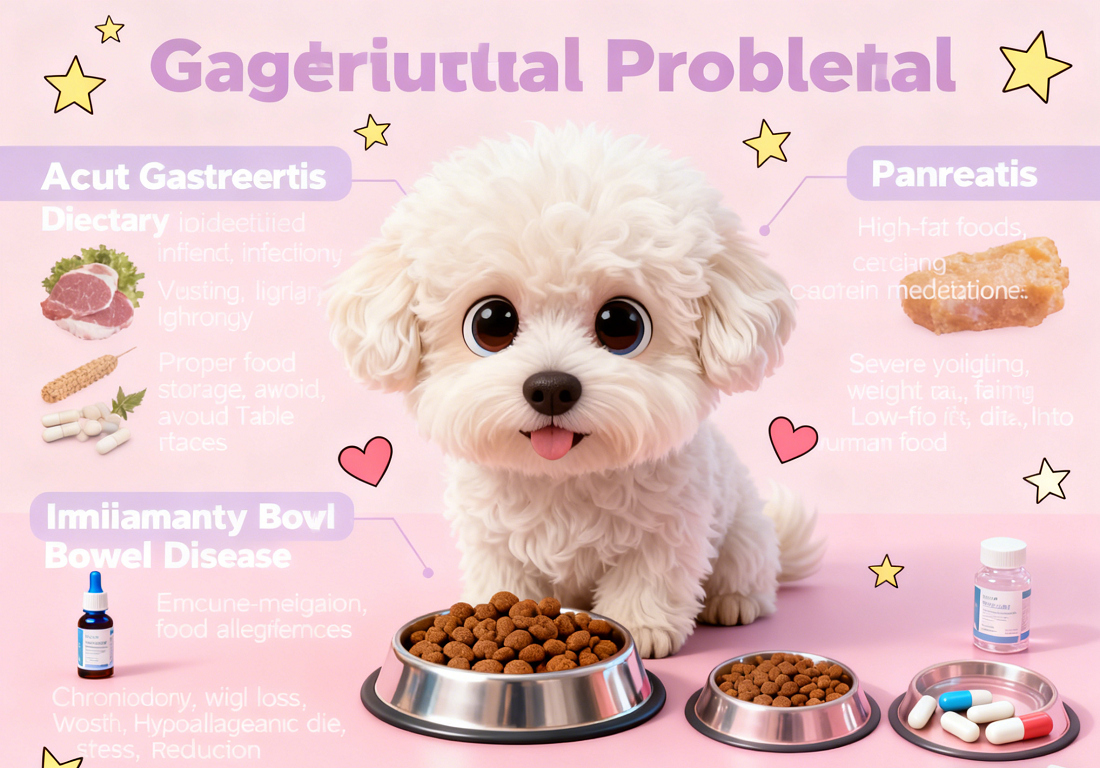
Specialized products support digestive health and prevent GI issues
7. Heart Disease
Common Cardiac Conditions:
Mitral Valve Disease:
- Most common: 75% of canine heart disease cases
- High-risk breeds: Cavalier King Charles Spaniels, Dachshunds, Miniature Poodles
- Prevention: Regular cardiac exams, maintain healthy weight
- Early signs: Coughing (especially at night), exercise intolerance
Dilated Cardiomyopathy:
- Large breed risk: Dobermans, Great Danes, Irish Wolfhounds
- Nutritional factors: Taurine deficiency (in some breeds)
- Prevention: Breed-specific screening, balanced nutrition
- Early detection: Annual vet exams with stethoscope check
Age-Specific Health Concerns
| Life Stage | Common Health Issues | Prevention Focus | Screening Recommendations |
|---|---|---|---|
| Puppy (0-1 year) | Parasites, viral infections, congenital defects | Vaccinations, proper nutrition, socialization | Monthly vet visits, parasite screening |
| Adult (1-7 years) | Dental disease, obesity, allergies, early arthritis | Weight management, dental care, exercise | Annual exams, dental checks, weight monitoring |
| Senior (7+ years) | Arthritis, cancer, organ failure, cognitive decline | Joint supplements, cancer screening, mental stimulation | Bi-annual exams, blood work, urinalysis |
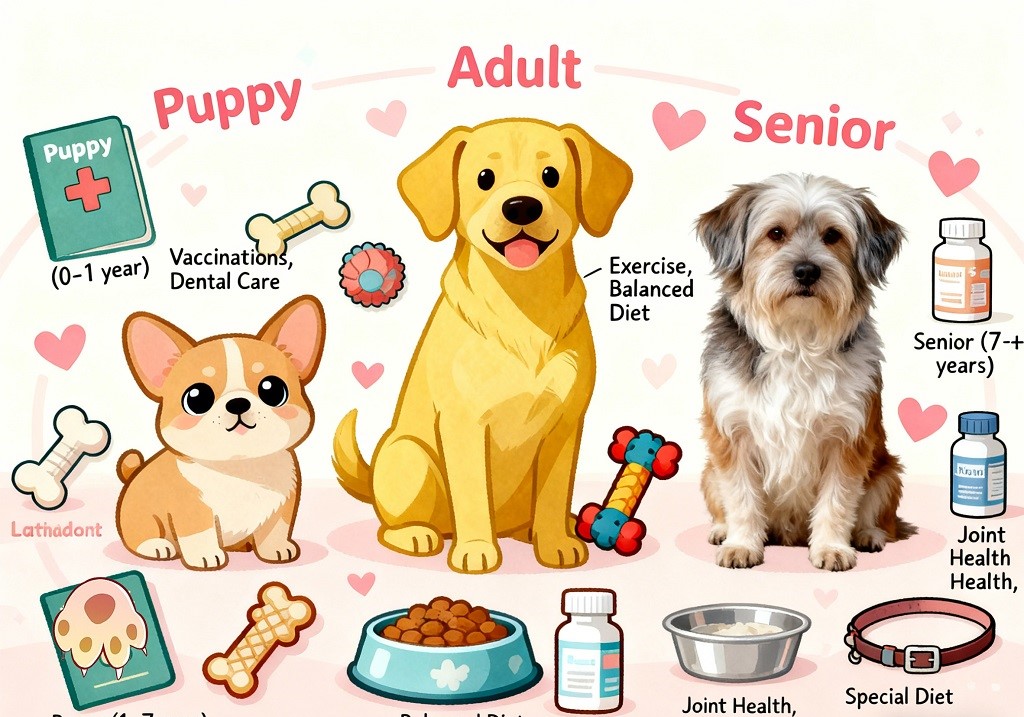
Healthcare needs change significantly throughout a dog's life
Breed-Specific Health Considerations
Large/Giant Breeds:
- Common issues: Hip/elbow dysplasia, bloat, heart disease
- Prevention: Controlled growth, proper exercise, raised feeders
- Screening: OFA hip/elbow certifications, cardiac ultrasound
Small/Toy Breeds:
- Common issues: Dental disease, luxating patellas, tracheal collapse
- Prevention: Dental care, weight management, harness use
- Screening: Dental exams, knee evaluations
Brachycephalic Breeds:
- Common issues: Breathing problems, eye issues, dental crowding
- Prevention: Weight control, avoid overheating, eye care
- Screening: Airway assessment, ophthalmology exams
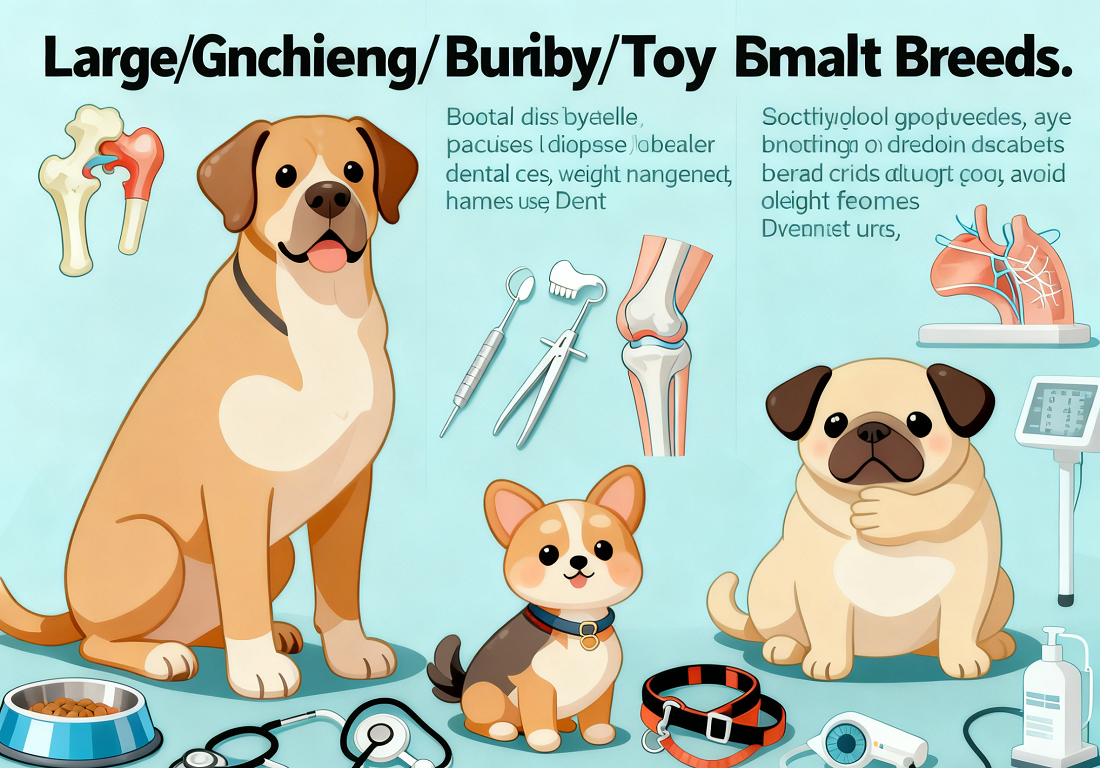
Different breeds have unique health risks requiring specific prevention
The Preventive Healthcare Schedule
Annual Prevention Checklist:
- Veterinary examination: Complete physical exam
- Vaccinations: Core vaccines plus risk-based
- Parasite prevention: Heartworm test, fecal exam
- Dental assessment: Professional cleaning if needed
- Blood work: Complete blood count, chemistry panel
- Urinalysis: Kidney function, diabetes screening
- Weight check: Body condition score assessment
- Nutrition review: Diet evaluation and adjustment
- Behavior assessment: Early detection of cognitive changes
- Preventive medications: Flea/tick/heartworm refills
Comprehensive preventive care maximizes health and longevity
When to Seek Veterinary Care Immediately
"Never hesitate to contact your veterinarian if you're concerned about your dog's health. Early intervention often means better outcomes and lower treatment costs."
— Dr. Sarah Thompson, Emergency and Critical Care Veterinarian
Emergency Warning Signs:
- Difficulty breathing: Rapid, labored, or noisy breathing
- Persistent vomiting/diarrhea: More than 24 hours, or with blood
- Inability to urinate: Straining with no urine production
- Seizures: First-time or cluster seizures
- Trauma: Car accidents, falls, fights with animals
- Ingestion of toxins: Human medications, chocolate, xylitol
- Sudden collapse or weakness: Unable to stand or walk
- Extreme pain: Vocalizing, aggression when touched
- Bloated/distended abdomen: Especially with unproductive retching
- Pale gums: White or blue-tinged gums
Building a Partnership with Your Veterinarian
Questions to Ask Your Vet:
- What preventive care does my dog need based on age/breed?
- What's my dog's ideal weight and body condition?
- What vaccinations are essential vs. optional?
- What screening tests should we consider?
- What are the signs of common breed-specific issues?
- How can I monitor my dog's health at home?
Creating a Health Record:
- Keep all veterinary records organized
- Track weight changes monthly
- Note any behavior or appetite changes
- Record vaccination and medication dates
- Document any allergic reactions
- Keep emergency contacts accessible
Conclusion: Prevention is the Best Medicine
While we can't prevent every health problem, being informed and proactive significantly reduces your dog's risk of many common conditions. Regular veterinary care, proper nutrition, appropriate exercise, and attentive observation form the foundation of preventive healthcare.
Remember that every dog is unique, and their healthcare needs will evolve throughout their life. The most important thing you can do is establish a good relationship with a veterinarian you trust and become an educated advocate for your dog's health. Your attention and care can make all the difference in your dog's quality and length of life.
"The goal of preventive healthcare isn't just to extend your dog's lifespan, but to ensure those years are filled with vitality, comfort, and joy. Your proactive care makes that possible."
About the Author
Dr. Michael Chen is a board-certified veterinary internal medicine specialist with over 20 years of clinical experience. He serves as the medical director of a large veterinary specialty hospital and is a frequent speaker at veterinary conferences on the topics of preventive medicine and chronic disease management in companion animals.
Disclaimer: The information provided here is general educational material and should not be used to self-diagnose or treat your pet without consulting your own veterinarian.