Adoption Process Explained

Understanding each step of the adoption journey leads to successful, lifelong matches between dogs and families
The Complete Step-by-Step Guide to Dog Adoption
Understanding the adoption process is key to a smooth and successful experience. This comprehensive guide breaks down every step, from initial research to bringing your new dog home, including timelines, requirements, costs, and what to expect at each stage of your adoption journey.
"Adoption isn't just a transaction—it's a careful matching process designed to ensure lifelong happiness for both dogs and their new families. Patience during the process pays off in years of companionship."
— Sarah Johnson, Adoption Coordinator with 10+ years experience
The 8-Stage Adoption Timeline: What to Expect

A clear timeline helps manage expectations and prepare for each phase of the adoption journey
| Stage | Typical Duration | Key Activities | Requirements | Tips for Success |
|---|---|---|---|---|
| 1. Research & Preparation | 1-4 weeks | Research shelters, assess lifestyle, prepare home | Honest self-assessment, budget planning | Visit multiple shelters, be open to different dogs |
| 2. Application Submission | 1-7 days processing | Complete forms, provide references, initial screening | Valid ID, proof of residence, references | Be thorough and honest, notify your references |
| 3. Interview & Screening | 30-90 minutes | Phone or in-person interview, discuss expectations | Availability for interview, knowledge about dog care | Prepare questions, be ready to discuss your experience |
| 4. Home Visit/Check | 30-60 minutes | Home safety assessment, environment evaluation | Safe home environment, willingness to make changes | Don't over-clean, be ready to show your preparation |
| 5. Meet & Greet | 1-2 hours | Meet potential dogs, interaction assessment | All household members present, current pets if needed | Stay calm, observe interactions, ask detailed questions |
| 6. Adoption Decision | 24 hours - 1 week | Rescue/shelter makes final decision, possible trial period | Patience, flexibility, acceptance of decision | Trust their expertise if declined for a specific dog |
| 7. Paperwork & Payment | 1-2 hours | Sign contract, pay fees, receive medical records | Payment method, time to review documents | Read everything carefully, ask about unclear terms |
| 8. Going Home & Follow-up | First 30 days critical | Transition period, follow-up checks, support access | Commitment to adjustment period, openness to support | Use offered resources, be patient during adjustment |
Understanding Adoption Applications: What They Ask and Why
Common Application Sections:
Personal & Household Information:
- Purpose: Ensure stable living situation
- Typical questions: Ages of household members, other pets, housing type
- Why they ask: Match dog to appropriate home environment
- Red flags for shelters: Frequent moves, unstable housing
- Best answers: Honest, detailed, demonstrate stability
Experience & Lifestyle:
- Purpose: Match dog to owner's experience level
- Typical questions: Previous pet experience, daily routine, activity level
- Why they ask: Prevent mismatches that lead to returns
- Red flags for shelters: Unrealistic expectations, lack of research
- Best answers: Show self-awareness, realistic expectations
Veterinary Care & Financial Preparedness:
- Purpose: Ensure ability to provide proper care
- Typical questions: Current vet info, emergency plan, budget
- Why they ask: Prevent neglect due to financial constraints
- Red flags for shelters: No vet relationship, unaware of costs
- Best answers: Show planning, research on costs, emergency fund
References & Background Check:
- Purpose: Verify character and reliability
- Typical questions: Personal references, vet references, sometimes landlord
- Why they ask: Additional verification of responsible ownership
- Red flags for shelters: Unavailable references, negative vet reports
- Best answers: Provide diverse references, notify them in advance
Adoption Fees: What They Cover and Why They Vary
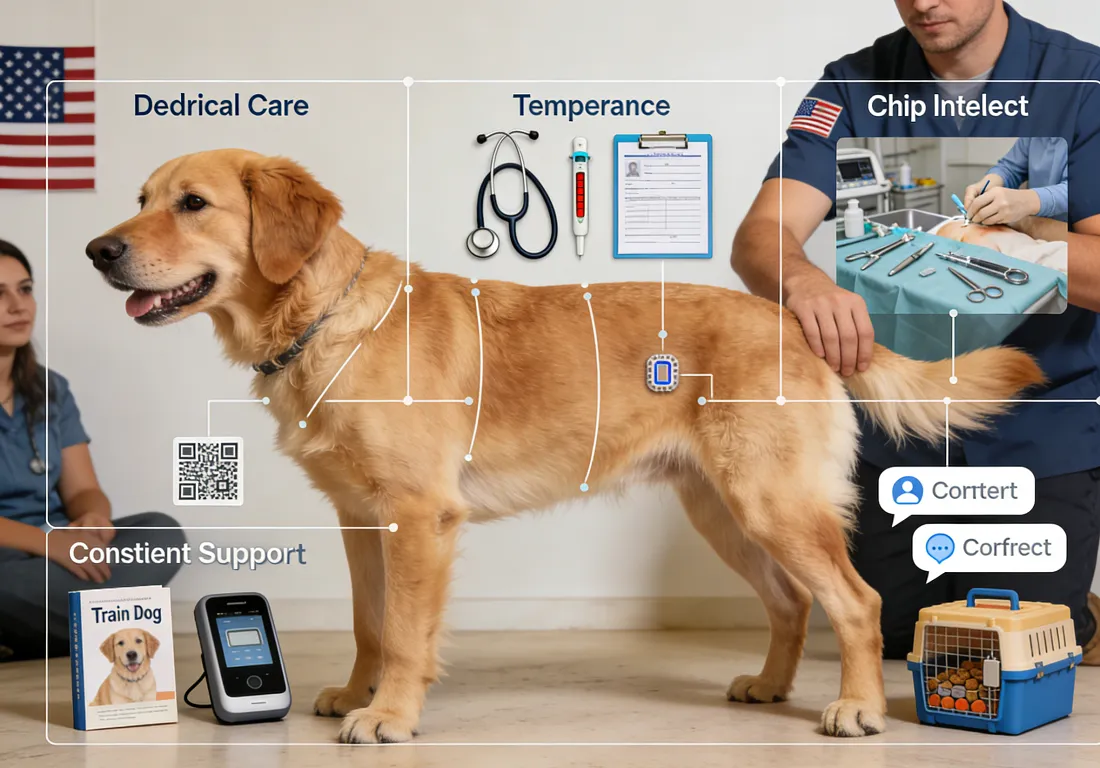
Adoption fees represent investments in the dog's health and the rescue's ability to save more lives
| Type of Organization | Typical Fee Range | What's Usually Included | Additional Costs to Expect | Financial Assistance Options |
|---|---|---|---|---|
| Municipal Shelters (Animal Control) |
$50 - $150 | Basic vaccines, spay/neuter, microchip, license | Additional vet care, supplies, training classes | Sometimes waived fees for seniors/veterans, special promotions |
| Private Rescue Groups | $200 - $500 | Full vetting, spay/neuter, microchip, often heartworm/flea prevention | Supplies, training, follow-up care | Senior/special needs discounts, payment plans occasionally |
| Breed-Specific Rescues | $300 - $600 | Comprehensive vet care, breed-specific testing, rehabilitation | Breed-specific supplies, possible ongoing medical needs | Usually fewer discounts due to higher medical costs |
| Foster-Based Organizations | $250 - $450 | Vet care, behavioral assessment, foster care costs | Transition supplies, initial food/treats | Occasional foster-to-adopt programs with reduced fees |
| Special Cases (Senior/Medical Needs) |
$0 - $200 | Varies widely, sometimes subsidized medical care | Ongoing medical treatment, special equipment | Often significantly reduced or waived for special needs |
The Home Visit: Purpose and Preparation
What They're Looking For:
- Safety hazards: Unsecured chemicals, toxic plants, escape routes
- Appropriate space: Not necessarily large, but suitable for dog size
- General home maintenance: Clean, safe, well-maintained environment
- Family dynamics: How household members interact, readiness
- Understanding of responsibilities: Demonstrated through preparation
How to Prepare:
- Basic safety: Secure chemicals, medications, small objects
- Designated areas: Show where dog will eat, sleep, play
- Supplies ready: Have basic supplies visible but not necessarily unpacked
- Questions prepared: Show engagement and thoughtfulness
- Relax and be yourself: They want to see real living conditions
Common Concerns and Solutions:
- No fence/yard: Demonstrate walking plan, nearby parks
- Small living space: Show exercise plan, nearby green spaces
- Other pets: Discuss introduction plan, separate spaces
- Work schedule: Show dog walker/daycare research, camera setup
- Children: Demonstrate child education, supervision plan
What NOT to Do:
- Don't hide potential issues (they'll likely be discovered)
- Don't over-clean to point of being unrealistic
- Don't make promises you can't keep
- Don't pressure for immediate approval
- Don't get defensive about suggestions
Meet & Greet: Making the Most of Your First Meeting
| Meeting Type | What to Expect | What to Look For | Questions to Ask | Red Flags |
|---|---|---|---|---|
| Shelter Environment | Meeting in kennel/meeting room, may be stressed | Recovery from initial stress, response to gentle interaction | How long has dog been here? Any behavioral notes? | Extreme fear that doesn't ease, aggression without provocation |
| Foster Home Visit | Dog in home setting, more natural behavior | True personality, household manners, routine behaviors | Daily routine? Favorite activities? Known triggers? | Major behavior issues foster hasn't mentioned |
| Neutral Territory | Park or outdoor meeting, less territorial behavior | Leash manners, response to environment, social behavior | How do they react to other dogs/people here? | Extreme reactivity, inability to focus on handler |
| With Current Pets | Carefully managed introduction, separate handlers | Body language between animals, appropriate interaction | Has dog lived with other animals before? | Staring, stiffening, growling, excessive fear |
| Family Meeting | All household members interact individually and together | Different reactions to different people, comfort with children | How do they respond to men/women/children differently? | Fear/aggression toward specific family members |
Adoption Contracts: Understanding Your Commitments
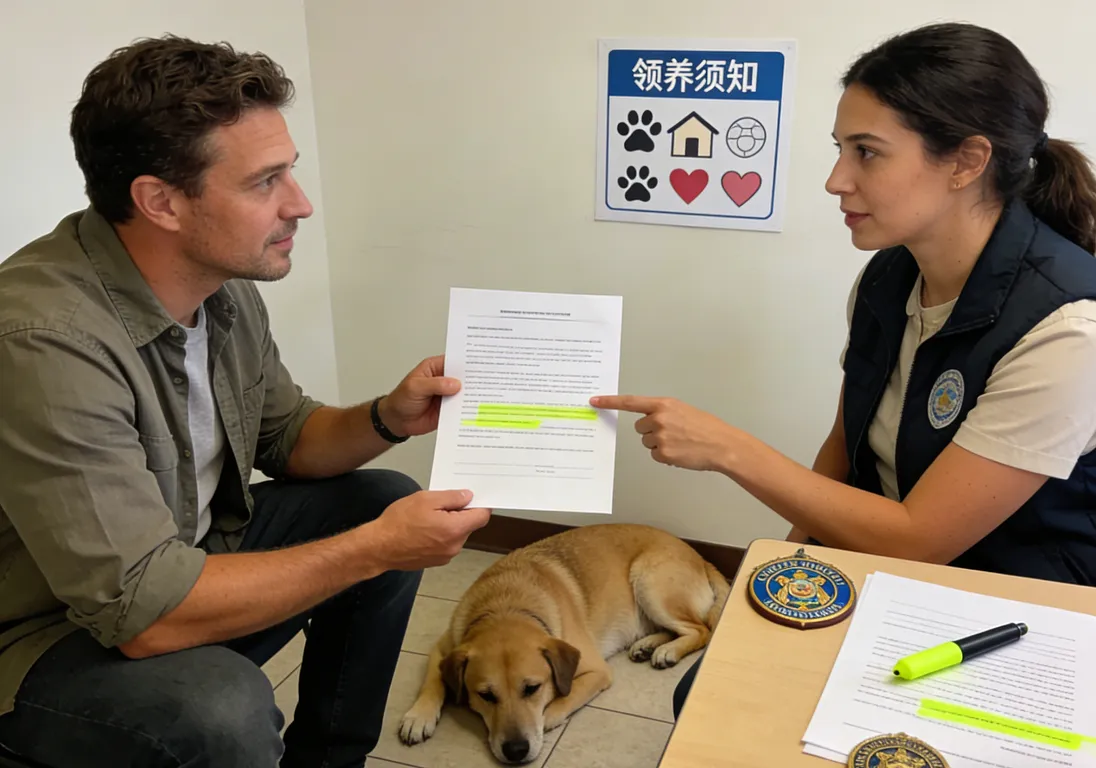
Thoroughly understanding adoption contracts ensures you're prepared for the responsibilities of pet ownership
Common Contract Provisions:
Care Requirements:
- Veterinary care: Annual exams, vaccinations, emergency care
- Identification: Keep microchip updated, collar tags current
- Proper containment: Fencing, leash laws, no chaining
- Humane treatment: No abuse, proper shelter, adequate exercise
- Return policy: Must return to rescue if cannot keep
Legal & Financial:
- Ownership transfer: When full ownership transfers (sometimes after trial)
- Follow-up rights: Rescue may check on dog periodically
- Transfer restrictions: Cannot give/sell dog to others
- Fee breakdown: What adoption fee covers
- Liability waivers: Understanding of risks with rescue dogs
Questions to Ask Before Signing:
- What is the return policy timeframe and process?
- What support is provided after adoption?
- Are there any breed or activity restrictions?
- What happens if I need to rehome the dog later?
- What medical conditions are known/disclosed?
- Is there a trial period? What are the terms?
- What behavioral issues are known?
- What follow-up contact should I expect?
- What isn't covered that I should know about?
- Who do I contact for questions or emergencies?
Post-Adoption Support: What Rescues Typically Offer
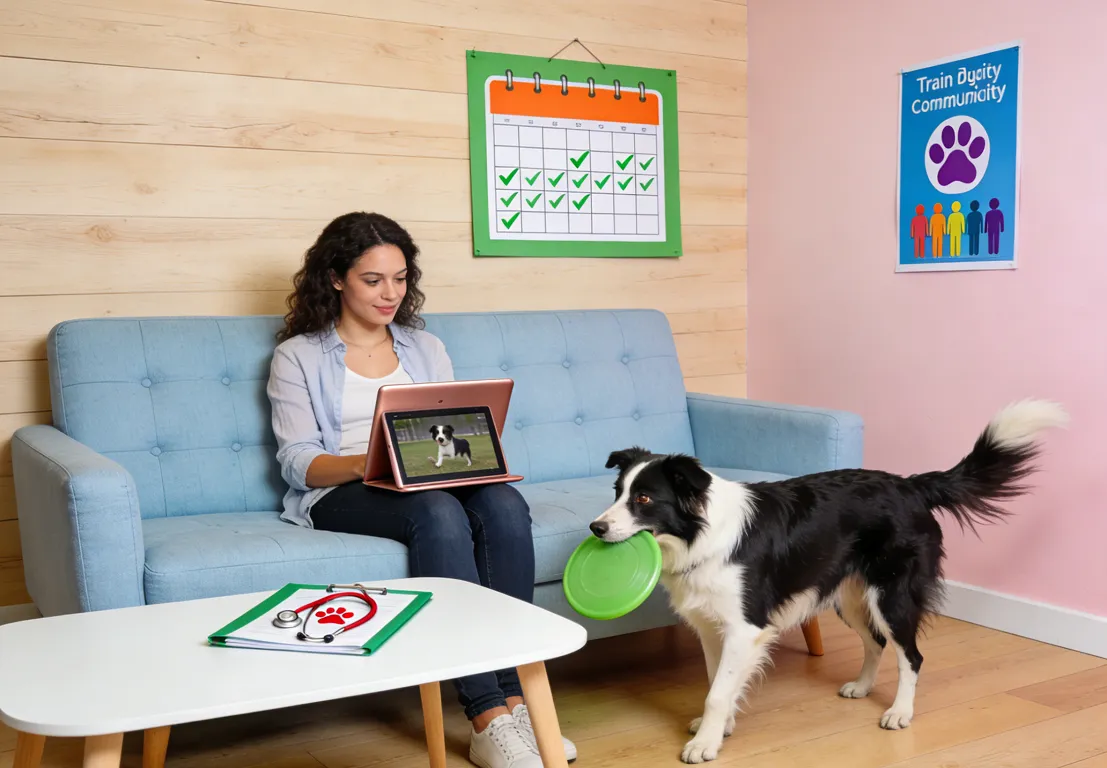
Comprehensive post-adoption support ensures new owners have resources for a successful transition
| Support Type | Typical Offering | Duration | How to Access | Making the Most of It |
|---|---|---|---|---|
| Behavioral Support | Training advice, behaviorist referrals, troubleshooting | 30 days to lifetime | Phone/email hotline, scheduled check-ins | Contact early with concerns, not after problems escalate |
| Medical Support | Follow-up care access, vet referrals, sometimes discounted services | 14-30 days typically | Through partner vets, with authorization | Schedule post-adoption vet visit within first week |
| Community Support | Adopter networks, social media groups, events | Ongoing | Invitations to events, online groups | Join groups, share experiences, learn from others |
| Resource Access | Training materials, recommended products, local service referrals | Ongoing | Website resources, email newsletters | Review materials before adoption, keep for reference |
| Crisis Support | Temporary fostering, emergency boarding, financial assistance sometimes | Case by case | Direct contact, often limited availability | Contact immediately in true emergencies, have backup plans |
Common Reasons Applications Are Denied and How to Avoid Them
Application Issues:
- Incomplete information: Missing references, unanswered questions
- Inconsistent answers: Different information at different stages
- Unrealistic expectations: Wanting perfect dog with no issues
- Lack of preparation: No vet relationship, no supplies, no research
- Poor references: References unavailable or give negative feedback
Home/Lifestyle Issues:
- Safety concerns: Unsecured hazards, inadequate fencing
- Time constraints: Long work hours without dog care plan
- Mismatched energy: Sedentary person wanting high-energy dog
- Family not ready: Children too young, partner not committed
- Breed restrictions: Housing restrictions not addressed
How to Improve Your Chances:
- Be thorough and honest on applications
- Research breeds and realistic expectations
- Prepare your home before applying
- Establish vet relationship in advance
- Be open to different dogs than you initially pictured
If Denied:
- Ask for specific feedback (politely)
- Address concerns before applying elsewhere
- Consider different types of dogs or organizations
- Volunteer to gain experience and references
- Don't take it personally - it's about finding right match
The First 30 Days: Post-Adoption Timeline and Expectations
Week 1: Adjustment & Observation
- Quiet environment, limited visitors
- Establish routine for feeding, potty, walks
- Vet visit within first 3 days
- Begin basic training in short sessions
- Watch for stress signals, allow decompression
Weeks 2-3: Routine Establishment
- Solidify daily schedule
- Begin addressing any behavior issues
- Gradual exposure to new experiences
- Build trust through consistency
- First grooming/vet follow-up if needed
Week 4: Integration & Assessment
- True personality emerging
- Evaluate training progress
- Address any remaining concerns
- Consider formal training classes
- Celebrate one-month milestone
Conclusion: Your Journey to Responsible Adoption
The adoption process, while sometimes lengthy and detailed, is designed to create successful, lifelong matches between dogs and families. Each step serves an important purpose in ensuring that dogs go to homes where they will be safe, loved, and properly cared for throughout their lives.
Approach the process with patience, honesty, and openness. Remember that rescue organizations have the dogs' best interests at heart, and their thoroughness reflects their commitment to preventing returns and ensuring happy endings. The time and effort you invest in navigating the adoption process thoughtfully will be rewarded with a companion who brings joy to your life for years to come.
"A thorough adoption process isn't a barrier—it's the foundation for a successful partnership. Each step builds toward a relationship that will last a lifetime."
About the Author
Michael Thompson has worked in animal welfare for 15 years, serving as adoption counselor, shelter manager, and now as director of a large metropolitan animal rescue. He has processed over 5,000 adoptions and trains adoption staff nationwide on best practices in matching and process management.