Embracing the Extraordinary: A Guide to Special Needs Dog Adoption
Adopting a dog with special needs is one of the most rewarding and compassionate choices a pet lover can make. These incredible animals have so much love to give and teach us invaluable lessons about resilience, adaptation, and unconditional love. This comprehensive guide covers everything you need to know about welcoming a special needs dog into your home.
"Special needs dogs aren't broken - they're just differently abled. They don't see their limitations, they simply find new ways to experience joy."
— Dr. Sarah Johnson, Veterinary Rehabilitation SpecialistUnderstanding Different Types of Special Needs

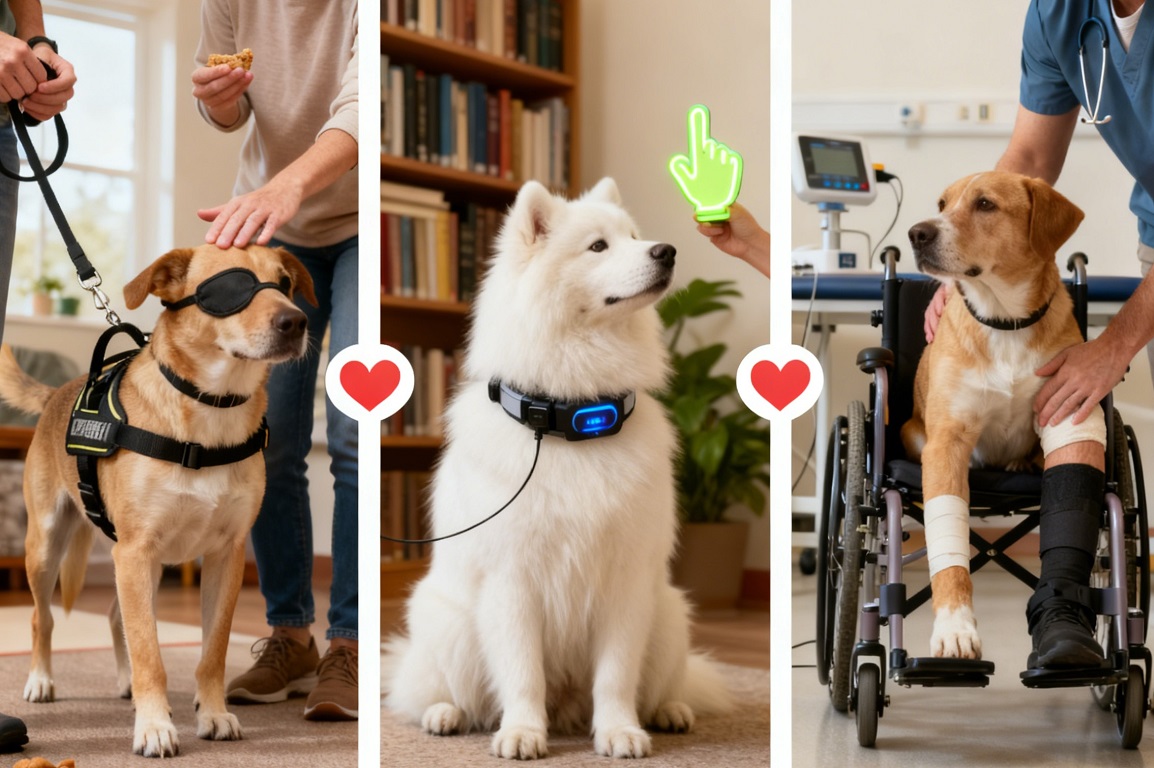
Each type of special need requires different adaptations but all dogs can thrive with proper care
| Special Need Type | Common Conditions | Daily Care Requirements | Adaptation Needed |
|---|---|---|---|
| Mobility Challenges | Paralysis, amputations, arthritis, hip dysplasia | Assistance with movement, physical therapy, medication | Ramps, non-slip surfaces, mobility aids |
| Sensory Disabilities | Blindness, deafness, limited vision/hearing | Environmental modifications, alternative communication | Consistent routines, scent markers, hand signals |
| Chronic Medical Conditions | Diabetes, epilepsy, heart disease, kidney issues | Medication administration, regular monitoring, special diets | Medical schedule, emergency preparedness |
| Cognitive/Behavioral | Anxiety, PTSD, dementia, neurological disorders | Behavioral management, mental stimulation, medication | Structured environment, patience, positive reinforcement |
| Age-Related Needs | Senior dogs with multiple health issues | Comprehensive geriatric care, comfort measures | Accessibility modifications, palliative care |
The Unique Rewards of Special Needs Adoption
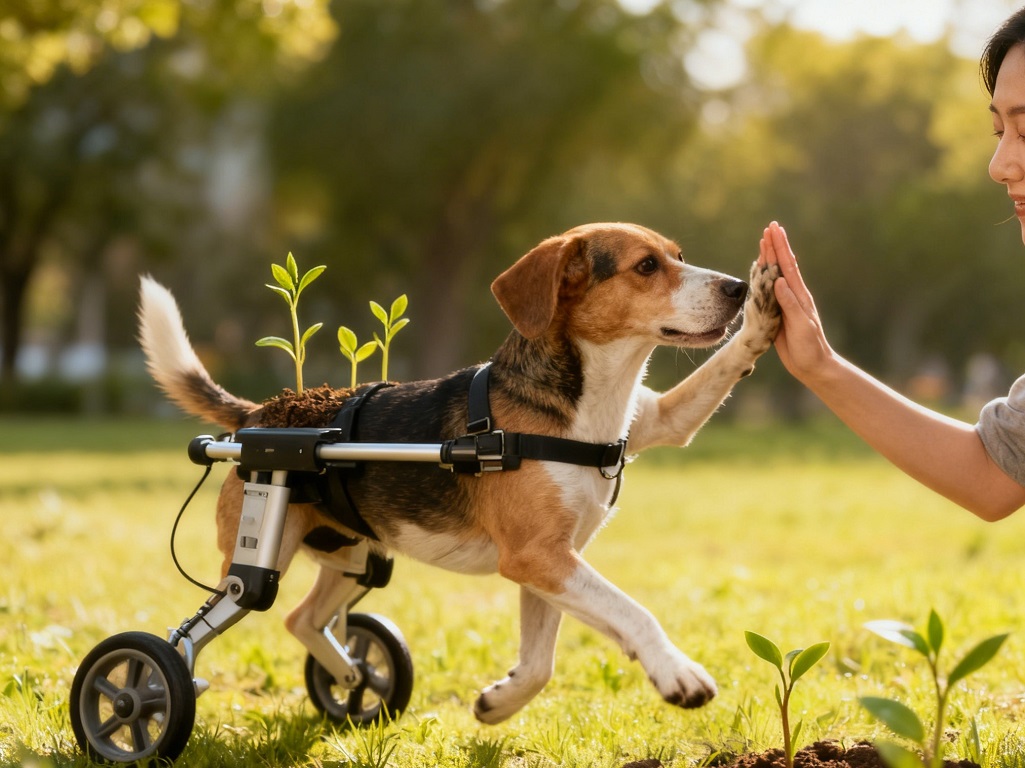
The bond formed through caring for a special needs dog is uniquely deep and rewarding
Why Special Needs Dogs Make Incredible Companions:
- Deep Bonding: The care you provide creates an extraordinary connection
- Gratitude and Resilience: These dogs often show remarkable appreciation
- Teaching Moments: Great for families to learn empathy and compassion
- Lower Expectations: You celebrate every small achievement
- Unique Personalities: Their challenges often shape wonderful characters
- Making a Difference: You're literally saving a life that others might overlook
- Community: Connect with other special needs pet owners for support
Assessing Your Readiness: Key Questions to Ask Yourself
Lifestyle Considerations:
- Do you have time for extra care and medical needs?
- Is your home layout suitable for mobility challenges?
- Are you financially prepared for potential medical expenses?
- Does your work schedule allow for medication schedules?
- Are other household members supportive and involved?
- Do you have emergency support if you need to travel?
- Is your current pet (if any) likely to be accepting?
Personal Attributes Needed:
- Patience for slower learning and adaptation
- Flexibility to adjust routines as needed
- Observation skills to notice subtle changes
- Commitment to lifelong care and adaptation
- Emotional resilience for difficult moments
- Advocacy skills for veterinary care
- Creativity in problem-solving challenges
Financial Considerations and Budget Planning
| Expense Category | Estimated Monthly Cost | One-Time Costs | Ways to Manage Costs |
|---|---|---|---|
| Medications | $50-$300+ | N/A | Generic options, pharmacy discounts, manufacturer programs |
| Specialized Food | $80-$200 | N/A | Prescription diets, bulk purchasing, subscription discounts |
| Mobility Aids | $20-$100 (maintenance) | $200-$800 (initial) | Secondhand equipment, DIY solutions, rescue organization support |
| Physical Therapy | $100-$400 | Initial assessment: $150-$300 | Learn techniques for home care, insurance coverage |
| Regular Vet Care | $100-$300 | Initial workup: $300-$600 | Wellness plans, preventive care to avoid emergencies |
| Emergency Fund | Contribution: $50-$200 | $1,000-$5,000 recommended | Pet insurance, CareCredit, savings specifically for pet |
Home Preparation for Different Special Needs
Mobility-Impaired Dogs:
Modern mobility aids allow dogs with physical limitations to move freely and comfortably
Home Modifications:
- Non-Slip Flooring: Area rugs with rubber backing, yoga mats
- Ramps: For furniture, stairs, vehicle access
- Accessible Water/Food: Raised bowls, no-spill containers
- Rest Areas: Multiple comfortable beds on each floor
- Potty Solutions: Indoor grass patches, washable pee pads
- Safety Gates: To block unsafe areas like stairs
- Assistive Devices: Harnesses with handles, dog wheelchairs
Blind or Visually Impaired Dogs:
Dogs with sensory disabilities adapt remarkably well to consistent environments
Environmental Consistency:
- Keep furniture in same positions
- Use scent markers (vanilla extract on corners)
- Create clear pathways through rooms
- Use textured floor markers for boundaries
- Block access to pools, stairs, drop-offs
- Use verbal cues before touching
- Consider halo harness for obstacle detection
Communication Adaptations:
- Use consistent verbal cues
- Develop clicker training with sound only
- Create scent trails for navigation
- Use textured mats to mark important areas
- Consider sound-making toys
- Teach "watch" command for attention
- Use wind chimes or bells on doors
Deaf or Hearing-Impaired Dogs:
Visual Communication Systems:
- Hand Signals: Consistent gestures for all commands
- Vibration Collars: For attention (not shock collars)
- Flash Lights: To signal from distance
- Stomp Vibrations: On floor to get attention
- Visual Cues: Turn lights on/off for attention
- Safety Measures: Always leash outside, secure fencing
- Approach Protocol: Always approach in dog's line of sight
Daily Care Routines and Management
Consistent daily care routines ensure special needs dogs live comfortable, happy lives
| Care Task | Frequency | Special Considerations | Tips for Success |
|---|---|---|---|
| Medication Administration | Daily or multiple times daily | Timing, food interactions, storage | Use pill pockets, set phone alarms, maintain log |
| Mobility Assistance | As needed, multiple times daily | Proper lifting technique, equipment maintenance | Learn from physical therapist, use assistive harnesses |
| Physical Therapy | Daily or as prescribed | Proper technique, gradual progression | Make it part of routine, keep sessions short and positive |
| Skin/Coat Care | Daily for immobile dogs | Pressure sores, hygiene, grooming | Regular position changes, specialized bedding, frequent checks |
| Bladder/Bowel Care | Multiple times daily | Incontinence management, expressing bladder | Establish schedule, use belly bands/diapers, keep area clean |
Finding the Right Special Needs Dog for You
Where to Find Special Needs Dogs:
- Specialized Rescues: Organizations focusing on specific disabilities
- General Shelters: Ask about dogs with special needs
- Breed-Specific Rescues: Often have seniors or dogs with breed-specific issues
- Foster-Based Organizations: Dogs already in home environments
- Veterinary Hospitals: Sometimes have adoption programs
- Online Platforms: Petfinder.com with special needs filters
Questions to Ask the Rescue:
- What is the complete medical history?
- What are the current care requirements?
- What is the estimated lifespan prognosis?
- What medications/treatments are needed?
- What has been their response to current care?
- Are there behavior issues related to the disability?
- What support does the rescue provide post-adoption?
Transitioning Your Special Needs Dog Home
The First Week: Setting Up for Success
- Pre-arrival Preparation: Complete all home modifications
- Veterinary Partnership: Schedule vet visit within first week
- Quiet Introduction: Limit visitors, keep environment calm
- Consistent Routine: Establish predictable schedule immediately
- Observation Period: Learn their signals and preferences
- Bonding Time: Gentle interaction, respect their space
- Medical Management: Set up medication system from day one
Building a Support Network
| Support Type | Who/What | How They Can Help | Finding Resources |
|---|---|---|---|
| Medical Team | Veterinarian, specialist, physical therapist | Medical care, treatment plans, emergency support | Referrals, veterinary schools, specialist directories |
| Community Support | Other special needs pet owners | Emotional support, practical advice, equipment sharing | Online forums, local support groups, social media groups |
| Professional Services | Pet sitters, dog walkers, groomers | Respite care, specialized grooming, exercise assistance | Special needs pet service directories, trainer referrals |
| Financial Assistance | Non-profits, grants, fundraising | Medical cost assistance, equipment loans, emergency funds | Breed-specific foundations, veterinary financial aid programs |
Quality of Life Assessment and End-of-Life Considerations
Quality of Life Indicators:
- Hurt: Adequate pain control, breathing easily
- Hunger: Eating and drinking with enjoyment
- Hygiene: Ability to stay clean, manageable incontinence
- Happiness: Shows interest in favorite activities
- Mobility: Ability to move around comfortably
- More Good Days Than Bad: Track daily quality scores
Planning Ahead:
- Discuss quality of life with your veterinarian regularly
- Create a hospice care plan if needed
- Know your options for at-home euthanasia
- Consider pet loss support resources
- Make memorial arrangements in advance if desired
Special Needs Adoption Success Stories
"They don't see disabilities - they see possibilities"
Maggie's Story:
"Maggie was a three-legged senior dog with diabetes. She taught our family about resilience and living in the moment. Her twice-daily insulin shots became bonding time, and she lived three happy years showing us that age and disability don't define joy."
Rex's Journey:
"Rex was paralyzed from the waist down when we adopted him. With a custom wheelchair and physical therapy, he learned to run again. He's now a therapy dog who visits children's hospitals, showing kids that different doesn't mean less."
Final Checklist Before Adopting
Pre-Adoption Preparation:
- ✓ Research specific disability and care requirements
- ✓ Complete necessary home modifications
- ✓ Establish relationship with knowledgeable veterinarian
- ✓ Create budget and emergency fund
- ✓ Arrange support system (family, friends, professionals)
- ✓ Gather necessary supplies and equipment
- ✓ Prepare for emotional challenges and rewards
- ✓ Consider pet insurance or care credit options
- ✓ Plan for work schedule adjustments if needed
- ✓ Prepare your heart for an extraordinary journey
Conclusion: The Extraordinary Gift of Special Needs Adoption
Adopting a dog with special needs isn't about being a hero - it's about opening your heart to a different kind of companionship. These dogs don't ask for pity; they ask for a chance. They'll show you strength you never knew existed, patience you didn't know you had, and love that transcends physical limitations.
The journey will have challenges, but the rewards are immeasurable. You're not just giving a home to a dog in need; you're welcoming a teacher, a companion, and a living example of resilience into your life. The love you'll receive in return will change you in ways you can't yet imagine.
"Special needs dogs don't see their disabilities as limitations - they see them as part of their unique story. When you adopt one, you become part of that story, and together you write chapters of resilience, adaptation, and unconditional love."
About the Author
David Chen has been a special needs dog foster and advocate for over 10 years. He has personally cared for more than 30 dogs with various disabilities and chronic conditions, and he runs a non-profit organization that provides resources and support to families who adopt special needs pets.